Douglas Skelton and the strands linking his fiction
Four different series.
Plus one standalone (that wasn’t meant to be a standalone, but that’s another story).
That’s my writing output since I left the world of non-fiction behind me to concentrate on fiction.
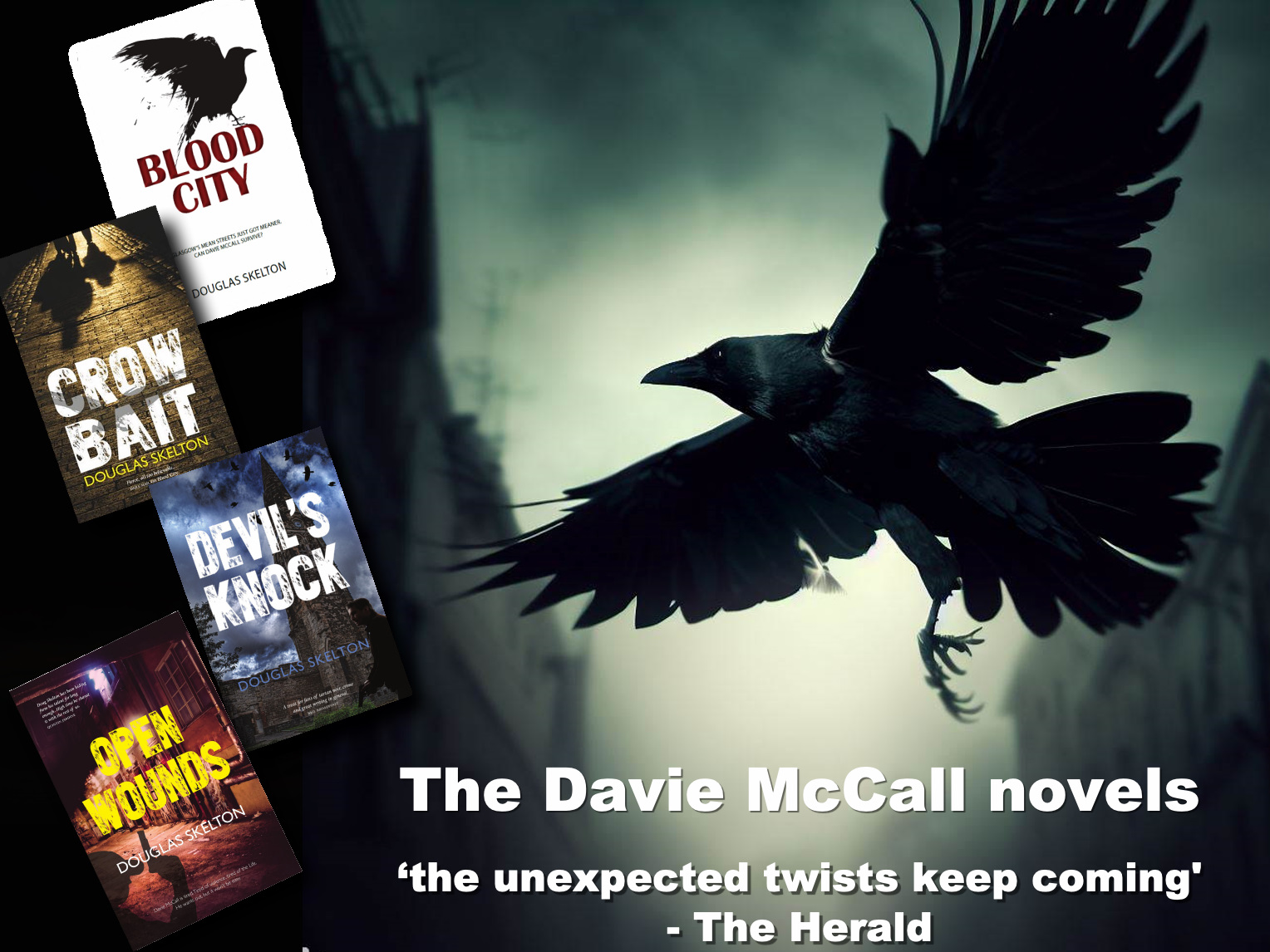
Davie McCall – four book series set in Glasgow’s underworld.
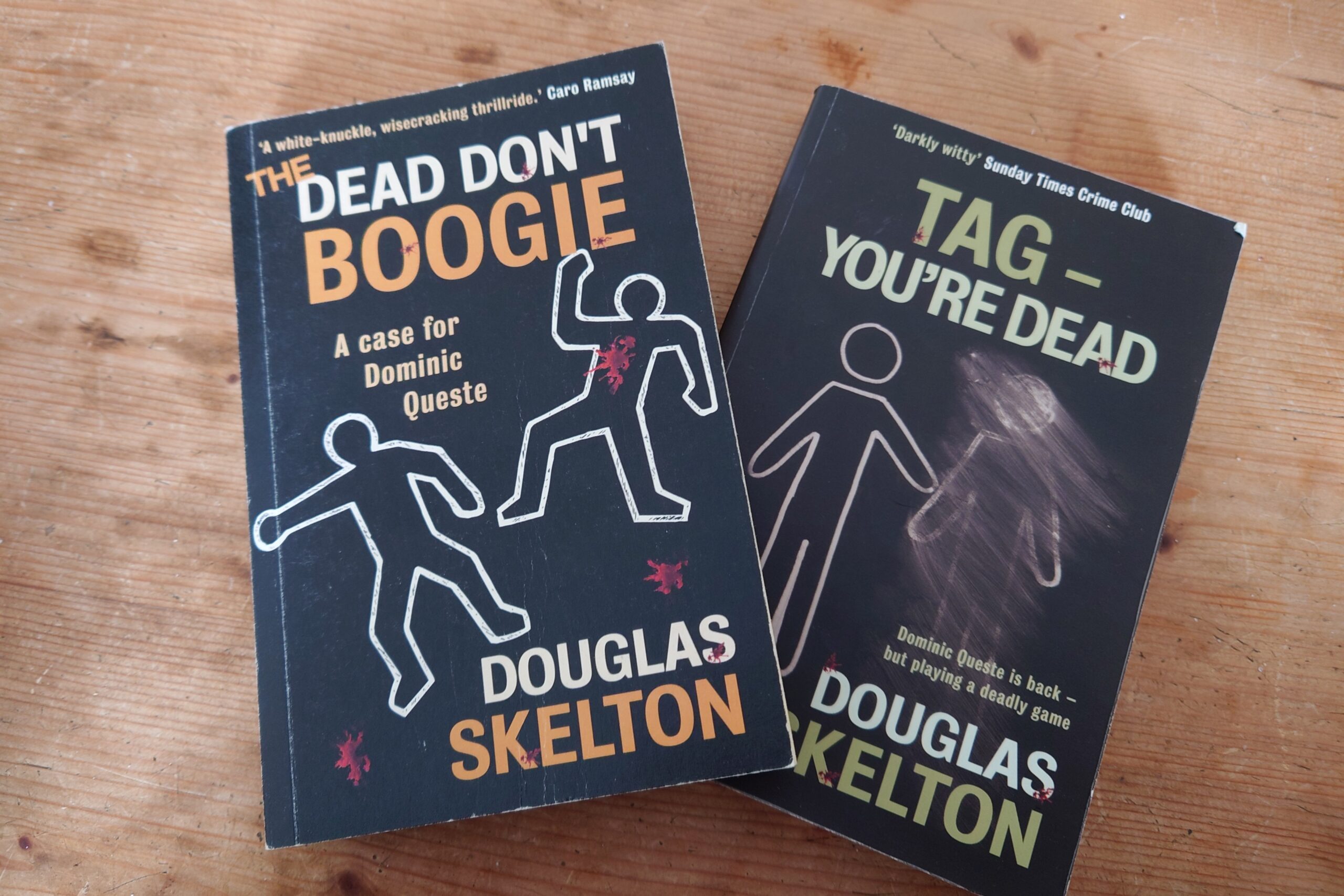
Dominic Queste – Two books, plus a couple of short stories, about (sort of) private eye, movie buff and smart arse that were much lighter in tone.
The Janus Run – that standalone that wasn’t meant to be a standalone but did turn out to be a standalone. A New York conspiracy chase thriller that was my tribute to the action and thriller movies of the 1970s and 80s.
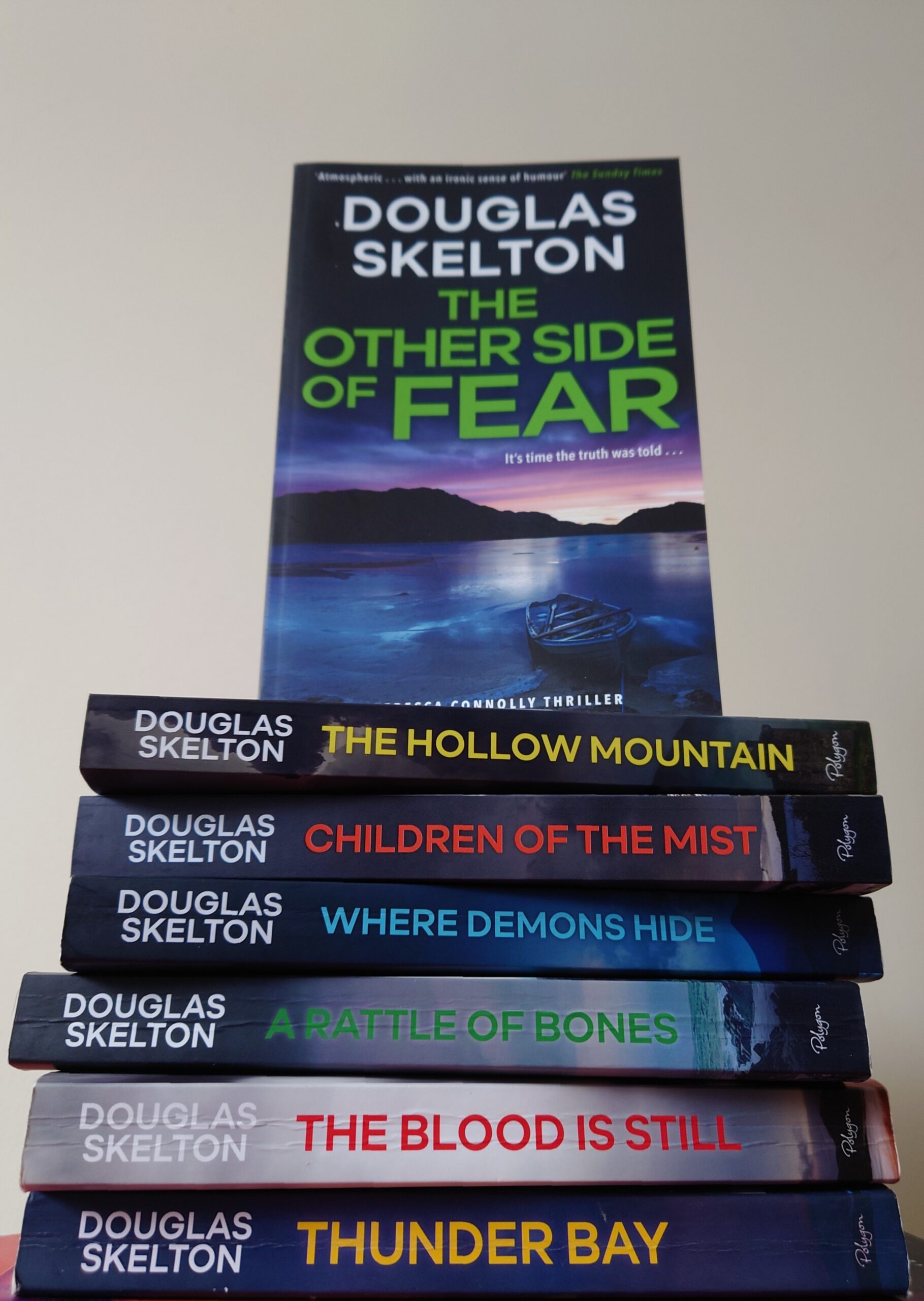
Rebecca Connolly – Slowing the pace with seven lyrical thrillers set (mostly) in the Highlands and Islands.
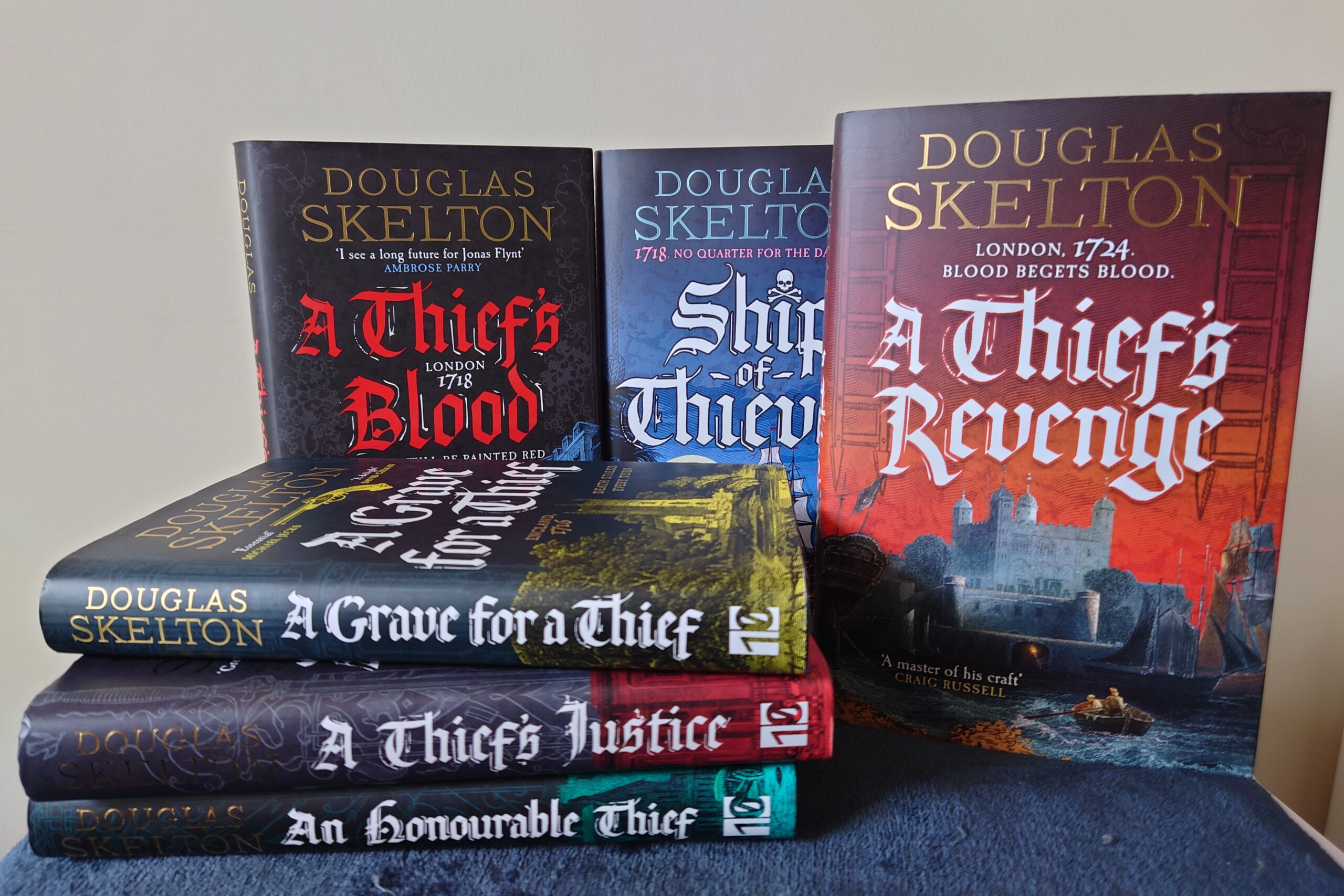
Jonas Flynt – Six historical thrillers featuring Jonas Flynt, thief, spy, gambler, killer and man of honour.
A few of you might already know all this, having been by my side throughout the anguish, disappointment, rage and occasional triumph that are the constant companions of authors in this crazy business we call publishing.
What you may not know is that, despite these books all being different approaches, set in different locations and even time periods, they are all linked.
Characters from the Davie McCall books appear in some of the Rebecca Connolly stories. Even Davie himself shows up briefly in The Blood is Still. Although unnamed, he is the guy with the dog in the Inverness bar who warns Rebecca about the man she is with, telling her he will bring her heartache.
That appearance should clear up any mystery concerning the ending of the fourth in the Davie McCall series, Open Wounds.
DCI Val Roach appeared in the second Queste novel Tag – You’re Dead. She then joined the ensemble of characters in The Blood Is Still and remained with the Rebecca Connolly series until the end.
But it was the first Dominic Queste novel, The Dead Don’t Boogie, that introduced a shadowy group that haunts every book since.
In that book the Excelsis Corporation is the big bad behind all sorts of mayhem. Although not named, another multi-national entity fulfils a similar function. In the Rebecca Connolly series that group sits in the background, manipulating events to their benefit. In Where Demons Hide we learn it was formed in Scotland by a former Knight Templar who escaped the slaughter of his order in France with his fortune intact.
In the first Jonas Flynt novel, An Honourable Thief, we are introduced to the Brotherhood, a secret society of powerful men that has existed from the day Jerusalem Mordicant, that Knight Templar, established it. They control politicians, crooks and businesses in order steer history to their benefit. It is that group who sit behind events in the Rebecca Connolly books and to Dominic Queste as Excelsis.
Four different series.
One standalone (that was never meant to be a standalone).
If you know me, you’ll know that I’m a big fan of the movies/films/cinema/flicks, call them what you will.
I have been for as long as I can remember. Black and white, colour, mono, stereo, Dolby, even some silent comedy, I don’t care what they are, I enjoy them. I’ve never taken to 3-D, though.
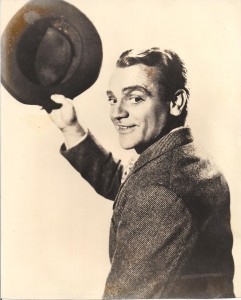
As a child, thanks to telly when they used to show such fare regularly, I was introduced to James Cagney and Humphrey Bogart and John Wayne and Errol Flynn. I was a Glasgow boy so it was the two-fisted stars I was drawn to. Later I learned to appreciate other kind of films – romance, musical, comedy, horror – but back then if a western or gangster or a sword-fishing picture was on, you’d find me sitting there and watching with rapt attention.
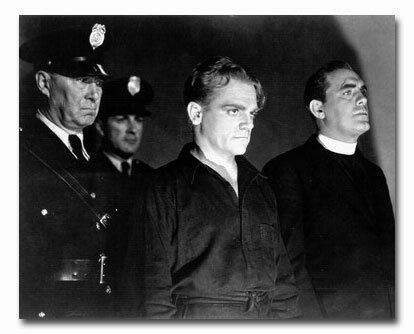
I can never forget Cagney’s final scene in ‘Angels With Dirty Faces’ as he is being led to the electric chair, at first defiant, then craven. Did his tough little mobster really show yellow, or was it in response to a plea by his best friend – a priest, no less, in the shape of Pat O’Brien – to not let the young men who idolised him be further impressed by bravery?
Likewise his death scene in ‘The Roaring Twenties’, on snow-covered church steps. He used to be a big shot but not anymore.
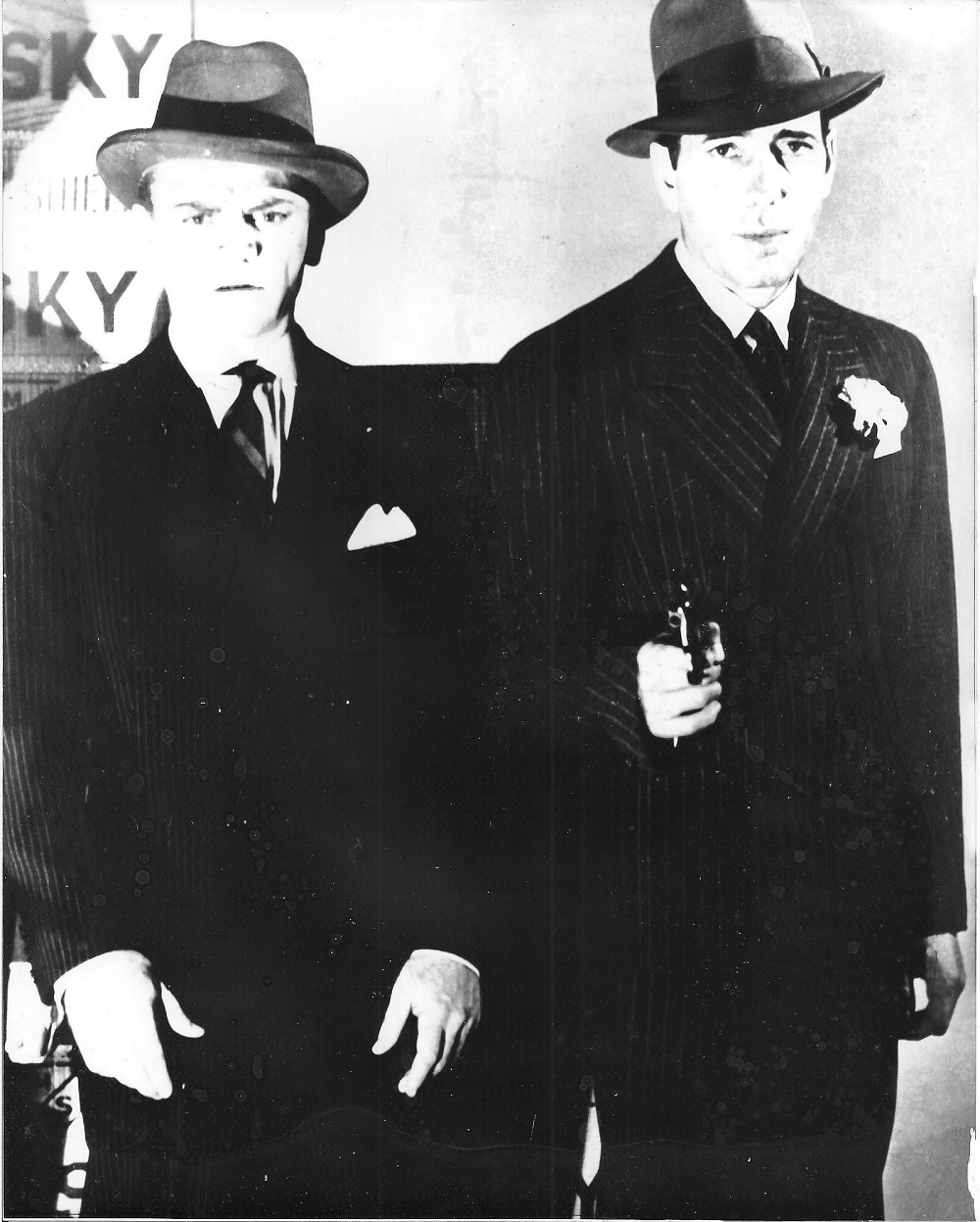
And Bogart, cracking wise as Philip Marlowe and being tough as Sam Spade, and getting all moody when Dooley Wilson tinkles out ‘As Time Goes By’ in ‘Casablanca.’ He’ll always have Paris but the problems of two people didn’t matter a hill of beans.
John Wayne, riding tall in the saddle (because it was on a horse). Twirling that Remington in ‘Stagecoach’, leading the cavalry in John Ford’s westerns, and telling James Stewart who really shot that varmint Liberty Valance. And, later, doing the twirling thing two-fisted and telling ‘Lucky’ Ned Pepper to fill his hand in ‘True Grit.’
Flynn, being helluva brave and noble as Robin Hood, saying “Welcome to Sherwood, milady” to a shimmering Olivia de Havilland (yeah, I noticed the ladies eventually) and swapping tough talk with Basil Rathbone over clashing blades.
That was my childhood (along with a host of TV shows, mostly westerns like ‘Cheyenne’, ‘Maverick’, Bronco’, ‘Bonanza’, ‘Sugarfoot’) and it extended into adulthood. I watch movies, I read about movies, I listen to movie scores (I present a weekly movie music show on Southern Sound radio – you can listen on the web every Saturday at 4pm on www.southernsound.org.uk), I have movie posters on my walls.
Yeah, I kinda like movies.
I used to write about them, too, as a critic with a local newspaper in the west end of Glasgow. That was fun.
I’m still writing about them, but these days it’s a little bit more subtle.
There are little cinematic Easter Eggs littered throughout my fiction. Some are obvious, some perhaps not so much.
In my latest book, A THIEF’S JUSTICE, (published by Canelo in hardback and ebook this week), there is a tiny little nod to ‘Raiders of the Lost Ark.’ If you read it, you can’t miss it.
Do you do it on purpose, I hear you ask, or is it accidental?
Well, I’ll tell you. (That single line there is a tug of the forelock to ‘Fiddler on the Roof.’ I can’t help myself).
I do it purposely. I believe that it doesn’t get in the way of the storytelling and it gives me an additional level of fun in the writing.
They don’t all make it to the final book. Editors will suggest lines are cut for various reasons, either they don’t work, or they get in the way of the narrative.
In the first Davie McCall book, BLOOD CITY, there was an entire section that never appeared in print concerning Davie and his friends settling down to watch the John Wayne western ‘Rio Lobo’ on TV, only to find it has been delayed by the storming of the Iranian Embassy in London in 1980. One character was not pleased at his viewing pleasure being disrupted by the live feed of the SAS freeing the hostages from the group who held them captive. However, the section didn’t add anything to the story, apart from providing a sense of the period and that had been established earlier.
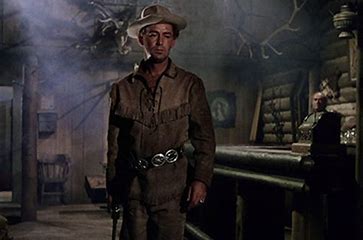
The entire series is inspired by the book and film ‘Shane’. That inspiration, a man who has grown tired of the life he has led, extends to the Jonas Flynt books today.
The Dominic Queste novels are one long tribute to movies and popular culture, thanks to Queste himself being a movie buff. ‘The Janus Run’ was effectively my own tribute to the action and conspiracy thrillers that I love from 70s and 80s, and the works of Robert Ludlum, although set in present day.
Even the Rebecca Connolly thrillers have movie references throughout. A line here, a reference there, a genuflection to something I love.
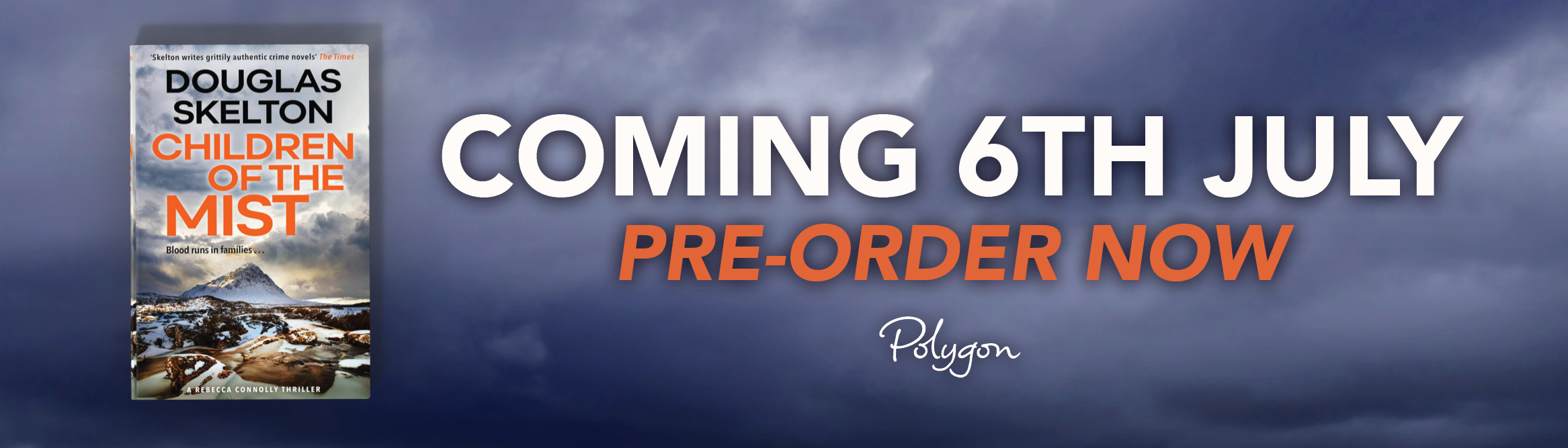
See if you can spot any in CHILDREN OF THE MIST, coming in July.
Maybe some day I’ll give you a list of my favourite films of all time. But right now, I need to go.
A memory came up on Facebook the other day that kind of brought me up short.
Mostly these reminders are good, sometimes not so good. This one made me realise that, while I often think I waste too much time, it turns out I really haven’t.
It’s been ten years since my first novel BLOOD CITY was published. Some of you know that I had books out there prior to that but they were all non-fiction. My very first book was published in 1992. Which is quite incredible because I’m only 32.
Yeah, I’m snorting at that myself.
Anyway, 2013 saw me finally make the leap into fiction and here’s what I’ve done since:
Three further Davie McCalls;
Two Dominic Questes;
One stand alone in THE JANUS RUN (which wasn’t supposed to be a stand alone but them’s the breaks, kid);
One fact book about Scotland;
Five Rebecca Connollys (the fifth coming in July);
One novella, co-written with Morgan Cry (aka Gordon Brown);
Two Jonas Flynts (the second coming in May);
Three comedy plays;
One comedy sketch show;
And a partridge in a pear tree.
Add to that I’ve produced various short stories, blogs, podcasts and articles, have fronted one documentary and appeared in others, have appeared at festivals and events, including numerous attempts to find that plot with the Four Blokes.
Also, by the end of the year I’ll have written another Rebecca and another Jonas.
So that means in ten years I will have written 16 books, along with everything else.
No wonder I’m tired!
We won’t talk about the ups and downs of life and love, pandemics and when I ran out of milk. We all have hurdles we have to overcome.
Ok, Douglas, so what’s the point of all this? Are you just showing off?
I’m glad you asked that (yes, I am showing off). There is a point. And it’s this:
Sometimes you’re making progress and you don’t realise it. Writing is a lonely occupation, we sit alone at a desk and make stuff up. Speaking personally, that often does not come easily. There are days when I can barely string two words together, let alone reach my 2k target. However, I persevere because it’s my job. This is what I do.
As Stephen King once wrote, sometimes you’re doing good work when it feels like all you’re managing is to shovel shit from a sitting position.
Sometimes, though, what you’re shovelling really is a load of manure. But hey, that’s what subsequent drafts are for.
A lot happened in those ten years and when you’re on the merry-go-round of life sometimes the world just slips by in a blur and even though you think you’re only going round in circles you are actually getting somewhere.
I am thankful that my books see the light of day. I am grateful I can make a living at this – I’m far from Mr King’s income bracket but I can pay the gas bill (so far).
Yes, sometimes life gets in the way. But there’s an old adage that writers write. One word follows another, one sentence follows another, one paragraph follows another. Soon you have a chapter, and then another and another and then you have a book.
Another adage – they don’t need to be good, they just need to be written. Good can come later.
Sixteen books in the years. Yes, there were – and are – times when I think I cannot write and there are no more words. In truth, I’m feeling that now. But it will pass. The words will come, they will become sentences, etc., etc.
How? To quote Shakespeare in Love, I don’t know. It’s a mystery.
‘There’s a madman in my brain. He gibbers between my thoughts.’
As a conversation opener it registers high on the attention grabbing scale. Add the fact that it was the middle of the night and I’d opened my eyes to find the man who said the words sitting beside my bed and it’s pretty bloody startling. Now I know how the Queen felt when that guy played Midnight Caller in her Buck House bedroom back in the 1980s.
I sat up, for some reason clutching the duvet to my chest as if I was covering my modesty. I stammered something incoherent, I knew it incoherent because even I didn’t have a clue what I was saying, but all I received was an impassive stare.
I knew him, of course. Mr James, lived downstairs from me. Strange old guy, even when he wasn’t slinking into his neighbour’s bedroom and making creepy pronouncements. He always had an other-worldy sense about him. A vague feeling that he wasn’t quite with us. Of course, the kids in the street told all sorts of tales about him. That he was a vampire. That he didn’t leave tracks in the snow. That when he came near they felt something cold and of the grave pass by. I didn’t accept any of that, of course, because I’m a hard-nosed Scot from the hardest-nosed city in the country. But even so, whenever I passed him I felt my pace quicken just a little. You can’t be too careful.
I felt that chill, too, right then. He looked back at me, his pale blue eyes clear and calm, his voice modulated. He spoke like a gent, like something from a Victorian ghost story. That didn’t help my mood.
‘What the f….’ I began but he waved a bony hand, as if batting away any objections to my home being invaded.
‘You are Mister Dominic Queste. You are the detective, am I correct?’ He said, his voice like Ian McKellen doing Death in ‘The Last Action Hero.’
‘Sort of,’ I said, automatically.
‘Sort of is not a response,’ he said. ‘You either are or you are not.’
‘I do some odd jobs for people,’ I said, trotting out my customary explanation for how I make a living. not that it’s much of a living, but it is mine own. ‘Wouldn’t say I was a detective.’
He cocked his head to one side, thought about this for a moment, then nodded as if I’d passed some sort of test. ‘You will suffice.’
‘Mr James,’ I said, feeling my usual Steve McQueen cool being tested, ‘what the hell are you doing here? Do you know what time it is?’
He pulled a gold pocket watch from the fob of his waistcoat. Yes, he was wearing a waistcoat. And a dark suit. And he had a pocket watch. I almost looked over the side of the bed for a top hat.
‘It’s 3.15am,’ he said, without any trace of irony. ‘Why? Do you have an appointment?’
I sighed, rubbed my eyes. ‘What…?’ I began, then changed tack. ‘How the hell did you get in?’
‘How does anyone gain access to a gentleman’s apartments? I used the front door.’
‘But it was locked.’
He shook his head. ‘It was not.’
I was about to argue but caught myself as I cast my mind back to the previous night. The Sutherland Brothers had been over, discussing their Christmas menu. For a pair of bone breakers – albeit bone breakers who were going straightish – they fancied themselves as chefs worthy of a clutch of Michelin stars. We were being told that we were facing the warmest Christmas in memory and so naturally their minds had turned to thoughts of barbecue. Frankly, the notion of Duncan and Hamish Sutherland in floral shirts and baggy shorts, flame-burning the turkey didn’t add up to the Festive Season for me. They also didn’t factor in the incessant rain that had shown no sign of abating. As the menu grew ever more ambitious and, for me, disgusting (there was talk of shrimp), the lure of Laphroig became impossible to ignore. I may have drunk just a little too much because I didn’t remember the boys leaving. Maybe I didn’t lock the door.
I decided to give him the benefit of the doubt.
‘Mr James,’ I said, summoning up as much patience as I could muster given he’d snatched me from a dream in which a beautiful woman was about to instruct me in the secret ways of the flesh. ‘What do you want?’
He looked flustered for the first time. No, scratch that, he looked hunted.
‘I require your assistance.’
‘At quarter past three in the morning? What kind of assistance could you possibly need at quarter past three in the morning?’
It occurred to me he was an old guy. I hoped it wasn’t something toilet related.
‘The madman in my head,’ he said. ‘He needs to be heard.’
Okay, that made something inside me quiver, I’ll admit. I’d forgotten all about his opening gambit. When a strange old codger breaks into your home – okay, the door may have been open – and starts talking about madmen in his head, it’s really not conducive to a settled stomach.
‘I would like to invite you into my apartments,’ he said.
I didn’t fancy that much. ‘Can’t I hear the madman just as well here?’
He shook his head in a solemn fashion. ‘I have a story to tell and something to show you.’
Now, my mother, wherever she is, only gave me three bits of advice that I heeded. One was never to run with the pack. The second was don’t go anywhere with strange men. The third was about not eating yellow snow but it was number two that applied here. Let me admit something, I was somewhat on edge. Frankly, I couldn’t have been more freaked if Mr James had stripped off his face to reveal a grinning Katie Hopkins.
Mr James sensed my discomfort. ‘You have nothing to fear, Mister Queste. You are young, fit, in rude health. What harm can an old man do you?’
My mind told me quite a lot – I’m not so young and usually fit to drop and he may have been getting on in years but he still looked pretty powerful to me – but his goading of my machismo was enough to get me out of bed and into a pair of jeans and my Star Wars hoodie. I figured I needed the Force with me.
I live in a Victorian red sandstone tenement on the south side of Glasgow and our footsteps seemed to echo up and down the stairway even though I was trying to be stealthy. When I say ours, I meant mine, for Mr James didn’t make any noise at all. He was strapping, you might say, so his noiseless descent from my first floor flat would’ve been unnerving if I wasn’t already as skittish as a pig near a bucket of apple sauce. Maybe the kids were right, maybe he didn’t leave footprints in the snow.
Outside, the rain was really giving it some wellie. I could hear it thundering off the pavement and drumming against the cars. On the ground floor landing I could see someone had tracked in some mud. Mr James’ downstairs neighbour, Mrs Dempster, would go batshit crazy when she saw that. She insisted that the landing be kept immaculate.
The door to his flat was one of those big heavy black numbers which I presume are original to the building. It had a large brass letterbox and a huge knocker. I must’ve been pretty nervous because I didn’t make a crack about my liking huge knockers. Anyway, something told me Mr James’ first name wasn’t Sid.
He motioned me into the hall and closed the door behind us. The sound and fury of the winter weather was blocked by the heavy barrier. There was just me, the old guy and a dark hallway. Somewhere I could hear a clock ticking loud enough to waken the dead. I didn’t much like that analogy. I wondered what the hell I thought I was doing down here with a strange old guy in a dark flat and only my razor sharp wit to defend me.
‘Would you care for a cup of tea?’ He asked. ‘I have Earl Grey. Or a sherry perhaps?’
His manners were impeccable, I’ll give him that. However, I’m not a fan of fancy tea – give me a mug of Tetley anytime – and it was either too late or too early for alcohol so I declined.
‘As you wish,’ he said and motioned me into the first room on the left, which I knew to be his sitting room, because his flat had an identical layout to mine above. ‘This is the parlour,’ he said, making me out to be a liar. The room was lit by four candles, two on a high dark wooden mantelpiece and two on a low table made of similar wood. ‘Forgive me,’ he said, ‘but electric light hurts my eyes.’
The candles must’ve been scented because the air was heavy with the odour of strawberries. There was something else underneath that. Dampness, maybe. Between the two on the table was a long box made of polished wood. It looked old, way older than Mr James.
I should’ve fled right then but to be honest, my curiosity was piqued. If I’d been a cat it might’ve worried me but I’m a tough Glasgow boy who’s been down the town more than once. I could take care of myself. Still, I wished I’d brought something heavier with me than the bags below my eyes.
He motioned me to sit in an overly stuffed armchair that would’ve been new when Queen Victoria was a good looking young girl, then fetched a thick crystal decanter and two small glasses from a heavy wooden sideboard that looked old enough to be part of an antique dealer’s pension plan. He placed them on the table beside the box. ‘In case you change your mind,’ he explained as he settled himself into another armchair.
I waited for him to speak again but he sat back and closed his eyes. At first I thought he was gathering his thoughts but as the silence continued, broken only by the sonorous ticking of the clock, I wondered if he’d dropped off.
‘Mr James…’ I said and his eyes snapped open once again.
‘I do apologise, Mr Queste,’ he said. ‘Now that I have you here, I was wondering how to begin.’ He paused again, his hand resting on the box between us. ‘Mr Queste, are you familiar with the word Tontine?’
‘He palled around with the Lone Ranger, right?’ I was nervous, okay? And when I’m nervous I crack wise, as they never say in Glasgow. Mr James gave me a look that told me he was beginning to wonder if waking me up had been one of his best decisions. Didn’t bother me, I was hoping Eliza/Faith was still waiting for me in dreamland.
‘A Tontine is an agreement between friends,’ he said, as if I hadn’t said a word. ‘Usually it’s a financial arrangement – they can benefit from it during the life of the agreement but the last of the friends to remain alive reaps the full reward.’
I nodded. It seemed the thing to do.
‘In the case of my friends and I, the Tontine was an item of great value, which was passed to each of us in order of seniority. I was the second youngest.’
I glanced at the box and his hand resting upon it. Whatever he was talking about was in that box. Just call me Sherlock.
‘There was six of us originally. We were all what you might call well-to-do…’
I wouldn’t ever use that term. I’d just say rich bastards and be done with it. But I didn’t say that out loud. Rich bastards can get tetchy and I still wasn’t convinced Mr James was playing with a full deck. Mind you, if Mr James was well-to-do, as he put it, why the hell was he living in my street?
The ghost of a smile made his mouth twitch. ‘You may be wondering why I’m living here if I were well-to-do,’ he said, making me think I’d spoken out loud. Or perhaps he was telepathic. ‘My family fell on hard times, I’m afraid. Recessions are not the sole domain of the 21st Century. But when we were young, we were inseperable. Friendship, Mr Queste, companionship, fellowship. When you are children you believe it will last forever, do you not? I even married one of them. Dear Catriona and I had 45 years together and we were happy…’ He paused again as a catch in his voice brought tears to his eyes. His wife had died the previous year, I recalled. She’d been bedridden since I’d moved to the building and I’d never met her.
‘I had always believed we would enjoy the fruits of the precious gift, as we called it, together. But alas, that was not to be.’
‘Mr James, what was the precious gift?’
‘It was a pendant, Mister Queste, a diamond-studded pendant. Not overly large but quite valuable, really. It had been left to the eldest of our circle by a grandmother. Gerald was a generous soul and it was he who came up with the idea of the Tontine. He was such an avid reader and he had an abiding affection for the works of Mr Robert Louis Stevenson. Have you read “The Wrong Box”?’
‘I’ve seen the film,’ I said and I swear he winced.
‘Well,’ he said, and how he made that one word sound like a rebuke I’ll never know, ‘certainly the novel is far from Mr Stevenson’s best.’
The film wasn’t great either, but I didn’t say that.
‘As I said, it wasn’t a Tontine in the strictest sense but we were little more than children and foolish and Gerald was adamant that we should all six agree to the pact. Gerald, Catriona, Lester, Phillip, Graham and myself. Six friends from childhood, bound together until old age by an oath and a promise. There were times, though, when I wished I could lay my hands on the pendant to ease my often straitened financial affairs but an agreement is an agreement and I had to wait my turn. Catrina and I both agreed that, when our time came, we would sell the pendant and ease our burden. It was worth a considerable sum, Mr Queste, and it appreciated over the years.’
He watched his own hand caress the lid of the box for a moment. That big clock continued to mark the passing of the night somewhere in the flat. I waited. ‘It became an obsession, Mr Queste. That pendant was the answer to all my financial woes. Yet I was bound by the code of childhood.’
I was beginning to sense where he was heading with his story. ‘What did you do, Mr James?’
He held my gaze for a moment and then looked away. ‘I wished them all dead. The companions of youth, the people with whom I had shared the beginnings of life and the hope of the future. I wished them dead. All of them.’
He swallowed and he removed his hand from the box, folded it into his lap. ‘Gerald died first, a motor car accident. Phillip was next, heart failure, he had never been the sturdiest of souls. Graham, though, was murdered…’
I knew that was coming. ‘What happened? And who did it?’
‘The police said it was a robbery that went wrong. He was bludgeoned to death in his home. Nothing of real value was taken.’
‘The pendant?’
‘It was in a safe deposit box, under lock and key. That was part of the agreement, it had to always be kept secure. As to who was responsible, that was never ascertained.’
He lapsed into silence again, stared into the darkness at his feet, his aged face rippling in the candlelight. I thought I saw guilt in the crevices in his skin, in the dark of his eyes.
‘And so it passed to Lester. He had been the brightest of us, you know. A gregarious, witty, generous boy. But life changes us, Mr Queste, and makes a liar of our younger selves. Lester as an adult had none of those attributes. He became grasping, malicious, selfish. I voiced my concern to Catriona that he may try to deny us the Tontine should he pass before us. I did not know how he would have managed it but I am certain there are lawyers extant who would know how to circumvent our rather crude agreement, just as I am certain Lester would have used them, had he been allowed to do so.’
‘What happened to Lester, Mr James?’
‘He died, Mr Queste. Cancer. It was a slow, lingering, wasteful death. He had been a petty and spiteful man and he fell victim to a petty and spiteful disease and I regretted ever wishing him ill.’
Not murdered then, which was what I half expected. Just one suspicious death in the bunch, then, unless someone purposely left tyre tracks on old Gerald. Maybe this story wasn’t going the way I thought.
‘So you finally inherited the pendant?’
‘It took some time, there were legalities to be observed and Lester had a family that was just as greedy as he but yes, the matter was finally resolved.’ His voice caught again. ‘Alas, it had proved too late for my Catriona. I lost her six months ago. She died in this very apartment, in her own bed. She died believing that with the pendant at last falling to me that my own final years would be somewhat more secure. This was the box in which the pendant was kept.’ He patted the polished wooden lid but made no attempt to open it. There was clearly more to say.
‘I must unburden myself, Mr Queste, for I believe this pendant carries with it a curse. Death and madness seem to follow this box.’
‘Unburden yourself about what, Mr James? Graham’s death?’
His pale eyes fixed on me, ‘What do you suspect, Mr Queste?’
I shrugged. ‘Bluntly? I think you killed him, Mr James, to speed up the process. I think you might’ve gone after Lester, too, if cancer hadn’t got to him first.’
That strange little smile flitted again. ‘Is that what you think?’
‘That’s what I think.’
He leaned back in his chair, closed his eyes again, made a tent with his fingers in front of his face. ‘I did not harm Graham. Someone got to him first.’
‘Lester?’
‘No, he was mean-spirited but not violent, nor a man of action.’
‘So was Graham’s death random?’
He opened his eyes and stared at me again. ‘There was another person in our agreement, Mr Queste…’
And then it hit me.
Catriona.
He nodded. ‘Yes. The female of the species is more deadly than the male. Do you know your Mr Kipling?’
I was too speechless to say anything about exceedingly good cakes, which really isn’t like me. I stared at him for a long moment and he looked away, as if ashamed.
‘She waited for him in his home, then struck him from behind with a metal ornament. How she was able to heft the heavy piece I do not know but madness has its own strength. I believe she would have taken Lester, too, if she herself had not fallen ill.’ He looked back at me. ‘Would you like that sherry now?’
I’d’ve preferred something more Highland but I nodded. He poured a stiff belt into the glass closest to me and I quaffed it in one gulp. Quaffed. I was even beginning to think like him.
I laid the glass back on the table, gazed at the box. ‘So you finally got the pendant?’
A little smile. ‘I told you madness followed this pendant. Catriona had it, much as I loved her. Lester had it, although how deep it ran I did not fathom until I opened that box.’
I could tell he wasn’t going to explain himself so I motioned towards the box. ‘May I?’
He inclined his head and I picked it up, rested it on my lap. It was nicely polished, heavy, a fine piece of craftsmanship. It had a little silver snib on the front which I loosened then swung the lid back.
The box was empty, apart from a heavy silk scarf and a piece of paper. I darted a look in Mr James’ direction but he was staring into space again. I took out the sheet, unfolded it and read.
‘He couldn’t bear to part with it,’ said Mr James. ‘It had consumed him utterly. Perhaps Gerald and Philip and Graham were immune to it, perhaps not, for as we all reached our majority we drifted apart, bonded only by the Tontine and its promise. But its power infected Lester and it infected my dear Catriona. She murdered for it and he took it to his grave.’
I can’t recall the exact wording of the note but the upshot was that old Lester had decided that he was, in fact, going to take it with him. He knew he was at death’s door so he’d taken the pendant from wherever he’d stored it and, having organised his own funeral, paid the undertaker extra to bury it with him. The note had a gloating quality to it, as if he was glad he’d denied Mr James and his wife the security they’d longed for.
‘Madness,’ I said, still staring at the handwritten note.
‘Indeed. Lester always loved Catriona,’ said Mr James. ‘He could never accept that she had chosen me over him. It contributed to his bitterness and this was his way of punishing us both. Madness, Mr Queste. And it did not end with him.’
He reached into his pocket and laid something on the table. Something bright shone in the candlelight, something glittered. I simply stared at it without picking it up. I didn’t want to touch it.
‘I had to possess it,’ said Mr James. ‘Catriona had lost her soul for want of that pendant. We had dreamed of the day when it was in our grasp, when all the ills of our life would be cured. I had to possess it.’
‘You robbed his grave?’
He nodded. ‘This very night. The ground was soft, thanks to the rain, it did not require too much effort and I am yet strong, Mr Queste. It nestled on his chest, his bony fingers wrapped around it like a lover. I took it from him and I left his grave open for the world to see what a hideous creature he had become.’
The rain pounded at the windows as I struggled to comprehend what this old man had done. To be honest I couldn’t quite believe it. He’d actually gone to a graveyard and dug out a grave, like Boris Karloff and Bela Lugosi in ‘The Bodysnatchers.’ It occurred to me that was based on another Robert Louis Stevenson story and I wondered if Mr James knew that. I felt the room beginning to spin a little and the scent from the candles became overpowering.
‘But it did not end there, for the madness had consumed me completely. As I held the pendant in my hand at last I realised that the moment was not complete. My dear Catriona and I had long yearned to hold the precious gift together but Lester’s greed and hatred had deprived us of that. But as I stood there in the dead of the night, with the rain streaming about me, and the open grave beneath me, the madman began to speak to me. You can be together once more, he told me. You two can be one again. The madman in my mind was strong, Mr Queste, and he would not be denied.’
The room was beginning to tilt now and as he looked at me the perspective shifted, as if the background was zooming away with dizzying speed and yet he remained in position. Think Roy Scheider in ‘Jaws’, on a beach, and there’s a shark attack.
‘What did you do?’ My voice echoed, folded back on itself. Something wasn’t right here.
‘My dear Catriona was buried in the same graveyard…’
‘Oh Christ, man – what did you do?’
He didn’t answer. He just sat there, that little half smile on his face. He wasn’t going to tell me, I knew that, but I had to know. I don’t know what the crazy old bastard had put in that sherry but I knew I didn’t have long. I hauled myself to my feet, staggered to the door. He let me go. He wanted me to know. He wanted me to see.
The hallway was dark and that bloody clock was still ticking away like the world hadn’t gone mad. I stumbled towards the bedroom because I knew then that was where the answer lay. After all, that was where the earthy smell was coming from.
I threw open the door and leaned against the frame, because to be honest my legs weren’t going to take me any further.
There were candles all around the room but that wasn’t what my eyes fell upon immediately.
‘The madman spoke the truth,’ said Mr James from behind me. ‘We could be together again, one final time. We could at last enjoy the precious gift.’
She was lying on the bed, propped up against the pillows but her head slumped slightly to the side, as if she was asking a question. Her mouth lay open, her jaw loose. Her grey hair dangled over her shoulders, her flesh rotting and peeling, her eyes open – I suppose he’d opened them – but grey and sightless. The candlelight cast flickering shadows over the sight, sometimes making it look as if the flesh was moving and the lips were tightening into a hideous grin.
And just as I began to slip to the floor, I swear I saw the head begin to raise, as if she wanted to have a better look at me…
When I woke up I was in my own bed. I wondered if I’d dreamed it but that would be an anti-climax. Anyway, I was still dressed in my Star Wars hoodie and jeans. I could hear lots of movement on the stairways and I knew right away what it was about.
He must’ve contacted the police after he’d carried me back up the stairs. He was a pensioner but I wouldn’t have arm-wrestled with him. They found him on the bed with the corpse of his wife, his head on her chest, their hands clasped together around the pendant. He’d taken an overdose, they said. Sleeping pills. I don’t know if that’s what he gave me but there had to have been something in that sherry. I’m not the fainting kind.
Part of him, the part of his mind that wasn’t inhabited by the madman he spoke of, wanted someone to know what it was all about before he went. That was where I came in. He’d always intended finishing it and I guess I was the suicide note, except I’ve never told anyone. I don’t think that mattered to him. He was alone, he had no-one. He just wanted someone to know.
In the end Mr James and his dear Catriona were together again, just the way he’d wanted. Just the way that madman in his mind had told him. I suppose, if you look at it one way, it was romantic, touching even. They’d been together all their life and they’d ended together. But she was a killer and he was a graverobber and a bodysnatcher and as a love story it could’ve been written by Nicholas Sparks, if his name was really Stephen King.
But I’ll tell you this – I’ll never watch the ending of ‘Psycho’ again.
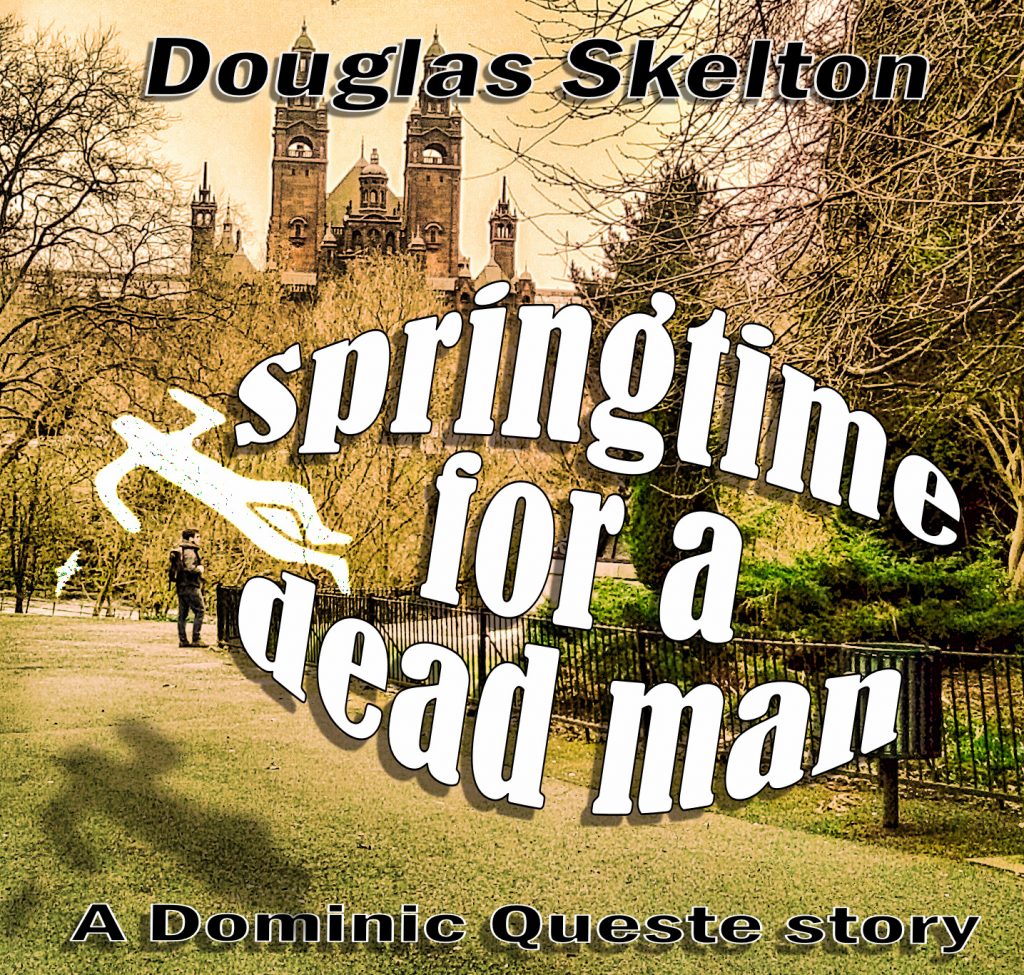
Dominic Queste features in two novels by Douglas Skelton – The Dead Don’t Boogie and Tag – You’re Dead – are available in paperback and ebook. A novella, Springtime for a Dead Man, is available for digital download on Kindle.
Pristine white, apart from the blink of the cursor, flashing like some kind of Morse Code challenge.
Come on, it says, amaze me. Thrill me. Fill me with wonder.
Sometimes though, the author stares back, knowing that filling anything with wonder is just not on the cards. Not today, thank you.
I’m often asked the question, “Do you know your ending before you begin?”
The answer is always, “Sometimes.”
Let me give you an example – I know how my current Work in Progress ends. I know who did it. I know what’s going to happen to that person.
It’s getting there that’s the problem.
You will have guessed that I’m not a planner. I don’t meticulously work out the book ahead of time. I don’t do chapter breakdowns. I don’t have a white board. I don’t have cards.
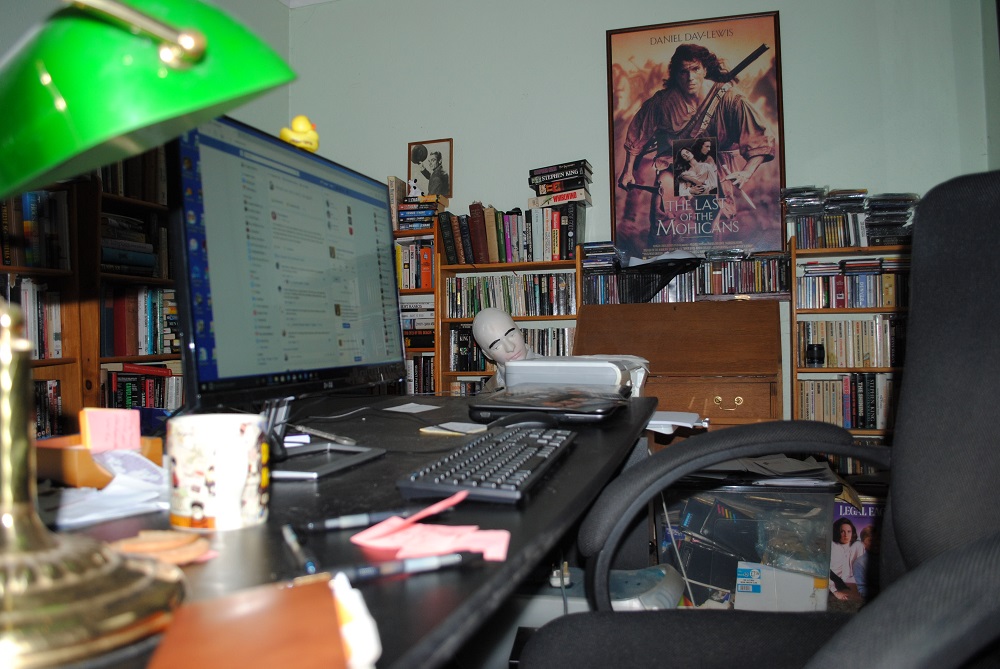
I do have lots of Post-It notes on which I scribble character names, ideas and aide memoires as I write. Not to mention phone numbers, names, computations and other notes which I often incomprehensible, my handwriting being on the chaotic side of legible.
My writing approach is just as chaotic and I wish I could take the time to really think about the plot and characters.
The thing is, I want to get on with it and all that preparation seems to me – well – too much like work. Also, I want to have a sudden epiphany that will surprise or even shock the reader as much as it surprises or shocks me that I thought of it in the first place.
Here’s an example – I didn’t know I was going to kill off one of the main characters in my first crime novel ‘Blood City’ until I actually did it. I also didn’t know the character who pulled the trigger was going to turn out to be the big bad. Had I planned that ahead of time the delicious pleasure of going all Game of Thrones on Glasgow crime would have been denied me. In my mind, at least.
The opposite also happened – a character I’d planned to kill off survived to die another day, in another book. All spontaneous, as I wrote, in the moment.
Now, planners might get the same thrill as they plot it all out, I don’t know. I’m too eager, or perhaps too lazy, to sit down and try it.
When writing ‘The Dead Don’t Boogie’, the first of my Dominic Queste thrillers, I set out to follow Raymond Chandler’s advice about whenever things are dull, have a couple of guys kick the door in with guns in their hands. I knew roughly what my protagonist was going to be, although I added layers as I wrote. I knew he was searching for a young girl in a seaside town in Scotland. I knew there would be other people searching for her.
What I didn’t know was why.
I was well over half way through, moving from one plot twist and action beat to another (let’s just say a LOT doors were kicked), when I realised I’d have to decide what the hell was going on. I did work it out and it required some additional scenes earlier on but hey – that’s what second and third drafts are for!
Would I recommend my approach? Actually, no. Deep down, I may even grudgingly agree that planners have the right idea.
No, it’s nothing like that so stop sniggering at the back!
Chance would be a fine thing, right enough.
No, this was something different in writing styles.
I needed to challenge myself, to stretch myself, to step outside my comfort zone.
But here’s the thing – I was struggling. I wasn’t being drawn back to it. It wasn’t lighting my fire. And if it wasn’t lighting my fire, how could I expect to light someone else’s? Yes, I’m still talking about writing – please wipe that smirk off your face.
Finally, today, I had an epiphany. They’re very nice with some jam and a cup of coffee.
After that I had a breakthrough and I realised my problem. I was straying so far from my comfort zone that I was no longer being me.
You see, I was trying to avoid any humour. I mean, none at all. Not a quip, wisecrack, one–liner, witticism, joke, jibe or witticism. Not even a bon mot.
And that, dear reader, just ain’t my thing.
There’s a scene in the book and film MAGIC, a great scene from writer William Goldman and superbly played in the film by Anthony Hopkins and Burgess Meredith with ace direction from the late, much lamented Richard Attenborough. It’s when Corky’s agent, The Postman (because he always delivers, God, do I need someone like that!) challenges him to not speak for five minutes without resorting to his dummy, Fats.
Corky says no bother, big man, (not those exact words but something along those lines) and puts Fats to the side. The Postman lights up one of his big cigar and waits.
Corky keeps talking. This is easy. This is sooo easy.
The seconds drag by.
Corky begins to grow flustered. This is cruel, he says.
The Postman knows.
How long?
Thirty seconds.
It goes on a little longer, Corky becoming more and more anguished until, finally, he snaps and grabs Fats and launches into a virtuoso tirade.
He lasted two and a half minutes.
Well, that was me, although I lasted for a few weeks with nary a smart line. Until this morning when I returned to the text, dragging my feet, and suddenly realised why.
You see, it’s a very dark story but it still needs light. I’ve written dark stories before – hell, the Davie McCall books are fairly bleak – but there was always humour.
Within two hours I’d done 1500 words. I’m not saying they’ll make the final cut but it’s a first draft and they’re all about getting the words down. My protagonist – for the first time a female – is now sparkier. Believe me, she’s going to need that sense of humour for what I’ve got planned ahead of her.
I’m not going full Dominic Queste but I think she’s all the better for it.
The moral of this story is, a writer has to be what he/she is. We cannot be the square pegs being forced into someone else’s idea of a round hole. I was trying to do something that I hate – write a book with no humour. And I was suffering for it. Other writers could pull it off and produce a great book. Not me. I need to know there’s someone around with a ready quip or an off–kilter view of the world.
As I say, maybe this book will never see the light of day. It’s happened before.
But I now have a better chance of actually finishing it.
Last night I attended a prizegiving at Lesmahagow High School. My job was to shake hands, congratulate each prizewinner and then pass them their certificate or trophy. I managed it without any serious difficulty. After all, the heavy–lifting had been done by the pupils themselves and the on–the–ball staff members who ensured that the correct pupil received the correct prize.
The pupils I met were bright, energised, engaged and active. Young people get a bad press these days but they’re not all video game playing hoodie drop–outs.
However, it got me to thinking about my own school days. They weren’t so long ago – after all I’m only 30.
I’ll pause here to allow those who know me to guffaw and snort tea down their nostrils.
Apparently on my first day of primary school I came home at lunchtime and announced I wasn’t going back because ‘I knew it all.’
I don’t recall this and I’m not sure what particular all it was I knew but that arrogance didn’t last long.
Truth be told, I was not the brightest bulb in the box. I’m still not.
Neither was I proficient at anything sporty. Science was beyond me. And maths and arithmetic were a mystery. That’s still the case, apparently, because just recently someone told me the plot of one of my books just didn’t add up.
What I could do, though, was string words together. Sometimes even in the right order. And I could make shit up. As an adult, I eventually gravitated towards an occupation where being able to string words together and make shit up came in handy.
Naturally, I became a journalist.
(I’m kidding. No angry letters from outraged reporters, please!)
School has changed, though. In my day, computers were something in ‘Star Trek.’ Even calculators were akin to science fiction. My fingers were my calculators. For complex sums the shoes and socks came off. Not a fragrant experience on a hot day. And examiners frowned upon a question like ‘what is 5×4’ being answered with ’10 plus 10 little piggies.’
However, as I said, the complexities of mathematics were beyond me. I thought a logarithm was a dancing lumberjack. And when a friend told me he’d passed Highers in French, German, Latin and Algebra, I wondered how you said ‘Good Morning’ in the latter.
During last night’s ceremony, a terrific speech from the outgoing school captains underlined the value of friendship.
Friendship is important. I still have a few friends from my youth. I don’t see nearly enough of them (one is the brains behind this very website) but they mean a lot to me. And they know that everything I’ve said above is very nearly true. They’re also the ones wiping the expelled beverage from their upper lip.
It is also a theme in my fiction. Davie McCall is very much a loner but where would he be without Bobby Newman? Or Arrow, Davie’s dog n the final two books? And Dominic Queste has strong support group in the Sutherland Brothers and Father Verne.
There are a couple of lines about friendship from the film ‘Stand by Me’ (I’m not sure if they’re in the original Stephen King novella, ‘The Body’). One is, ‘Friends come in and out of our lives like busboys in a restaurant.’
That’s is true. Friends can come and go.
The other line is this – ‘I never had any friends later on like the ones I had when I was twelve. Jesus, does anyone?’
That is both true and false.
There’s something about friendship when you’re young. It’s not something you think about at the time, analysis comes when you’re an old fart, it’s just something that is. Friends at that stage are more important than anything, even family.
As you grow older, you drift. Pressures of work, of family, of life take precedence. Soon those people who you roamed the streets with, who you played with, who you fought with, who you thought would be there forever are gone. Maybe in later life you hook up – a reunion, more likely a funeral – but something has gone.
So I think myself lucky that I’m still at least in contact with a couple of people who knew me way back then.
Of course, I’ve made more friends since school. Good friends. Close friends. Friends I rely on. Friends I know will be there when the solids hit the air conditioning. Friends I no doubt piss off regularly but are still there. Some are authors, some are not. Some are recent, some I’ve known for years. But they, like my old school chums, remain as vital a part of my life as the need to breath. I’m glad I have them.
The school captains last night said their friendship would last.
I view the release of a new book with mixed feelings.
On the one hand I’m delighted that it’s heading out into the world.
On the other I’m terrified that it’s heading out into the world.
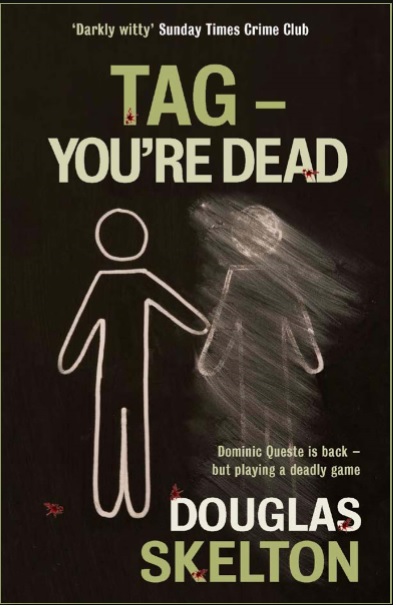
I’ve done everything I can to TAG – YOU’RE DEAD at this stage. It’s been written, rewritten, shaped, edited, cut, pasted, honed, smoothed and damn near sandblasted in places.
I think I like it (I’m never terribly sure).
I hope it entertains. I hope it enthrals. I hope it makes you at least smile. I hope, this time, it scares you.
Now it’s down to the reader to decide.
That’s the really terrifying part.
Readers can be both a welcome and daunting prospect.
I look forward to people getting their hands on the book but dread what they will think of it. Will they like it? Will they hate it? Will they finally tap me on the shoulder and say, that’s it, you fraud, you’re done?
And then the reviews start to come in. There’s actually one already for TAG – YOU’RE DEAD, on Undiscovered Scotland. It’s a belter. The reviewer actually gets what Dominic Queste is all about. That makes one of us.
Undiscovered Scotland review
I like reviews. I hate reviews. (You can see there’s a pattern of duality forming here.)
Good reviews are wonderful and make the ego preen. Bad reviews are depressing. Some can be downright hurtful.
However, it’s all part of the rich tapestry of the creative life and all reviews are welcome. They do help with algorithms, whatever the hell they are.
Anyhoo – you can find the trailer for TAG – YOU’RE DEAD here. Please watch, it took me some time to pull together. I was up sometimes to two or three o’clock in the afternoon doing it.
Tag – You’re Dead promo
And the link to the book on that on-line place is below – but please buy from a bookstore if you can!
Best-selling author, the elegant Caro Ramsay™, will be giving me a verbal thrashing once again when she hosts the launch of another of my books.
I don’t know which of us is the glutton for punishment.
Caro made the kick-off for The Dead Don’t Boogie go with such a swing last year that it was odds-on she’d be back for the second Dominic Queste thriller, Tag – You’re Dead.
Especially as she didn’t think of a solid excuse in time.
We’ll be holding court in Waterstones Argyle Street on Thursday May 4 from 6.30pm/7pm.
Entry is free but we may charge to get out again.
Please come along and see us. Caro is already plotting how to make me squirm. You wouldn’t want to miss that.
Please cal the store on the number below to book a space.
I made an astonishing discovery this morning in the shower.
Okay – stop sniggering at the back there.
What I realised was that this year marks the 25th anniversary of me having my first book published.
25 years.
Quarter of a century.
A silver jubilee.
A quadranscentennial. (What? It’s a word.)
I know! Unbelievable, right? And I’m only 40!
Coughs. Looks away. Has decency to look slightly shame-faced.
This year I’ll see my 17th book published.
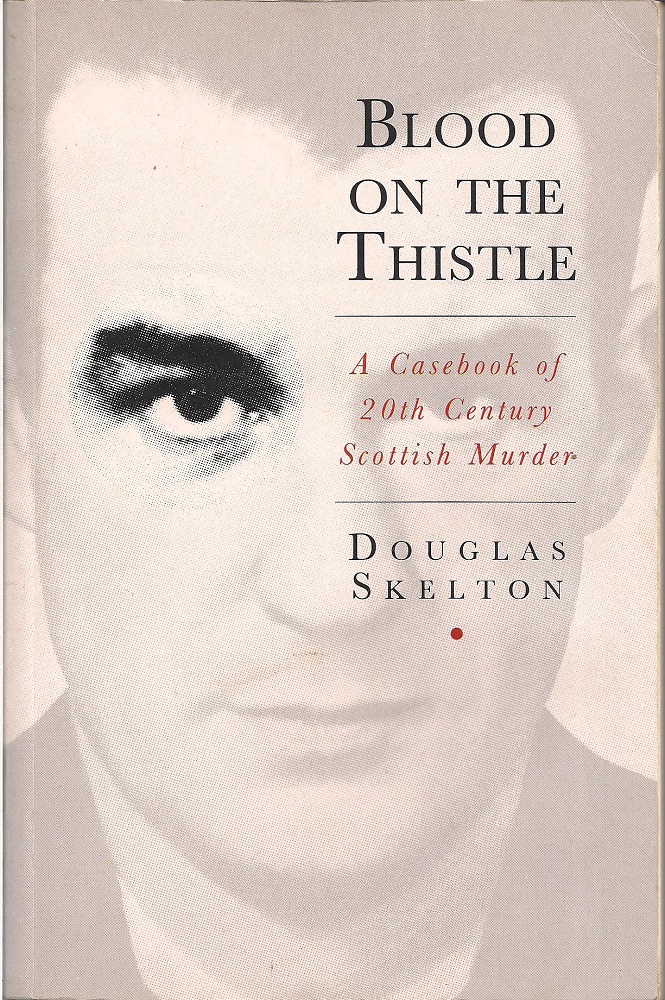
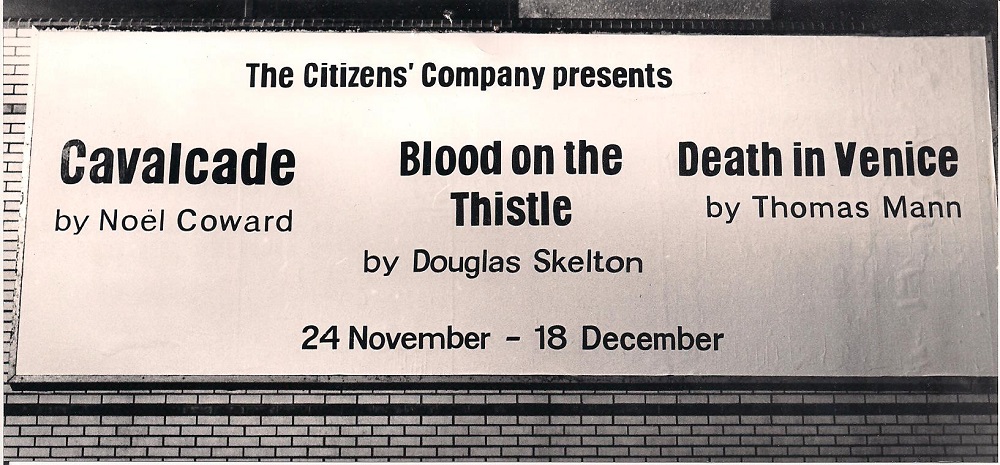
It was in 1992 that my first true crime book, ‘Blood on the Thistle’, hit the shelves. It did fairly well, was released as a mass market paperback by HarperCollins a few years later. Was dramatized for the Citizens’ Theatre in Glasgow.
It’s not available now and the rights have reverted to me.
It was followed later that year by ‘Frightener: The Glasgow Ice Cream Wars’, written with my pal Lisa Brownlie. That was the start of a ten-year odyssey for me as I became involved in the campaign to cast some light on a disturbing and horrific crime in 1984. Eventually two men were cleared by the appeal court but questions yet hover over the case – importantly, who did set the fire that killed six people, including an 18-month-old child? Sadly, we may never know even though I remain convinced someone, somewhere, knows the truth.
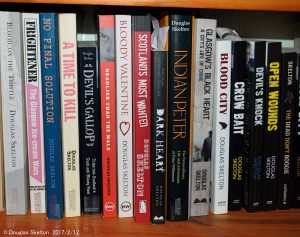
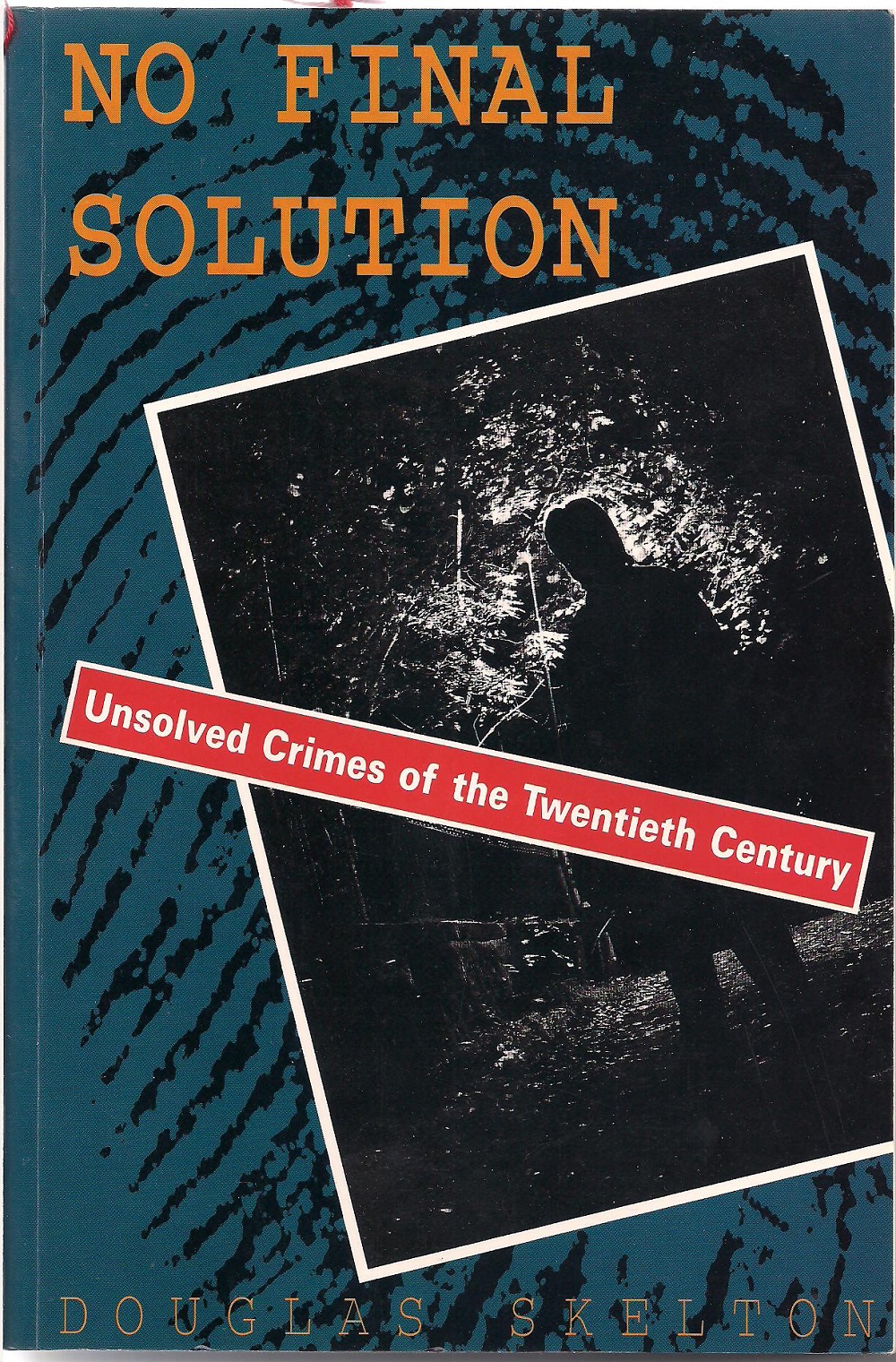
More true crime followed, ‘No Final Solution’ and ‘A Time to Kill’, ‘Deadlier Than the Male’, ‘Bloody Valentine’, ‘Scotland’s Most Wanted’. Most I’m happy enough with, one I’m really not (that’ll be the last one named. It’s not a book I’m terribly proud of, it was done purely for money and this is the most I’ve talked about it since the damn thing was written.)
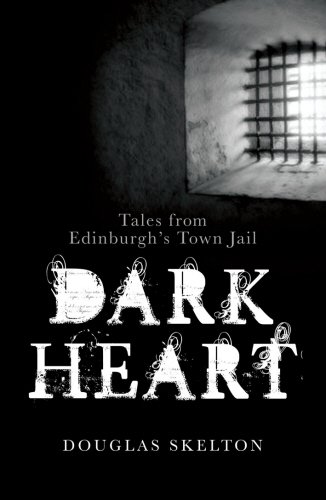
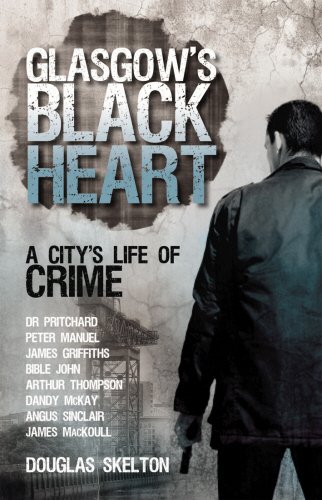
However, I became totally disenchanted with writing about fairly recent true crime, largely thanks to ‘Scotland’s Most Wanted’. There were other books which were born directly out of ‘Deadlier than the Male’ and ‘Bloody Valentine’, which featured a number of historical cases. I discovered I was more interested in older crimes and so were born books like ‘Dark Heart’, the history of Edinburgh’s town jail, the Tolbooth, and ‘Glasgow’s Black Heart’, the story of Glasgow crime from 1800 onwards.
Then there was ‘Indian Peter’, which was more of an true life adventure tale than a crime story even though there was some courtroom drama.
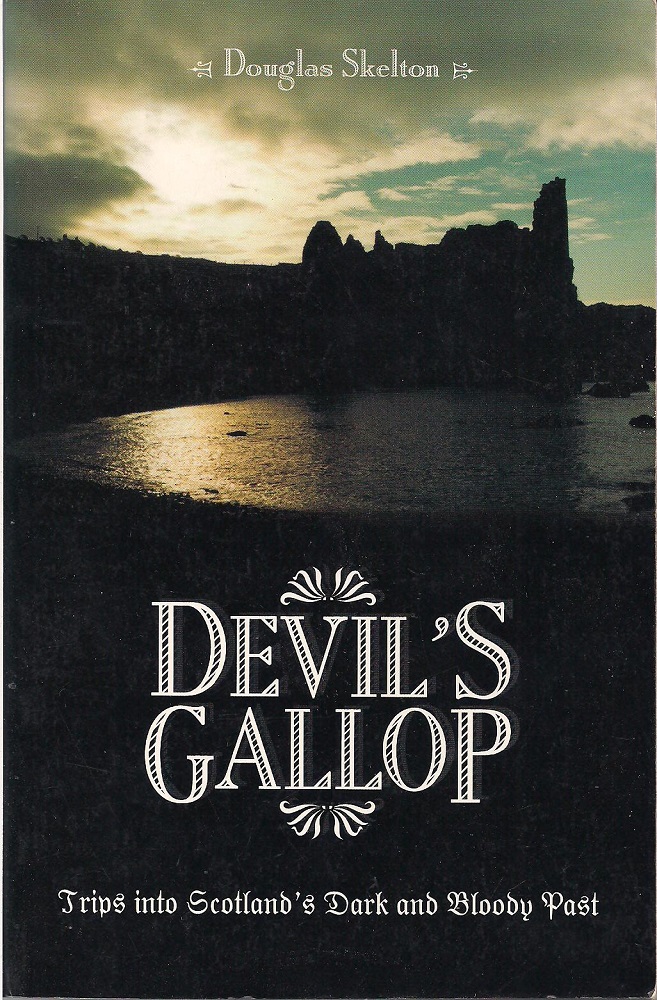
And in between all those was one oddity – ‘Devil’s Gallop’. This was a tongue-in-cheek romp around Scotland telling tales both factual and mythical.
But then, in 2009, I stopped.
I’d gone about as far as I could, or wanted to, with the factual stuff. I was asked to do more, I’m still asked, but I’ve resisted.
What I really wanted to do was write fiction. Mind you, after ‘Frightener’, there were some Glasgow cops who believed I’d been writing that all along.
I’d been dabbling for years, of course, but nothing took. And it would take another four years before I broke into the market with ‘Blood City’, the first in the Davie McCall quartet. Or quadrilogy, if you prefer.
Now I’m looking forward to the publication of my sixth novel, TAG – YOU’RE DEAD, which is the second Dominic Queste thriller. It’ll be out in April, by the way.
25 years.
That’s five lustrums, if you know your John Wayne films (see ‘Rooster Cogburn’).
Will I manage another quadranscentennial? (It’s still a word, at least according to the interweb thingy).
I’ll take two aspirin and you can ask me in the morning.