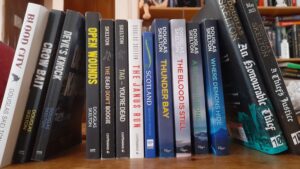
Douglas Skelton and the strands linking his fiction

Four different series.

Plus one standalone (that wasn’t meant to be a standalone, but that’s another story).

That’s my writing output since I left the world of non-fiction behind me to concentrate on fiction.

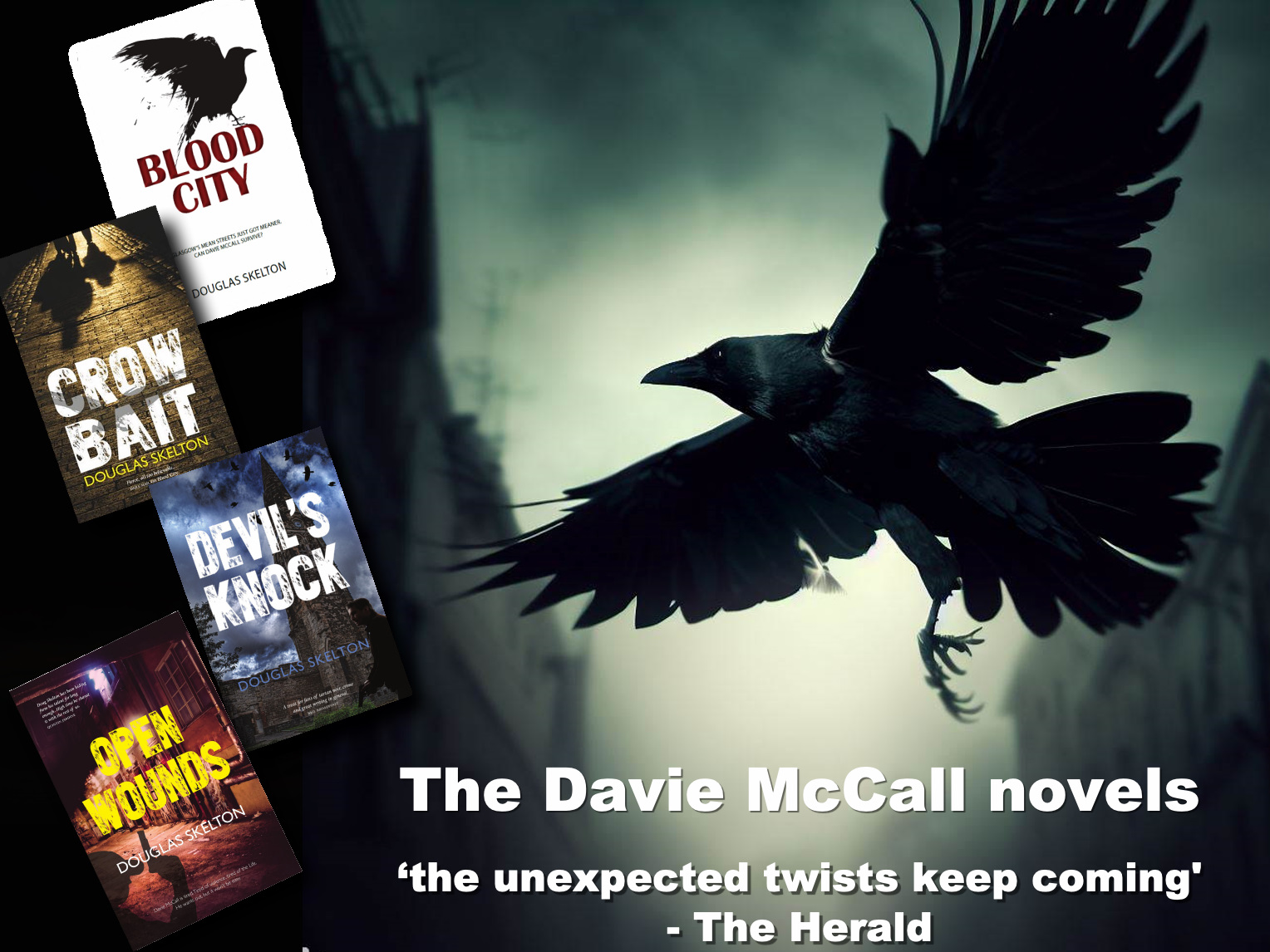
Davie McCall – four book series set in Glasgow’s underworld.

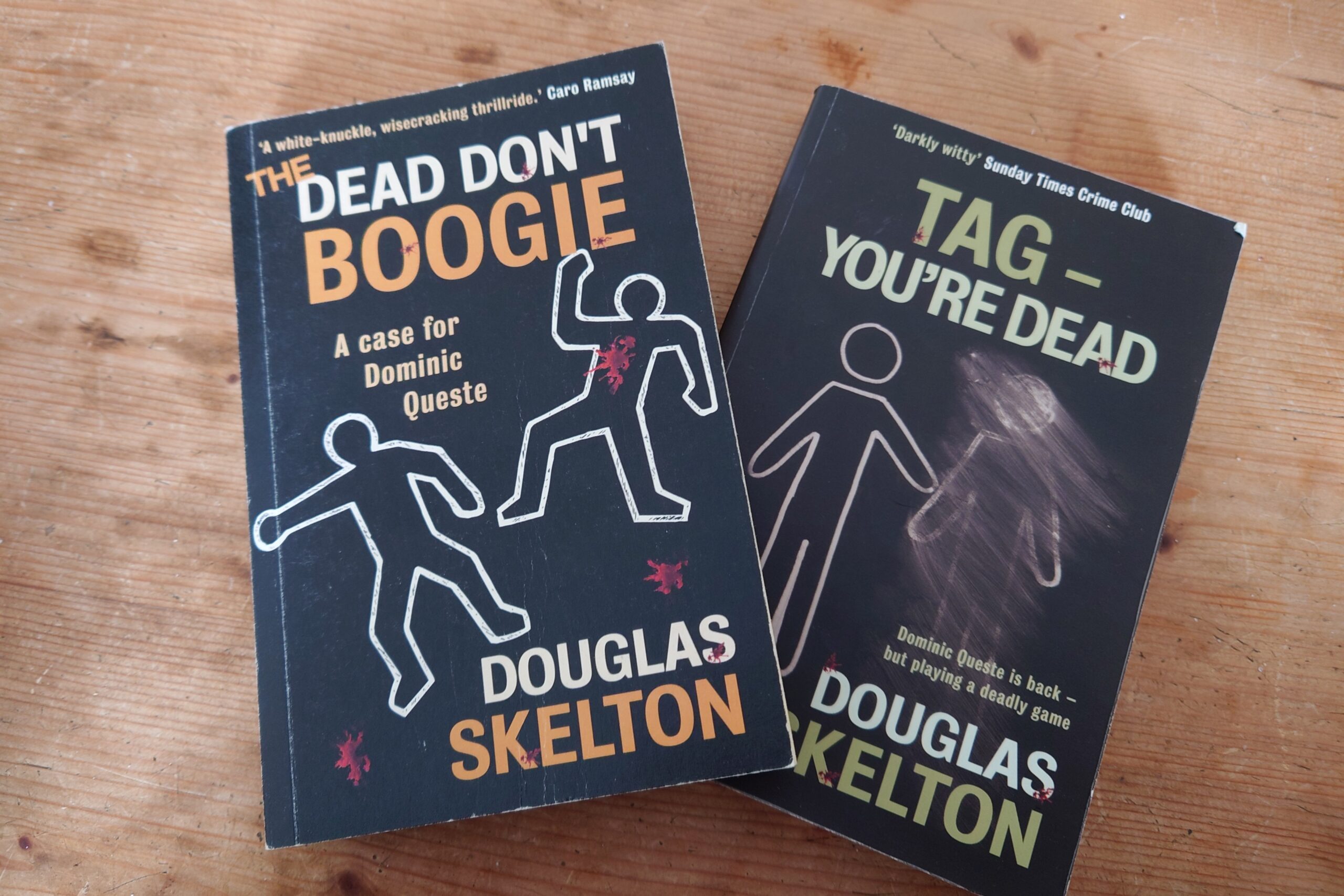
Dominic Queste – Two books, plus a couple of short stories, about (sort of) private eye, movie buff and smart arse that were much lighter in tone.

The Janus Run – that standalone that wasn’t meant to be a standalone but did turn out to be a standalone. A New York conspiracy chase thriller that was my tribute to the action and thriller movies of the 1970s and 80s.

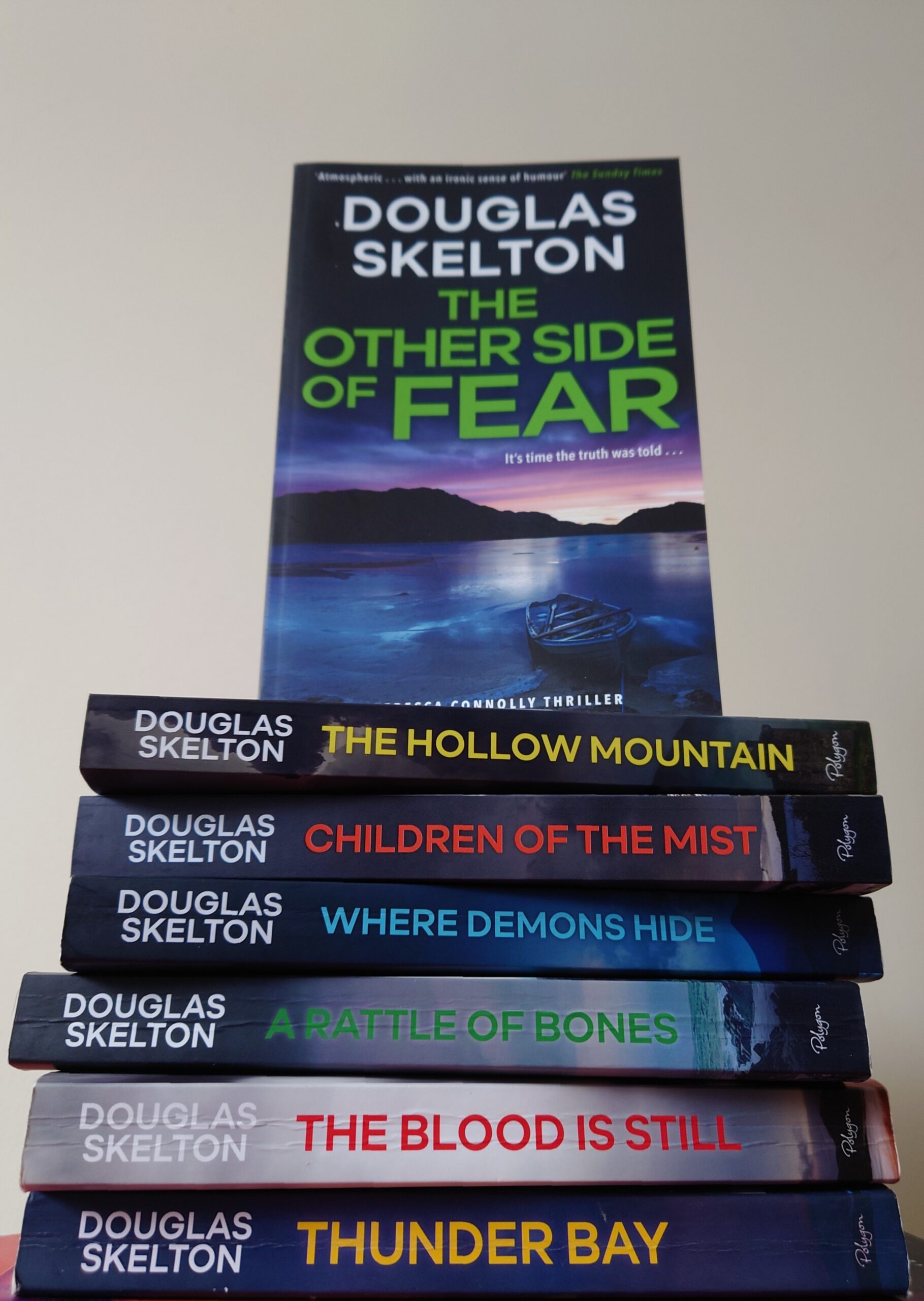
Rebecca Connolly – Slowing the pace with seven lyrical thrillers set (mostly) in the Highlands and Islands.

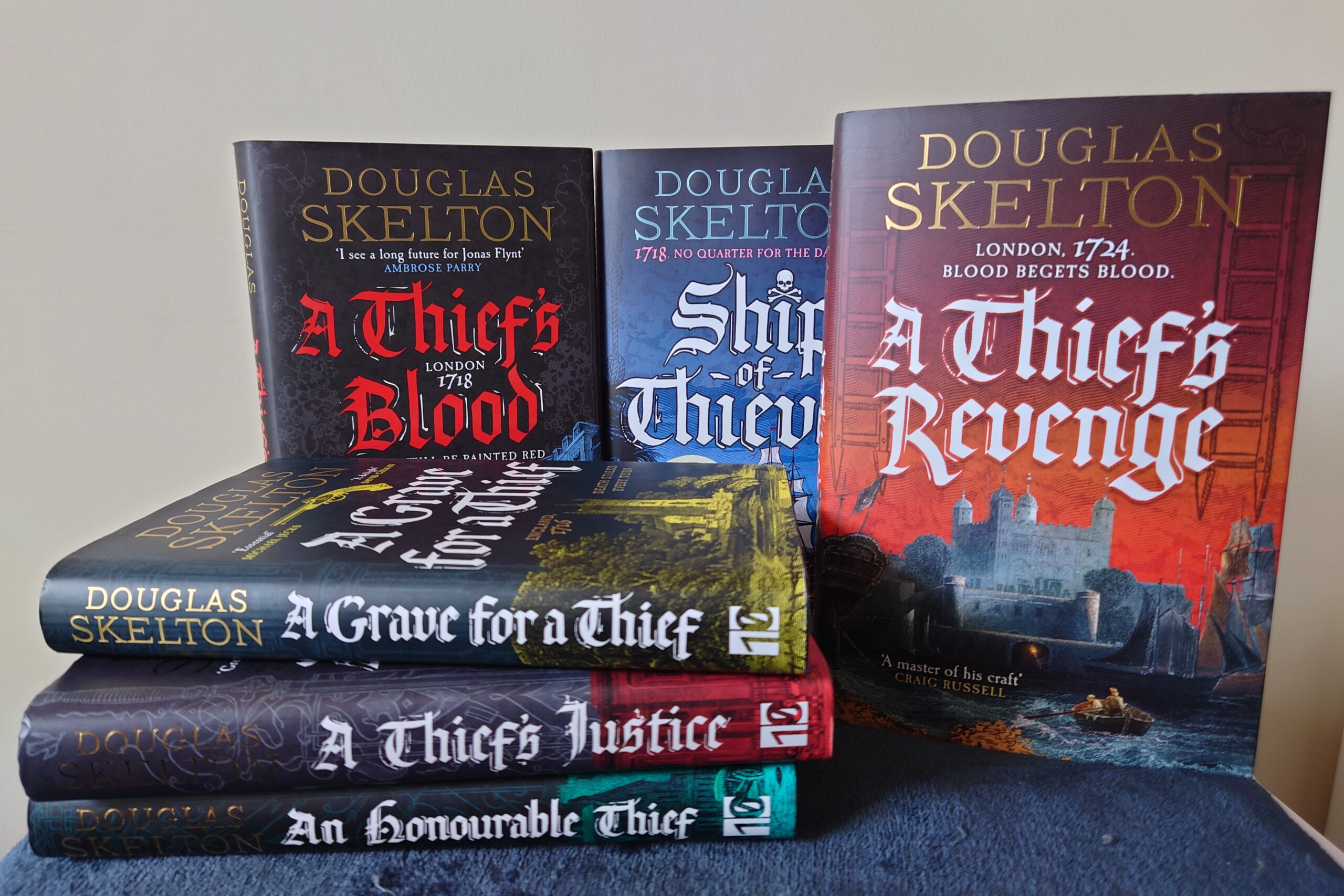
Jonas Flynt – Six historical thrillers featuring Jonas Flynt, thief, spy, gambler, killer and man of honour.

A few of you might already know all this, having been by my side throughout the anguish, disappointment, rage and occasional triumph that are the constant companions of authors in this crazy business we call publishing.

What you may not know is that, despite these books all being different approaches, set in different locations and even time periods, they are all linked.

Characters from the Davie McCall books appear in some of the Rebecca Connolly stories. Even Davie himself shows up briefly in The Blood is Still. Although unnamed, he is the guy with the dog in the Inverness bar who warns Rebecca about the man she is with, telling her he will bring her heartache.

That appearance should clear up any mystery concerning the ending of the fourth in the Davie McCall series, Open Wounds.

DCI Val Roach appeared in the second Queste novel Tag – You’re Dead. She then joined the ensemble of characters in The Blood Is Still and remained with the Rebecca Connolly series until the end.

But it was the first Dominic Queste novel, The Dead Don’t Boogie, that introduced a shadowy group that haunts every book since.

In that book the Excelsis Corporation is the big bad behind all sorts of mayhem. Although not named, another multi-national entity fulfils a similar function. In the Rebecca Connolly series that group sits in the background, manipulating events to their benefit. In Where Demons Hide we learn it was formed in Scotland by a former Knight Templar who escaped the slaughter of his order in France with his fortune intact.

In the first Jonas Flynt novel, An Honourable Thief, we are introduced to the Brotherhood, a secret society of powerful men that has existed from the day Jerusalem Mordicant, that Knight Templar, established it. They control politicians, crooks and businesses in order steer history to their benefit. It is that group who sit behind events in the Rebecca Connolly books and to Dominic Queste as Excelsis.

Four different series.

One standalone (that was never meant to be a standalone).

One world…

If you know me, you’ll know that I’m a big fan of the movies/films/cinema/flicks, call them what you will.

I have been for as long as I can remember. Black and white, colour, mono, stereo, Dolby, even some silent comedy, I don’t care what they are, I enjoy them. I’ve never taken to 3-D, though.

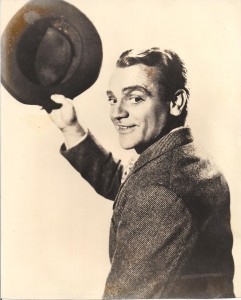
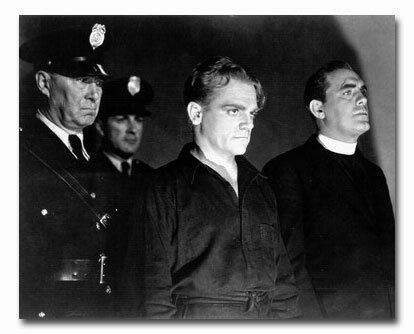
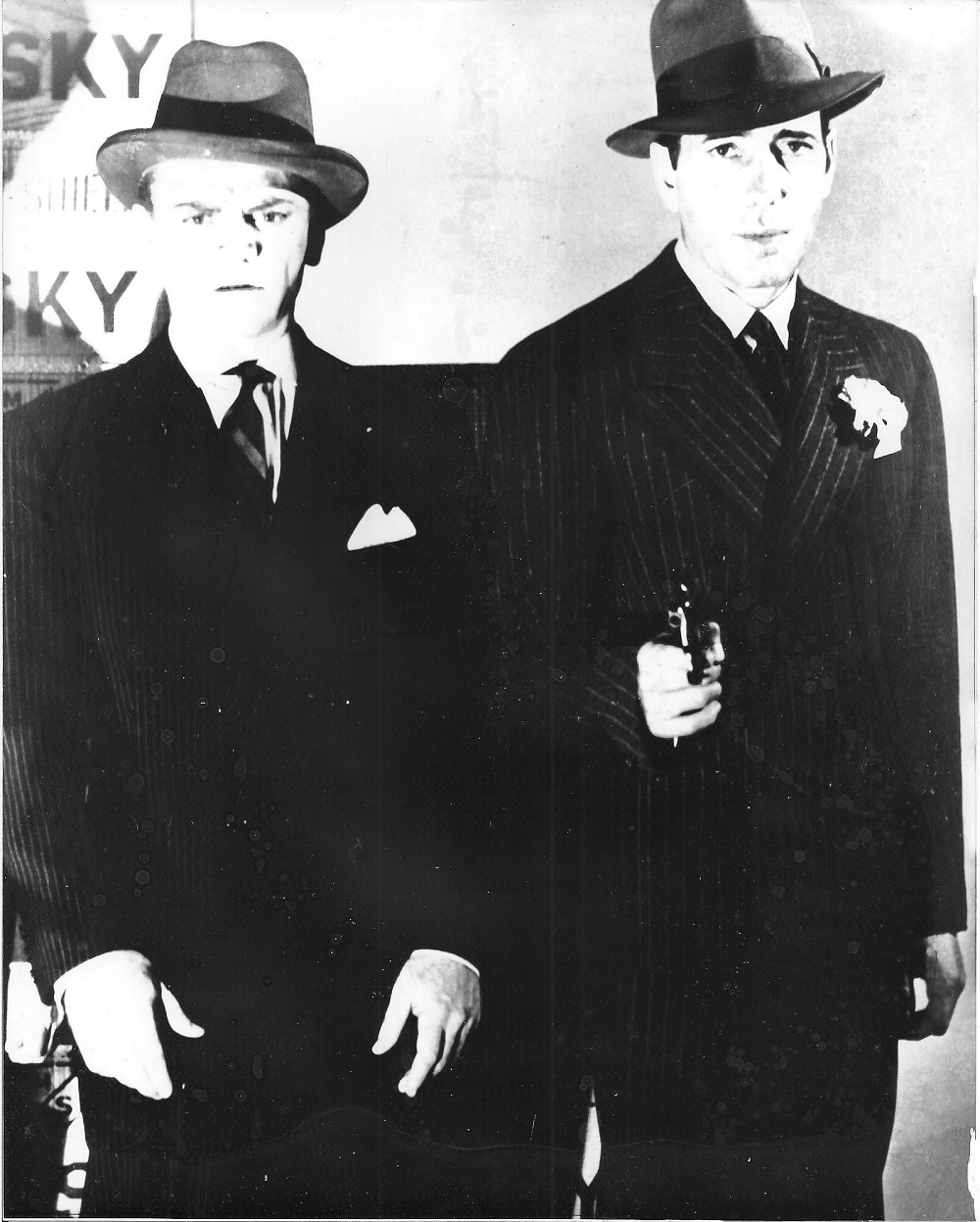
As a child, thanks to telly when they used to show such fare regularly, I was introduced to James Cagney and Humphrey Bogart and John Wayne and Errol Flynn. I was a Glasgow boy so it was the two-fisted stars I was drawn to. Later I learned to appreciate other kind of films – romance, musical, comedy, horror – but back then if a western or gangster or a sword-fishing picture was on, you’d find me sitting there and watching with rapt attention.

I can never forget Cagney’s final scene in ‘Angels With Dirty Faces’ as he is being led to the electric chair, at first defiant, then craven. Did his tough little mobster really show yellow, or was it in response to a plea by his best friend – a priest, no less, in the shape of Pat O’Brien – to not let the young men who idolised him be further impressed by bravery?

Likewise his death scene in ‘The Roaring Twenties’, on snow-covered church steps. He used to be a big shot but not anymore.

And Bogart, cracking wise as Philip Marlowe and being tough as Sam Spade, and getting all moody when Dooley Wilson tinkles out ‘As Time Goes By’ in ‘Casablanca.’ He’ll always have Paris but the problems of two people didn’t matter a hill of beans.

John Wayne, riding tall in the saddle (because it was on a horse). Twirling that Remington in ‘Stagecoach’, leading the cavalry in John Ford’s westerns, and telling James Stewart who really shot that varmint Liberty Valance. And, later, doing the twirling thing two-fisted and telling ‘Lucky’ Ned Pepper to fill his hand in ‘True Grit.’

Flynn, being helluva brave and noble as Robin Hood, saying “Welcome to Sherwood, milady” to a shimmering Olivia de Havilland (yeah, I noticed the ladies eventually) and swapping tough talk with Basil Rathbone over clashing blades.

That was my childhood (along with a host of TV shows, mostly westerns like ‘Cheyenne’, ‘Maverick’, Bronco’, ‘Bonanza’, ‘Sugarfoot’) and it extended into adulthood. I watch movies, I read about movies, I listen to movie scores (I present a weekly movie music show on Southern Sound radio – you can listen on the web every Saturday at 4pm on www.southernsound.org.uk), I have movie posters on my walls.

Yeah, I kinda like movies.

I used to write about them, too, as a critic with a local newspaper in the west end of Glasgow. That was fun.

I’m still writing about them, but these days it’s a little bit more subtle.

There are little cinematic Easter Eggs littered throughout my fiction. Some are obvious, some perhaps not so much.

In my latest book, A THIEF’S JUSTICE, (published by Canelo in hardback and ebook this week), there is a tiny little nod to ‘Raiders of the Lost Ark.’ If you read it, you can’t miss it.

Do you do it on purpose, I hear you ask, or is it accidental?

Well, I’ll tell you. (That single line there is a tug of the forelock to ‘Fiddler on the Roof.’ I can’t help myself).

I do it purposely. I believe that it doesn’t get in the way of the storytelling and it gives me an additional level of fun in the writing.

They don’t all make it to the final book. Editors will suggest lines are cut for various reasons, either they don’t work, or they get in the way of the narrative.

In the first Davie McCall book, BLOOD CITY, there was an entire section that never appeared in print concerning Davie and his friends settling down to watch the John Wayne western ‘Rio Lobo’ on TV, only to find it has been delayed by the storming of the Iranian Embassy in London in 1980. One character was not pleased at his viewing pleasure being disrupted by the live feed of the SAS freeing the hostages from the group who held them captive. However, the section didn’t add anything to the story, apart from providing a sense of the period and that had been established earlier.

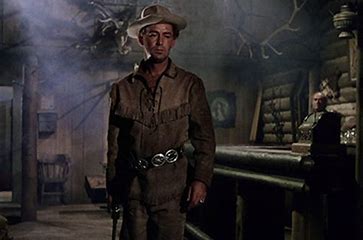
The entire series is inspired by the book and film ‘Shane’. That inspiration, a man who has grown tired of the life he has led, extends to the Jonas Flynt books today.

The Dominic Queste novels are one long tribute to movies and popular culture, thanks to Queste himself being a movie buff. ‘The Janus Run’ was effectively my own tribute to the action and conspiracy thrillers that I love from 70s and 80s, and the works of Robert Ludlum, although set in present day.

Even the Rebecca Connolly thrillers have movie references throughout. A line here, a reference there, a genuflection to something I love.

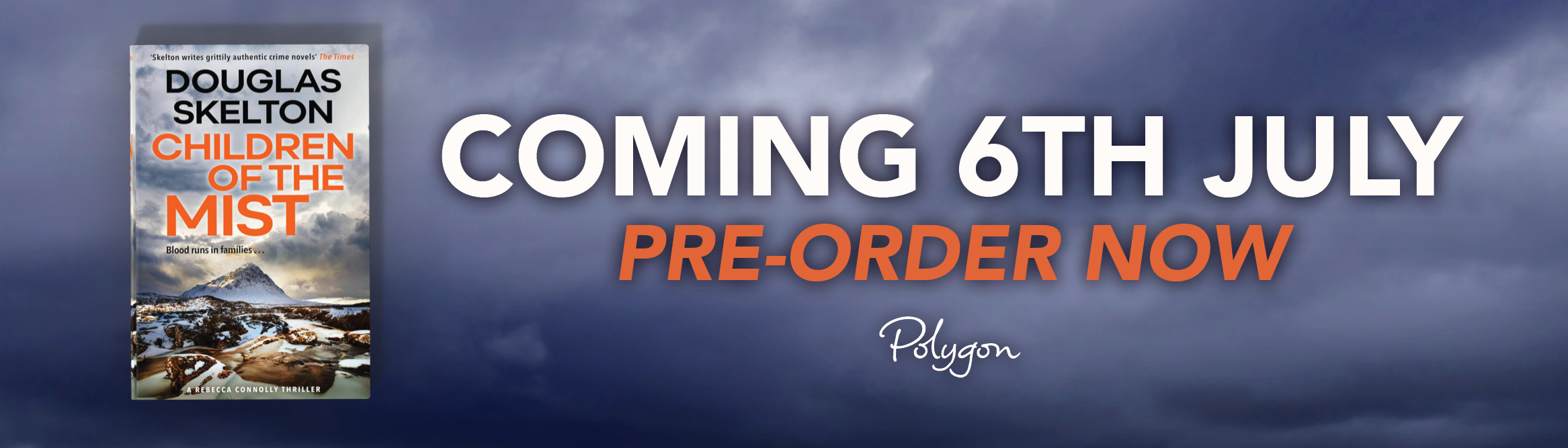
See if you can spot any in CHILDREN OF THE MIST, coming in July.

Maybe some day I’ll give you a list of my favourite films of all time. But right now, I need to go.

I’ve got a movie to watch…

A memory came up on Facebook the other day that kind of brought me up short.

Mostly these reminders are good, sometimes not so good. This one made me realise that, while I often think I waste too much time, it turns out I really haven’t.

It’s been ten years since my first novel BLOOD CITY was published. Some of you know that I had books out there prior to that but they were all non-fiction. My very first book was published in 1992. Which is quite incredible because I’m only 32.

Yeah, I’m snorting at that myself.

Anyway, 2013 saw me finally make the leap into fiction and here’s what I’ve done since:

Three further Davie McCalls;

Two Dominic Questes;

One stand alone in THE JANUS RUN (which wasn’t supposed to be a stand alone but them’s the breaks, kid);

One fact book about Scotland;

Five Rebecca Connollys (the fifth coming in July);

One novella, co-written with Morgan Cry (aka Gordon Brown);

Two Jonas Flynts (the second coming in May);

Three comedy plays;

One comedy sketch show;

And a partridge in a pear tree.

Add to that I’ve produced various short stories, blogs, podcasts and articles, have fronted one documentary and appeared in others, have appeared at festivals and events, including numerous attempts to find that plot with the Four Blokes.

Also, by the end of the year I’ll have written another Rebecca and another Jonas.

So that means in ten years I will have written 16 books, along with everything else.

No wonder I’m tired!

We won’t talk about the ups and downs of life and love, pandemics and when I ran out of milk. We all have hurdles we have to overcome.

Ok, Douglas, so what’s the point of all this? Are you just showing off?

I’m glad you asked that (yes, I am showing off). There is a point. And it’s this:

Sometimes you’re making progress and you don’t realise it. Writing is a lonely occupation, we sit alone at a desk and make stuff up. Speaking personally, that often does not come easily. There are days when I can barely string two words together, let alone reach my 2k target. However, I persevere because it’s my job. This is what I do.

As Stephen King once wrote, sometimes you’re doing good work when it feels like all you’re managing is to shovel shit from a sitting position.

Sometimes, though, what you’re shovelling really is a load of manure. But hey, that’s what subsequent drafts are for.

A lot happened in those ten years and when you’re on the merry-go-round of life sometimes the world just slips by in a blur and even though you think you’re only going round in circles you are actually getting somewhere. 

I am thankful that my books see the light of day. I am grateful I can make a living at this – I’m far from Mr King’s income bracket but I can pay the gas bill (so far).

Yes, sometimes life gets in the way. But there’s an old adage that writers write. One word follows another, one sentence follows another, one paragraph follows another. Soon you have a chapter, and then another and another and then you have a book. 

Another adage – they don’t need to be good, they just need to be written. Good can come later.

Sixteen books in the years. Yes, there were – and are – times when I think I cannot write and there are no more words. In truth, I’m feeling that now. But it will pass. The words will come, they will become sentences, etc., etc.

How? To quote Shakespeare in Love, I don’t know. It’s a mystery.

But then, I am a mystery writer.

Sort of.

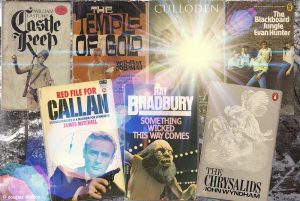
OVER on that Facebook place, I was challenged by pal Richard Bruce to come up with seven books that influenced me.

My regular reader – she’s a nice woman – will know that I’ve been influenced very much by Ed McBain’s 87th Precinct novels and the western ‘SHANE’. She also knows that one of my favourite books is TO KILL A MOCKINGBIRD and in the past I have praised Dennis Lehane’s MYSTIC RIVER.

I decided to find other titles for this list – books that I enjoyed, have read more than once, and that I still own.

Image (21)

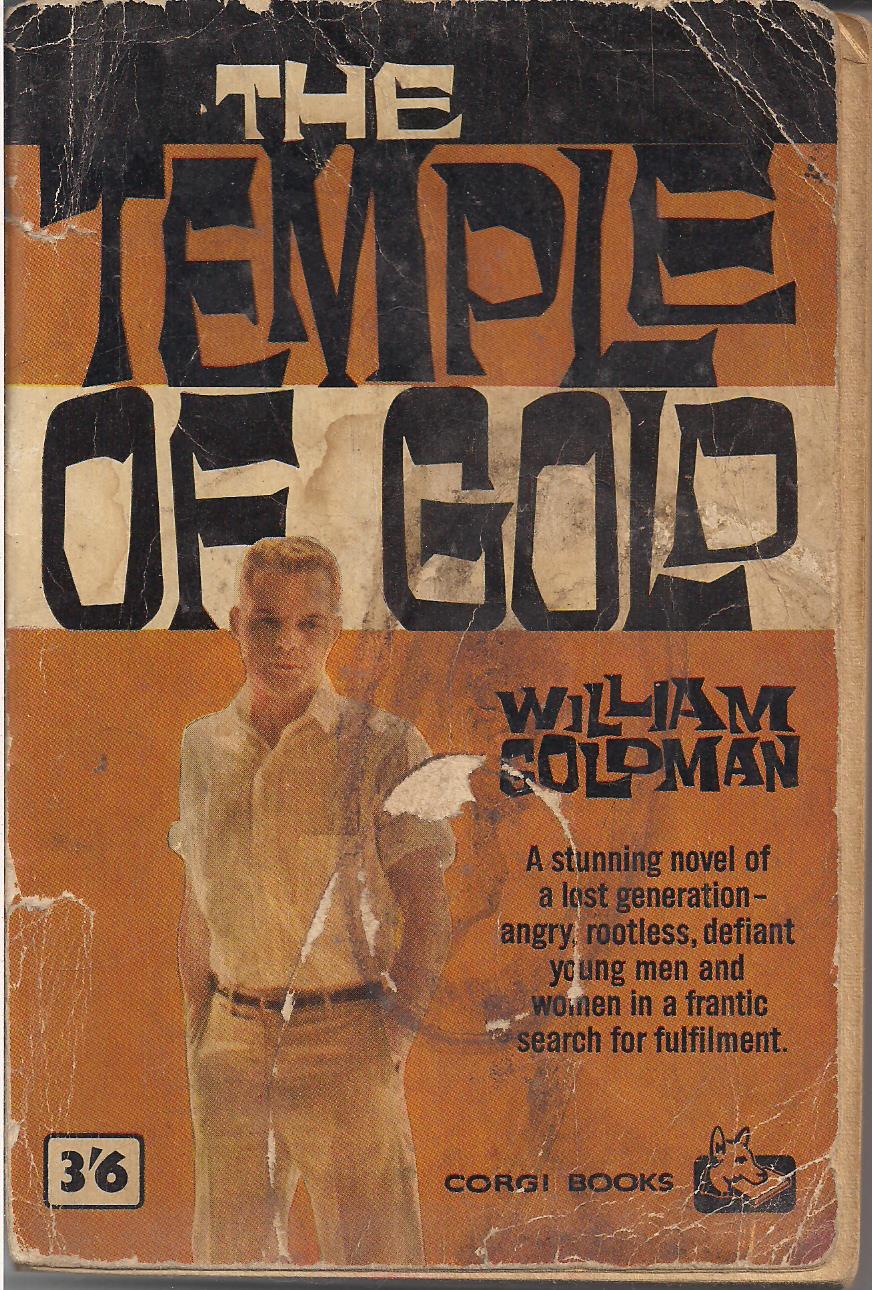
First up was William Goldman’s debut novel THE TEMPLE OF GOLD.

Written in the late 50s, this is a funny and tragic coming of age story.

Goldman’s narrative style is so wonderful, his dialogue so easy to read – he’s an Oscar winning screenwriter, remember – that whenever I return to it, and I’ve done so many times, I’m filled with admiration and, yes, envy.

Again, my regular reader will know that when I’m pressed to name my favourite film, my mind instantly turns to ‘Butch Cassidy and the Sundance Kid’, which Goldman wrote.

And just recently I was talking to crime writer and Carry on Sleuthing alum Michael J. Malone about Goldman’s other works and I heartily recommend ‘Marathon Man’, ‘Control’ and ‘Brothers’ as incredible thrillers.

Image (20)

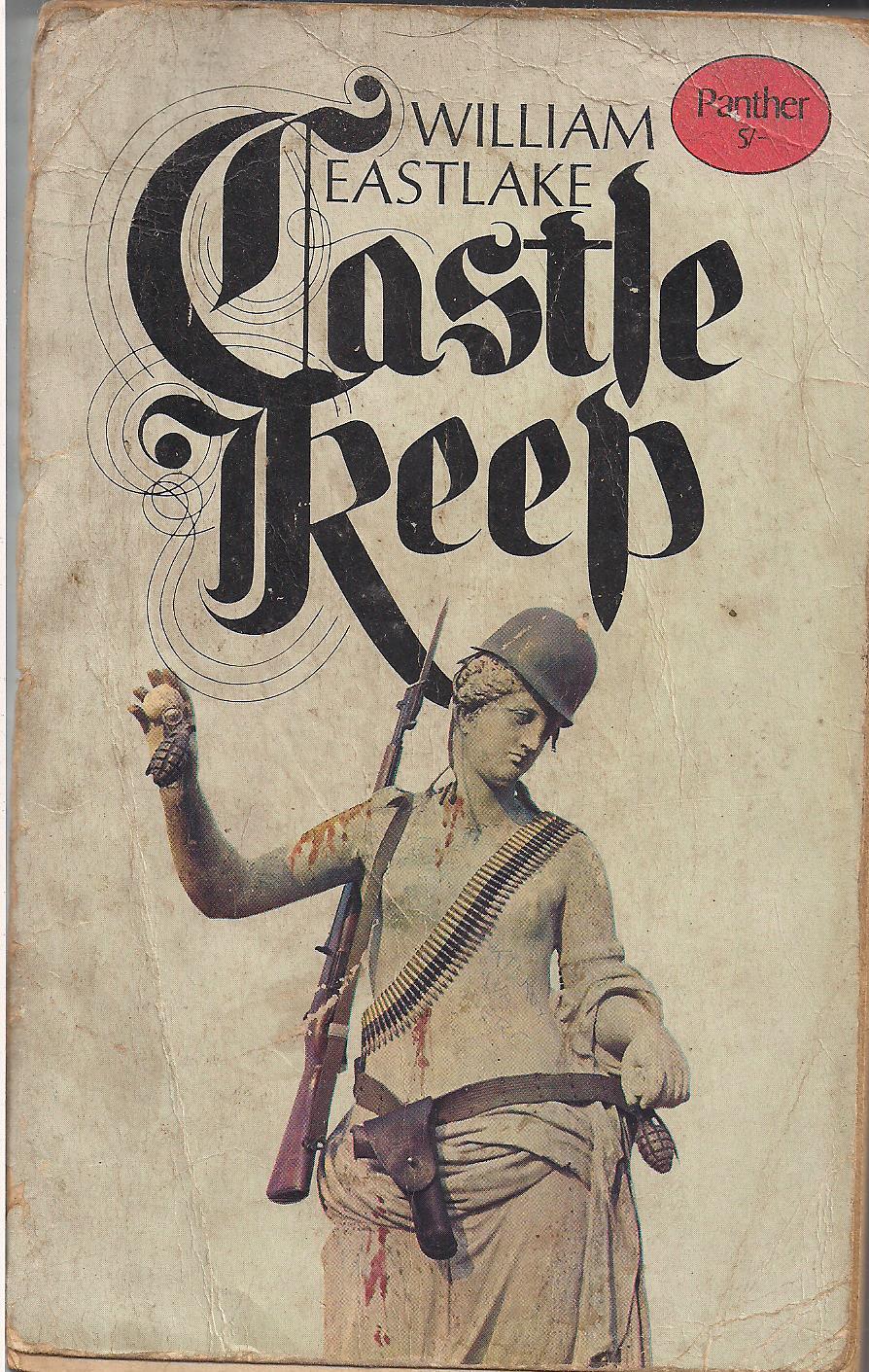
CASTLE KEEP by William Eastlake was a book I discovered in my teens. In fact, I believe this and TEMPLE OF GOLD were in the same bundle given to me by my nana (Yeah, go ahead, yukk it up, I called my gran my nana. Get over it).
It’s an anti-war novel about a disparate group of US soldiers occupying a chateau in the Ardennes on the eve of the Battle of the Bulge. Eastlake himself was in the US Army and fought at the Bulge, so there is a sense of truth underlining every crazy episode in the novel. It’s told from numerous viewpoints, each new chapter a different character talking in first person. What?! You can’t do that! But he did and it works. Sure, it’s rambling and unstructured but the characters are so well drawn, so varied, the dialogue so weird, wonderful and witty, the incidents wacky and, ultimately, tragic. It’s funny. It’s profane. It’s moving.

I would imagine very few of you have read the book, but you may have seen the 1969 film, directed by Sidney J. Pollack, starring Burt Lancaster and Peter Falk. It’s an unusual war film, couldn’t be anything but considering the source, but it failed to capture the anarchy of the novel.
Image (22)


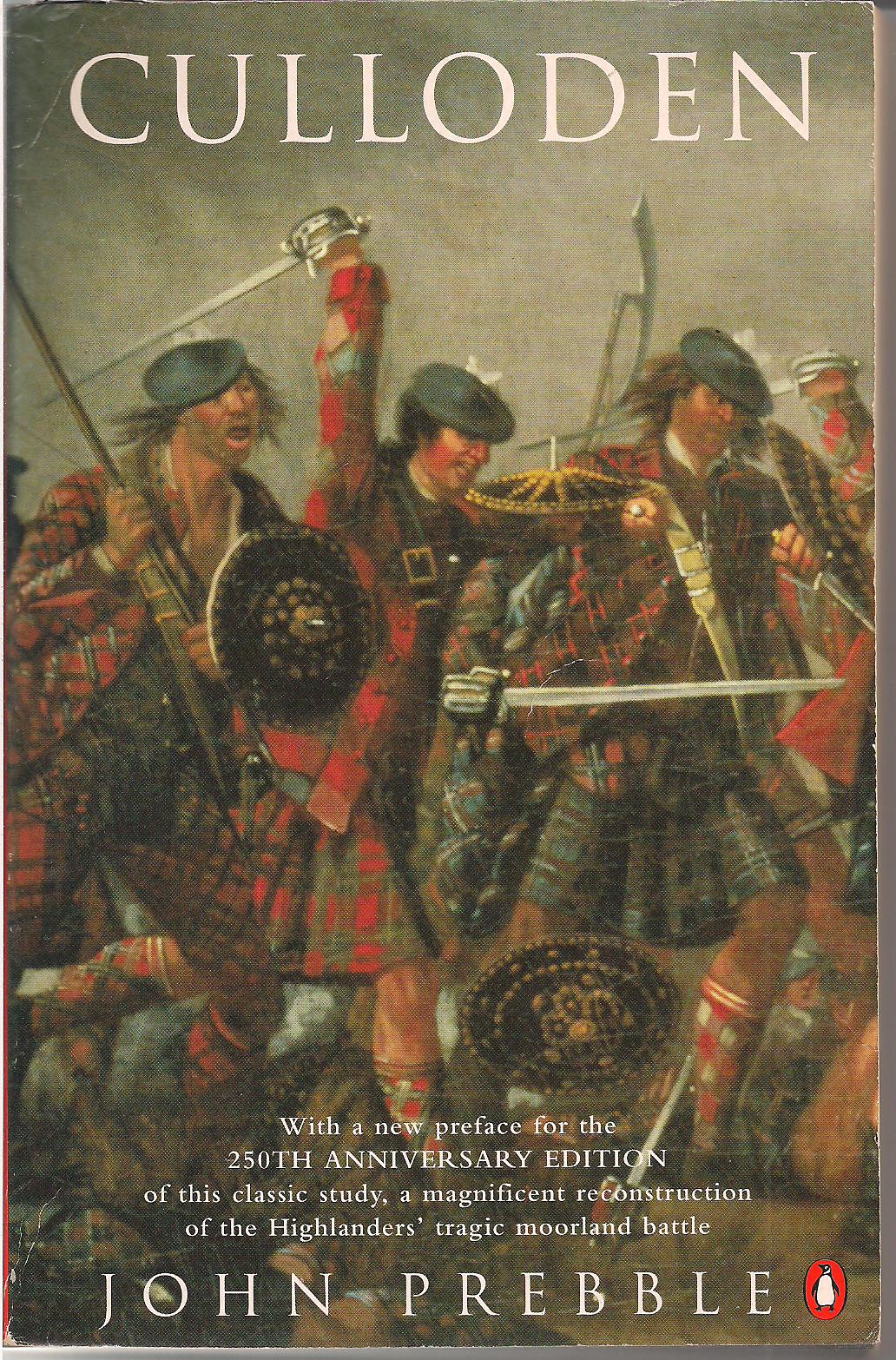
There was more war and tragedy in John Prebble’s CULLODEN.
Frankly, I could have picked any one of his books. His LION IN THE NORTH is a fabulous whirlwind ride through Scottish history. His book on travelling round Scotland has never been bettered. His account of the Highland Clearances is white hot with rage. Then there are his accounts of the highland regiment mutinies, the Darien Disaster and the bloody events of Glencoe. All absolutely terrific.
But I chose this one. It is wonderfully written, immaculately researched. It is fascinating and moving. It’s one of the best historical accounts ever published, as far as I’m concerned.

Packed with detail and told with the mind of an historian but the heart of a storyteller, it’s a dense read but a rewarding one. The battle was not simply a case of the Scots against the English. It was also brother to brother, father to son. The aftermath was brutal and bloody and it echoes through the centuries.

The battlefield is one of the most potently atmospheric sites I’ve visited and can only be profaned by the new housing schemes already agreed and the proposed holiday camp. We must protect it.
Image (23)

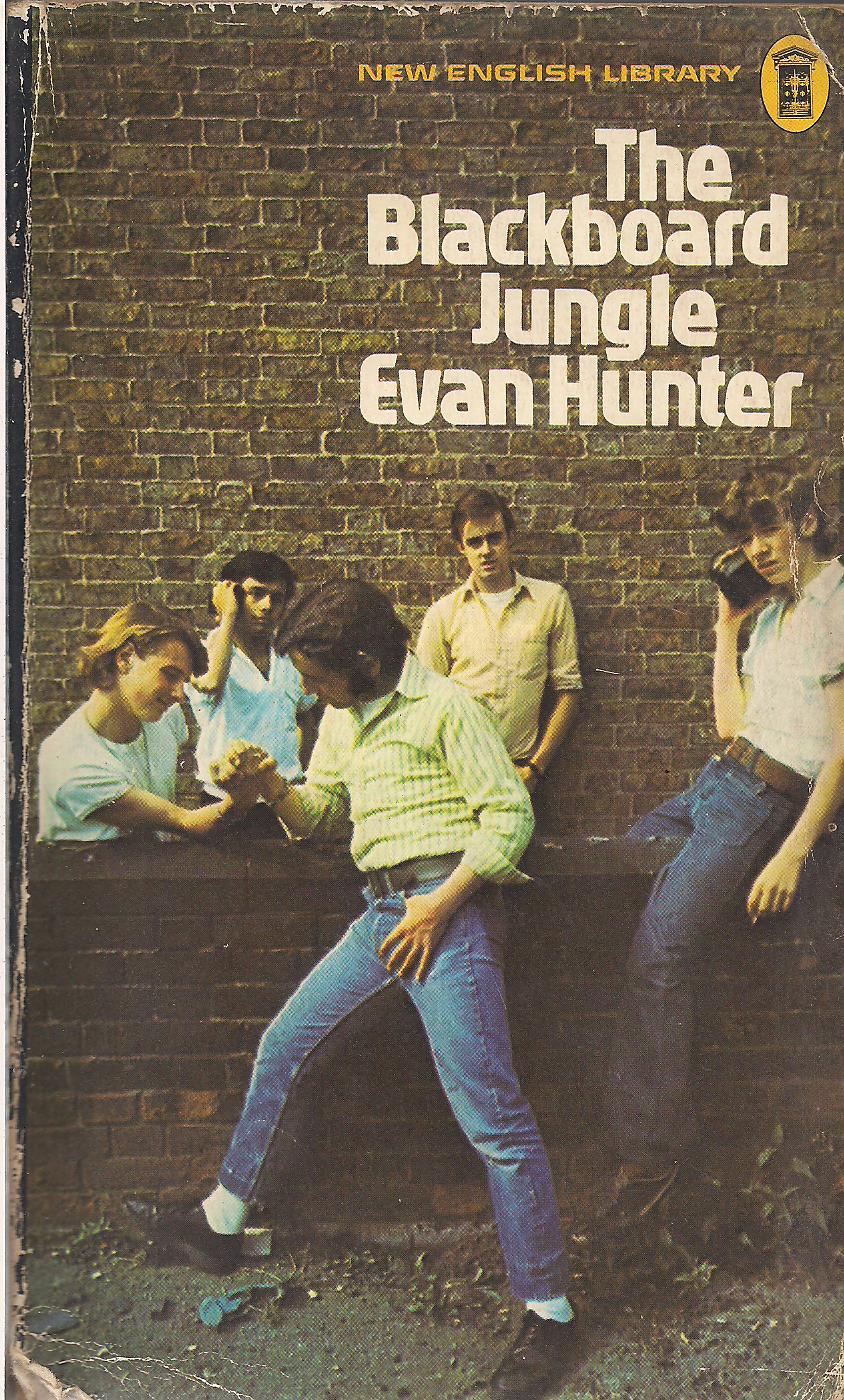
THE BLACKBOARD JUNGLE by Evan Hunter was, like most of these books, one I read in my teens. I was already a fan of Ed McBain and didn’t know that the authors were one and the same. And neither of them was his real name. It was, in fact, Salvatore Albert Lombino.

This book and the subsequent film with Glenn Ford, Sidney Poitier and Vic Morrow were controversial in their day. It kicked off the mini-genre of troubled school movies. The very title entered into the modern day lexicon. Is it slightly dated? Yes, but that’s not a bad thing. The language, considered shocking then, is tame now. But it still packs a punch and established Hunter/McBain, or any of his many pseudonyms, as a force to be reckoned with.

Image (24)

RED FILE FOR CALLAN by James Mitchell brought me back to the chilly, homegrown espionage landscape of the 60s and 70s.

I was a huge fan of the TV series, which ran from 1967 to 1972 and made Edward Woodward a household name. And, frankly, fantastic actor though he was, he was never better than this haunted, complex killer for HMG.
And who can forget the melancholy theme, a guitar melody with a bare light bulb swinging in front of a brick wall?
The book was based on James Mitchell’s own TV play ‘A Magnum For Schneider’, which introduced us to David Callan. It was so successful a series followed. It also later formed the basis for the 1974 big screen spin-off. I have three further titles in the series – Russian Roulette, which Russell Hunter once told me he wished would be filmed because it had a belter of a role for Lonely (the character he played), Smear Job and Death and Bright Water. And Callan’s influence on me? If you’ve read the Davie McCall novels, you’ll see them. Both characters are flawed, loners who are part of worlds they don’t really want to be, but their skills find them trapped.
Image (25)


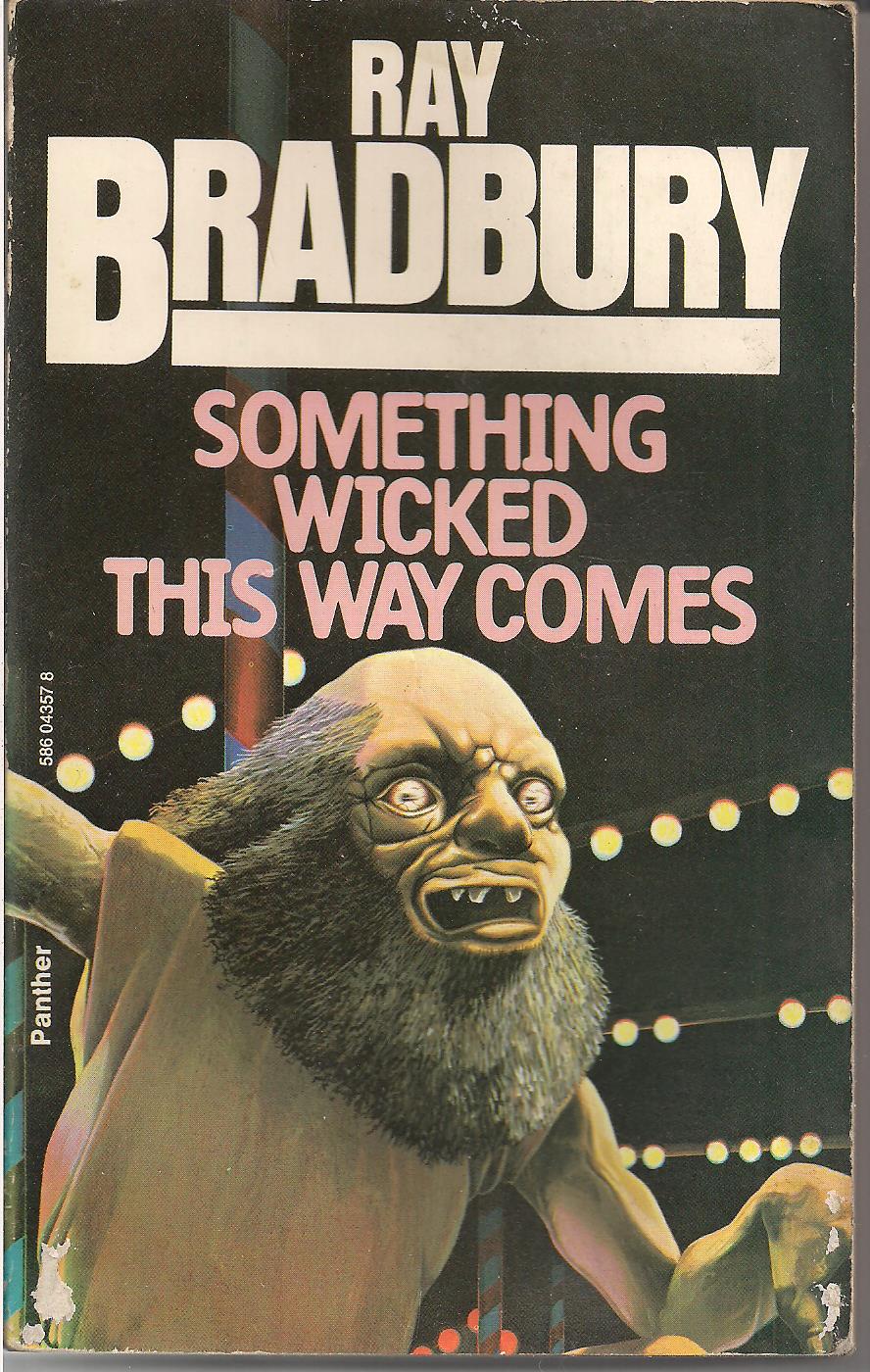
I found Ray Bradbury’s SOMETHING WICKED THIS WAY COMES in the library at secondary school. I liked it so much I bought my own copy. At the time I was reading a lot of horror and a few bits of science fiction. I mean, a LOT of horror. Dracula, Robert Bloch, those Pan compendiums, the Alfred Hitchcock collections, plus all sorts of things I wouldn’t go near today. This book, though, is more than horror, or fantasy. It’s a right of passage. It’s about family. It’s a look at small town life. It’s a yearning for lost youth. And it’s both poetic and creepy in equal measure. I love it.

It was also filmed, back in the 80s. Produced by Kirk Douglas’s other son Peter (the man himself was an executive producer), it was a very decent stab at bringing Bradbury to life but lacked the magic of the printed page, despite Bradbury himself providing the screenplay, although British writer John Mortimer was called in for rewrites.

It boasted a fine score by James Horner, who replaced French composer Georges Delerue. I have the rejected score in my collection but not the Horner one, which is a shame.

Image (26)

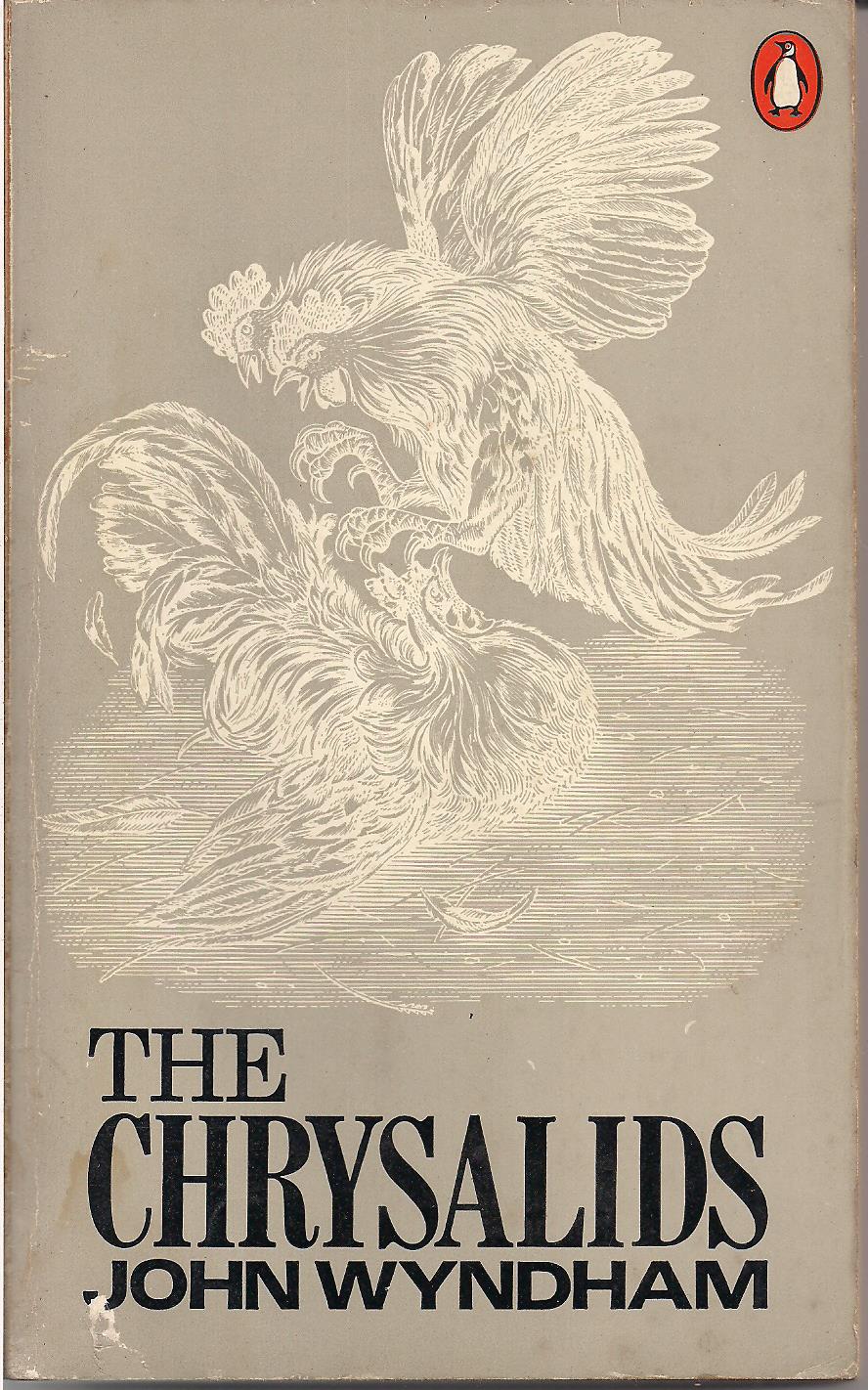
My final pick was a difficult choice. The more I thought, the more titles I came up with. Next week I could probably come up with seven new ones. Anyway, I have plumped for this from John Wyndham (real name John Wyndham Lucas Parkes Beynon. Need a helluva big cover for that) I’ve read a number of his books and I could have gone for any one – Day of the Triffids, Kraken Wakes, Midwich Cuckoos, Chocky, the Trouble With Lichen. But I chose THE CHRYSALIDS. I really can’t explain why. Perhaps in the current political climate it resonated. Nowadays this tale of a post nuclear world peopled with religious zealots eager to root out deviations and abominations would be called YA. Perhaps not. Triffids has been filmed a few times for screen and TV. Midwich became Village of the Damned in 1960 and spawned a sequel, Children of the Damned in 1964. ‘Village’ was remade in 1994 by John Carpenter, but not very satisfactorily. Chocky was turned into a children’s drama. It’s time someone turned their attention to the Chrysalids. It would make a great film. All I can say is that Wyndham remains one of the UK’s foremost science fiction writers.


So there we are. Seven books over seven days. And I’ve already thought of seven more…


I’ve been trying something different recently.

No, it’s nothing like that so stop sniggering at the back!

Chance would be a fine thing, right enough.

No, this was something different in writing styles.

I needed to challenge myself, to stretch myself, to step outside my comfort zone.

But here’s the thing – I was struggling. I wasn’t being drawn back to it. It wasn’t lighting my fire. And if it wasn’t lighting my fire, how could I expect to light someone else’s? Yes, I’m still talking about writing – please wipe that smirk off your face.

Finally, today, I had an epiphany. They’re very nice with some jam and a cup of coffee.

After that I had a breakthrough and I realised my problem. I was straying so far from my comfort zone that I was no longer being me.

You see, I was trying to avoid any humour. I mean, none at all. Not a quip, wisecrack, one–liner, witticism, joke, jibe or witticism. Not even a bon mot.

And that, dear reader, just ain’t my thing.

There’s a scene in the book and film MAGIC, a great scene from writer William Goldman and superbly played in the film by Anthony Hopkins and Burgess Meredith with ace direction from the late, much lamented Richard Attenborough. It’s when Corky’s agent, The Postman (because he always delivers, God, do I need someone like that!) challenges him to not speak for five minutes without resorting to his dummy, Fats.

Corky says no bother, big man, (not those exact words but something along those lines) and puts Fats to the side. The Postman lights up one of his big cigar and waits.

Corky keeps talking. This is easy. This is sooo easy.

The seconds drag by.

Corky begins to grow flustered. This is cruel, he says.

The Postman knows.

How long?

Thirty seconds.

It goes on a little longer, Corky becoming more and more anguished until, finally, he snaps and grabs Fats and launches into a virtuoso tirade.

He lasted two and a half minutes.

Well, that was me, although I lasted for a few weeks with nary a smart line. Until this morning when I returned to the text, dragging my feet, and suddenly realised why.

You see, it’s a very dark story but it still needs light. I’ve written dark stories before – hell, the Davie McCall books are fairly bleak – but there was always humour.

Within two hours I’d done 1500 words. I’m not saying they’ll make the final cut but it’s a first draft and they’re all about getting the words down. My protagonist – for the first time a female – is now sparkier. Believe me, she’s going to need that sense of humour for what I’ve got planned ahead of her.

I’m not going full Dominic Queste but I think she’s all the better for it.

The moral of this story is, a writer has to be what he/she is. We cannot be the square pegs being forced into someone else’s idea of a round hole. I was trying to do something that I hate – write a book with no humour. And I was suffering for it. Other writers could pull it off and produce a great book. Not me. I need to know there’s someone around with a ready quip or an off–kilter view of the world.

As I say, maybe this book will never see the light of day. It’s happened before.

But I now have a better chance of actually finishing it.

Last night I attended a prizegiving at Lesmahagow High School. My job was to shake hands, congratulate each prizewinner and then pass them their certificate or trophy. I managed it without any serious difficulty. After all, the heavy–lifting had been done by the pupils themselves and the on–the–ball staff members who ensured that the correct pupil received the correct prize.

The pupils I met were bright, energised, engaged and active. Young people get a bad press these days but they’re not all video game playing hoodie drop–outs.

However, it got me to thinking about my own school days. They weren’t so long ago – after all I’m only 30.

I’ll pause here to allow those who know me to guffaw and snort tea down their nostrils.

Apparently on my first day of primary school I came home at lunchtime and announced I wasn’t going back because ‘I knew it all.’

I don’t recall this and I’m not sure what particular all it was I knew but that arrogance didn’t last long.

Truth be told, I was not the brightest bulb in the box. I’m still not.

Neither was I proficient at anything sporty. Science was beyond me. And maths and arithmetic were a mystery. That’s still the case, apparently, because just recently someone told me the plot of one of my books just didn’t add up.

What I could do, though, was string words together. Sometimes even in the right order. And I could make shit up. As an adult, I eventually gravitated towards an occupation where being able to string words together and make shit up came in handy.

Naturally, I became a journalist.

(I’m kidding. No angry letters from outraged reporters, please!)

School has changed, though. In my day, computers were something in ‘Star Trek.’ Even calculators were akin to science fiction. My fingers were my calculators. For complex sums the shoes and socks came off. Not a fragrant experience on a hot day. And examiners frowned upon a question like ‘what is 5×4’ being answered with ’10 plus 10 little piggies.’

However, as I said, the complexities of mathematics were beyond me. I thought a logarithm was a dancing lumberjack. And when a friend told me he’d passed Highers in French, German, Latin and Algebra, I wondered how you said ‘Good Morning’ in the latter.

During last night’s ceremony, a terrific speech from the outgoing school captains underlined the value of friendship.

Friendship is important. I still have a few friends from my youth. I don’t see nearly enough of them (one is the brains behind this very website) but they mean a lot to me. And they know that everything I’ve said above is very nearly true. They’re also the ones wiping the expelled beverage from their upper lip.

It is also a theme in my fiction. Davie McCall is very much a loner but where would he be without Bobby Newman? Or Arrow, Davie’s dog n the final two books? And Dominic Queste has strong support group in the Sutherland Brothers and Father Verne.

There are a couple of lines about friendship from the film ‘Stand by Me’ (I’m not sure if they’re in the original Stephen King novella, ‘The Body’). One is, ‘Friends come in and out of our lives like busboys in a restaurant.’

That’s is true. Friends can come and go.

The other line is this – ‘I never had any friends later on like the ones I had when I was twelve. Jesus, does anyone?’

That is both true and false.

There’s something about friendship when you’re young. It’s not something you think about at the time, analysis comes when you’re an old fart, it’s just something that is. Friends at that stage are more important than anything, even family.

As you grow older, you drift. Pressures of work, of family, of life take precedence. Soon those people who you roamed the streets with, who you played with, who you fought with, who you thought would be there forever are gone. Maybe in later life you hook up – a reunion, more likely a funeral – but something has gone.

So I think myself lucky that I’m still at least in contact with a couple of people who knew me way back then.

Of course, I’ve made more friends since school. Good friends. Close friends. Friends I rely on. Friends I know will be there when the solids hit the air conditioning. Friends I no doubt piss off regularly but are still there. Some are authors, some are not. Some are recent, some I’ve known for years. But they, like my old school chums, remain as vital a part of my life as the need to breath. I’m glad I have them.

The school captains last night said their friendship would last.

Wouldn’t it be great if they’re right?


I made an astonishing discovery this morning in the shower.

Okay – stop sniggering at the back there.

What I realised was that this year marks the 25th anniversary of me having my first book published.

25 years.

Quarter of a century.

A silver jubilee.

A quadranscentennial. (What? It’s a word.)

I know! Unbelievable, right? And I’m only 40!

Coughs. Looks away. Has decency to look slightly shame-faced.

This year I’ll see my 17th book published.


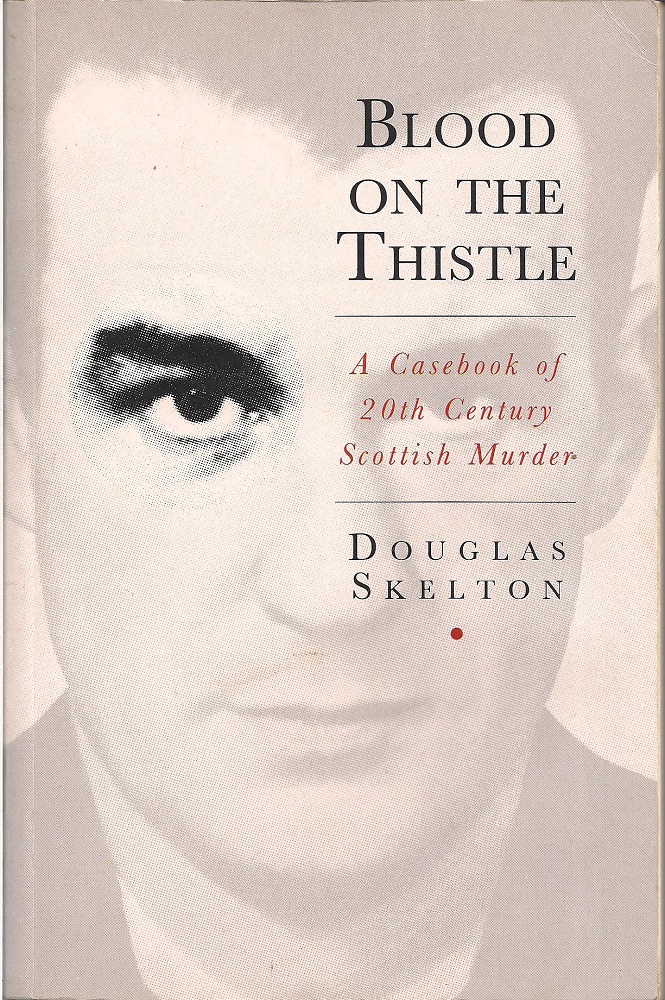
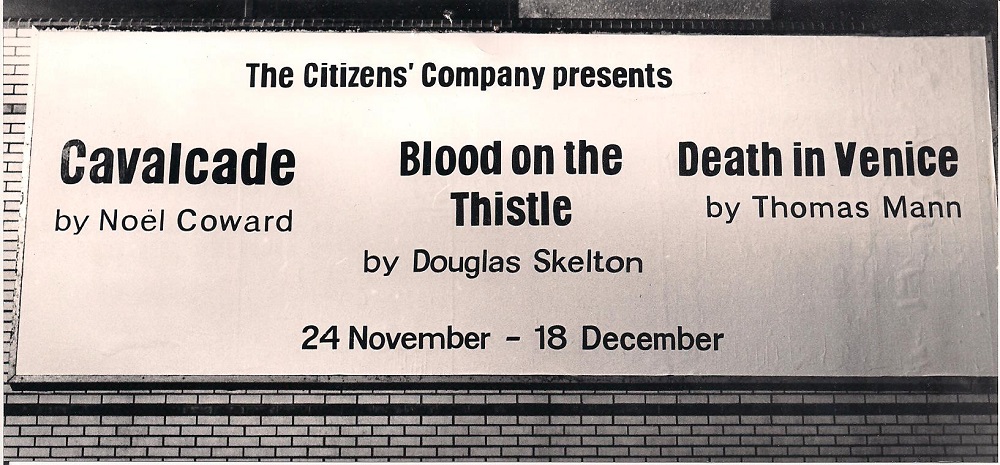
It was in 1992 that my first true crime book, ‘Blood on the Thistle’, hit the shelves. It did fairly well, was released as a mass market paperback by HarperCollins a few years later. Was dramatized for the Citizens’ Theatre in Glasgow.

Blood web

Citizens

It’s not available now and the rights have reverted to me.

It was followed later that year by ‘Frightener: The Glasgow Ice Cream Wars’, written with my pal Lisa Brownlie. That was the start of a ten-year odyssey for me as I became involved in the campaign to cast some light on a disturbing and horrific crime in 1984. Eventually two men were cleared by the appeal court but questions yet hover over the case – importantly, who did set the fire that killed six people, including an 18-month-old child? Sadly, we may never know even though I remain convinced someone, somewhere, knows the truth.

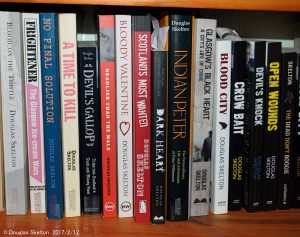
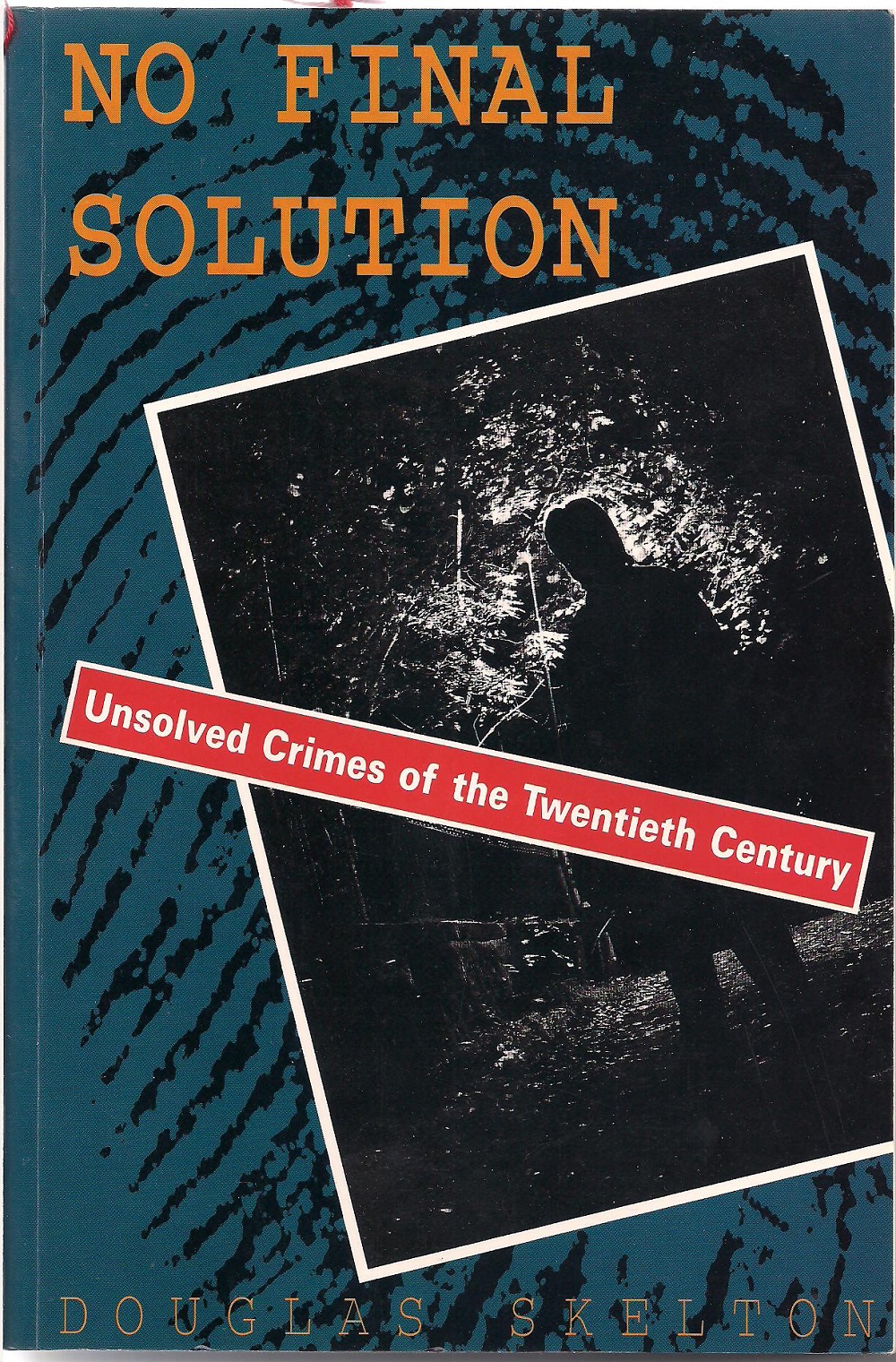
More true crime followed, ‘No Final Solution’ and ‘A Time to Kill’, ‘Deadlier Than the Male’, ‘Bloody Valentine’, ‘Scotland’s Most Wanted’. Most I’m happy enough with, one I’m really not (that’ll be the last one named. It’s not a book I’m terribly proud of, it was done purely for money and this is the most I’ve talked about it since the damn thing was written.)

Image (24) webDeadlier_Than_The_Male__Scotland_s_Most_Wicked_Women_eBook__Douglas_Skelton__Amazon_co_uk__Kindle_StoreBloody_Valentine__Scotland_s_Crimes_of_Passion_eBook__Douglas_Skelton__Amazon_co_uk__Kindle_Store

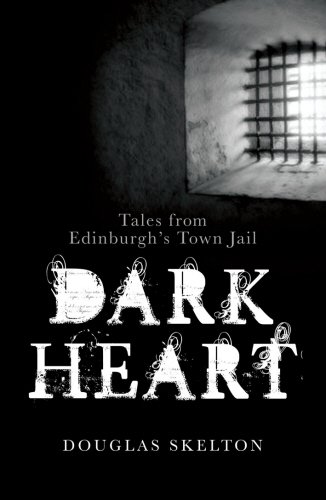
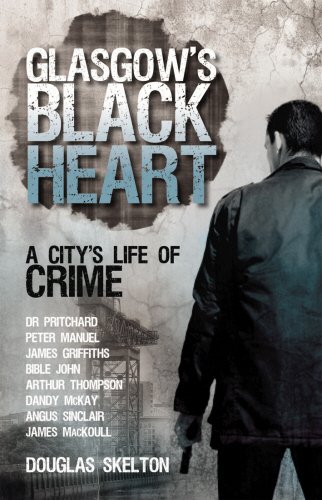
However, I became totally disenchanted with writing about fairly recent true crime, largely thanks to ‘Scotland’s Most Wanted’. There were other books which were born directly out of ‘Deadlier than the Male’ and ‘Bloody Valentine’, which featured a number of historical cases. I discovered I was more interested in older crimes and so were born books like ‘Dark Heart’, the history of Edinburgh’s town jail, the Tolbooth, and ‘Glasgow’s Black Heart’, the story of Glasgow crime from 1800 onwards.

41tHujfS7cL 51W4N7HdEzL

Then there was ‘Indian Peter’, which was more of an true life adventure tale than a crime story even though there was some courtroom drama.

indian_peter

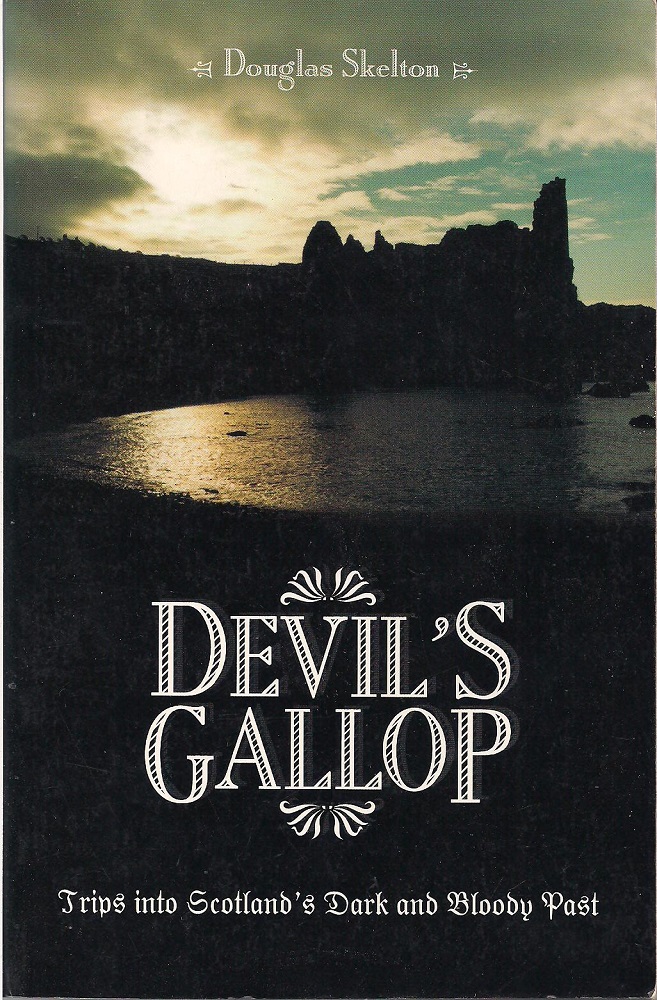
And in between all those was one oddity – ‘Devil’s Gallop’. This was a tongue-in-cheek romp around Scotland telling tales both factual and mythical.

Devils gallop web

But then, in 2009, I stopped.

I’d gone about as far as I could, or wanted to, with the factual stuff. I was asked to do more, I’m still asked, but I’ve resisted.

What I really wanted to do was write fiction. Mind you, after ‘Frightener’, there were some Glasgow cops who believed I’d been writing that all along.

I’d been dabbling for years, of course, but nothing took. And it would take another four years before I broke into the market with ‘Blood City’, the first in the Davie McCall quartet. Or quadrilogy, if you prefer.

1

Now I’m looking forward to the publication of my sixth novel, TAG – YOU’RE DEAD, which is the second Dominic Queste thriller. It’ll be out in April, by the way.

Tag taster

25 years.

That’s five lustrums, if you know your John Wayne films (see ‘Rooster Cogburn’).

Will I manage another quadranscentennial? (It’s still a word, at least according to the interweb thingy).

I’ll take two aspirin and you can ask me in the morning.


“How much of you is in your characters?”

That’s a question often asked of authors. Along with ‘where do you get your ideas?’ Both are good questions and we’re always happy to answer them. Let’s face it, most authors are attention-seekers and we’ll talk about our shoe size if we’re asked.

Anyway, how much of me is there in my characters?

Naturally, there are bits and pieces, here and there, hither and yon, throughout the vast panoply of my character list. Look at me, using the word panoply like a grown-up. It’s actually a complete suit of armour but I’m using it in the figurative sense because the people we create can be a crime writer’s defence against the world. We wrap them around us in order to explore the darker sides of human nature. The bad stuff happens to them not us. Again, get me!

There isn’t much of me in Davie McCall, to be honest. He has my awkwardness in social situations. He has my inability to express real emotion. He has my love of animals.

I’d like to be more like him but I’m not.  I’d like his stillness and his ability to not say stupid things and make a fool of himself. I’d also like his physical prowess. In short, there are some people I’d really like to batter seven shades of stuff out of. I know that’s not very 21st Century of me but, to quote Die Hard 4, I’m an analogue guy in a digital age.

There’s a lot more of me in Dominic Queste. A hell of a lot more.

Let me count the ways…

His mouth runs before his brain has even turned the ignition. Frankly, I can blurt for Team GB. Dom, though, is a lot faster with a one-liner than me, because I often think of the perfect sting sometime after it was needed.

His fashion sense is, shall we say, stunted. I’ve been mocked by an unmade bed.

He loves movies and often thinks he’s in one. I once thought I was in the film version of 50 Shades of Grey but it turned out to be a black and white Three Stooges film in need of a digital clean-up.

He loves film music, listens to it all the time. So do I. In fact, I often find I can’t write without a fitting score in the background.

I’ve even found Dom an unofficial theme tune:

It’s the theme to the 1975 version of Raymond Chandler’s ‘Farewell My Lovely.’ Written by David Shire, it was perfect in my mind for Queste, because beneath all the glib wisecracks there lurks a melancholy soul. Something else we share.

Davie McCall also had an unofficial theme tune:

Like Dom, I don’t JUST listen to film music. It’s always been one of my favourite tracks from The Who and the lyrics seemed to fit Davie to a T.

While writing the next book in the series, ‘Tag – You’re Dead’, I used the score to the 1962 film ‘The List of Adrian Messenger’.

I’m a huge – H-U-G-E – fan of composer Jerry Goldsmith and his music to this off-beat black comedy thriller was just the job for what I hope is my off-beat black thriller with humour.

I don’t share Dom’s predilection for controlled substances. I’ve never experimented with drugs and that’s the God’s honest, guv’nor. Apart from an ill-advised encounter with a cigar when I was a teenager, which led to Exorcist-style vomiting, I’ve never even smoked! Neither has Dom, come to that.

Dom is suspicious of posh nosh. He’s a fish supper and instant coffee kind of guy. Not for him nouveau cuisine and fancy beverages. I even had to look up nouveau to see how to spell it. I often feel I need a language degree to order an Americano, Latte, Espresso or double nut, non-caff mocha with a sprinkling of organic, fat-free fair-trade chocolate and just the merest whisper of cinnamon. I typed that last one like Niles Crane in ‘Frasier’. I even dusted off my chair.

I remember a friend giving me some Earl Grey Tea. It was like drinking perfume. Gimme a straight cup of Tetley’s any day (other brands are available).

Perhaps it’s because Dom is so like me that I find him easier to write.

And I’m all about making it easy.

Now, if I could think of an easy way to round this off, that’d be cool!


In case you haven’t been on my Facebook page, Twitter feed or passed by any of the rooftops I’ve been shouting it from, I have a new book hitting the streets on September 8.

After four Davie McCall books, I decided a change of pace was called for. After all, writing Davie can be somewhat draining. He is, as regular readers will know, on the taciturn side. Everything about him is internal and his one-liners are rare enough for conservationists to tag them and track them in the wild.

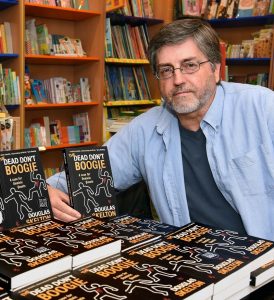
Dominic Queste, the central character in THE DEAD DON’T BOOGIE, is different.

Where Davie is  tight of lip, Dom is so loose ships at sea issue Maydays.

I like to write dialogue and I like to add some humour. In the Davie McCall books it was the supporting characters who had all the fun, particularly Bobby Newman, Frank Donovan and Jimmy Knight.

With the Dominic Queste books (and I do hope there will be more) I can give full rein to my love of fast-flowing banter while also throwing in hefty dollops of action, mayhem and, because it’s me, darkness.

There is more of me in Dom than there is in Davie. I’ll leave it to those readers who know me to work out what parts of him are me and what parts are the way I’d like to be.

To be honest, I’d rather be more like Davie. He never says anything he doesn’t mean, he seldom says anything out of place (being taciturn does have its advantages) and he has a very direct way of dealing with those who annoy him. There are times when I wish I would just shut up. I’m sure others feel the same. That’s something I share with Dominic.

The Davie McCall books were thrillers that took a gritty, grounded-in-reality approach to story-telling.

With Queste the sky’s the limit. The first one is an action thriller designed to go like a Duracell bunny on laxatives. I didn’t burden myself by second guessing if an action scene was plausible, I just did it. So if I wanted to have a shoot-out in an east end park or a riverside car park, I damn well had them.

The approach also made me cut back considerably on the swearing. I’m sure there are people who are glad to hear that. The body count remains high, though.

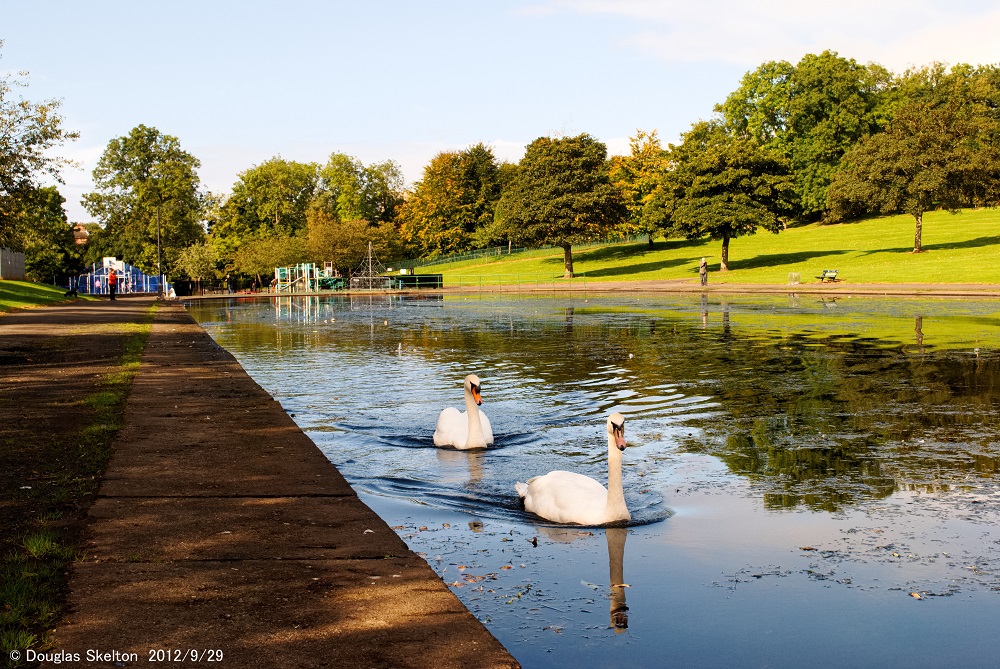
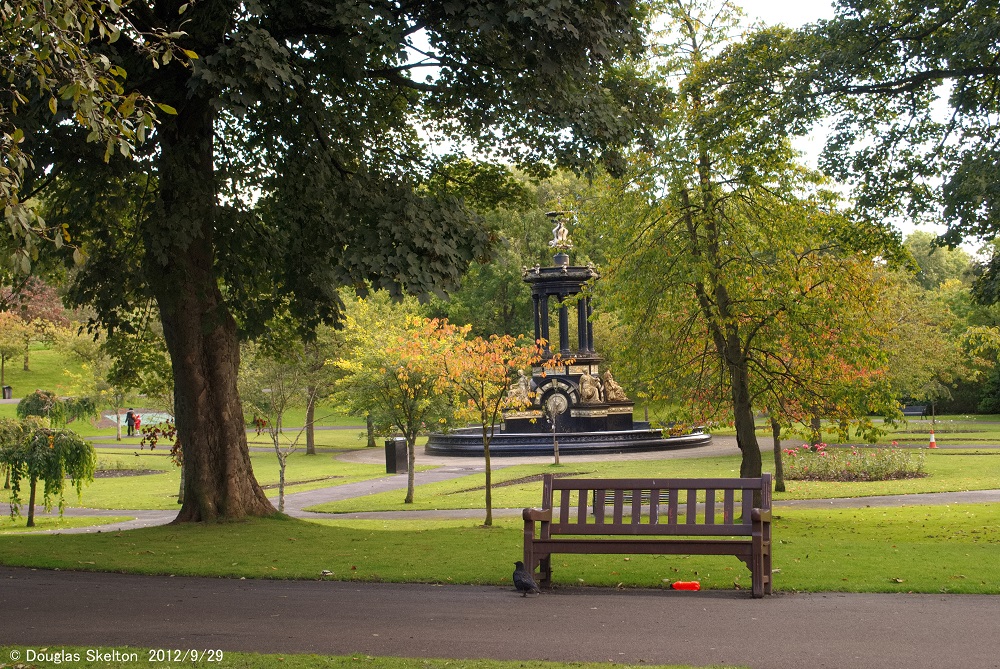
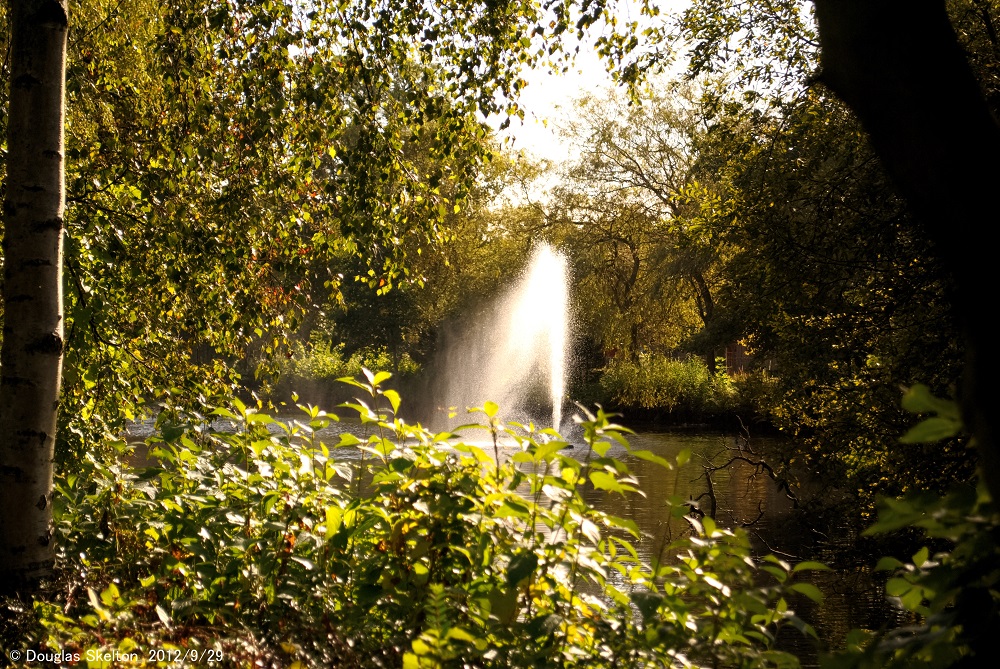
Alexandra Park-1 web Alexandra Park 2-1 web Alexandra Park 3-1 web

(ABOVE – Three peaceful views of Glasgow’s Alexandra Park. Each of these locations features in the new book. They’re not peaceful for long)

I hope you enjoy the first Dominic Queste book. I hope you buy it.

Otherwise I’ve wasted my time these past few months writing the second one, TAG – YOU’RE DEAD.

THE DEAD DON’T BOOGIE  (Contraband) will be launched in Waterstones Ayr on Thursday September 1, with Michael J. Malone in the chair, and then in Waterstones Argyle Street, Glasgow, with Caro Ramsay wielding the clipboard, on Thursday September 8.

Let’s talk about sex, baby.

The fourth and final Davie McCall book is due out next February. As with the previous three I had a sex scene. As with the previous three, said sex scene was dropped before it reached my editor.

You could say it was prematurely ejected.

Why?

Well, they were badly-written but that’s not uncommon in sex scenes, apparently.

But really, when I came to read them, I was just embarrassed.

To paraphrase ‘Shirley Valentine’, there was a lot of pushing and shoving and I still came out with very little.


I’m no prude. People can do what they like as long as they don’t involve children or frighten the horses.

And don’t get me wrong – I like sex (from what I can remember).

I’m very much an innocent abroad, you see. There are things that people get up to that are beyond my ken. For instance, there were phrases in Matt Bendoris’s book ‘DM for Murder’ that were foreign to me and I had to get a pal to explain them.

I blushed.

I think this naivete extends to my writing.

Which means that the only uglies Davie McCall gets to bump are the thugs he’s chastising.

I’m writing something new at the moment and I put a sex scene in the very first chapter. Yup, I went for it. There was rumpy. There was bumpy. There were all sorts of bits being grasped and groped.

It’s already gone. I was ashamed of myself.

It must say something about my psyche that I’m happy to have scenes of violence and kill characters off when the notion takes me but I balk at the idea of presenting the act of physical lurrve.


I read an article today about an up-and-coming writer called called Ian Rankin, who is destined for huge success. He said that when it came to doing the wild thing in print, his editor argued that it’s best left to the reader’s imagination.

Thank God, because my writer’s imagination just isn’t up to the job.

It could be argued there is no place for it in thrillers, but that’s not necessarily true. As long as it’s integral to the plot, as they say. Ladies and gentlemen, I give you ‘Basic Instinct’ as exhibit one.

I’m not saying that’s a great film, because it’s far from that, but the naughty bits were important. Actually, that’s what it was all about.

sex

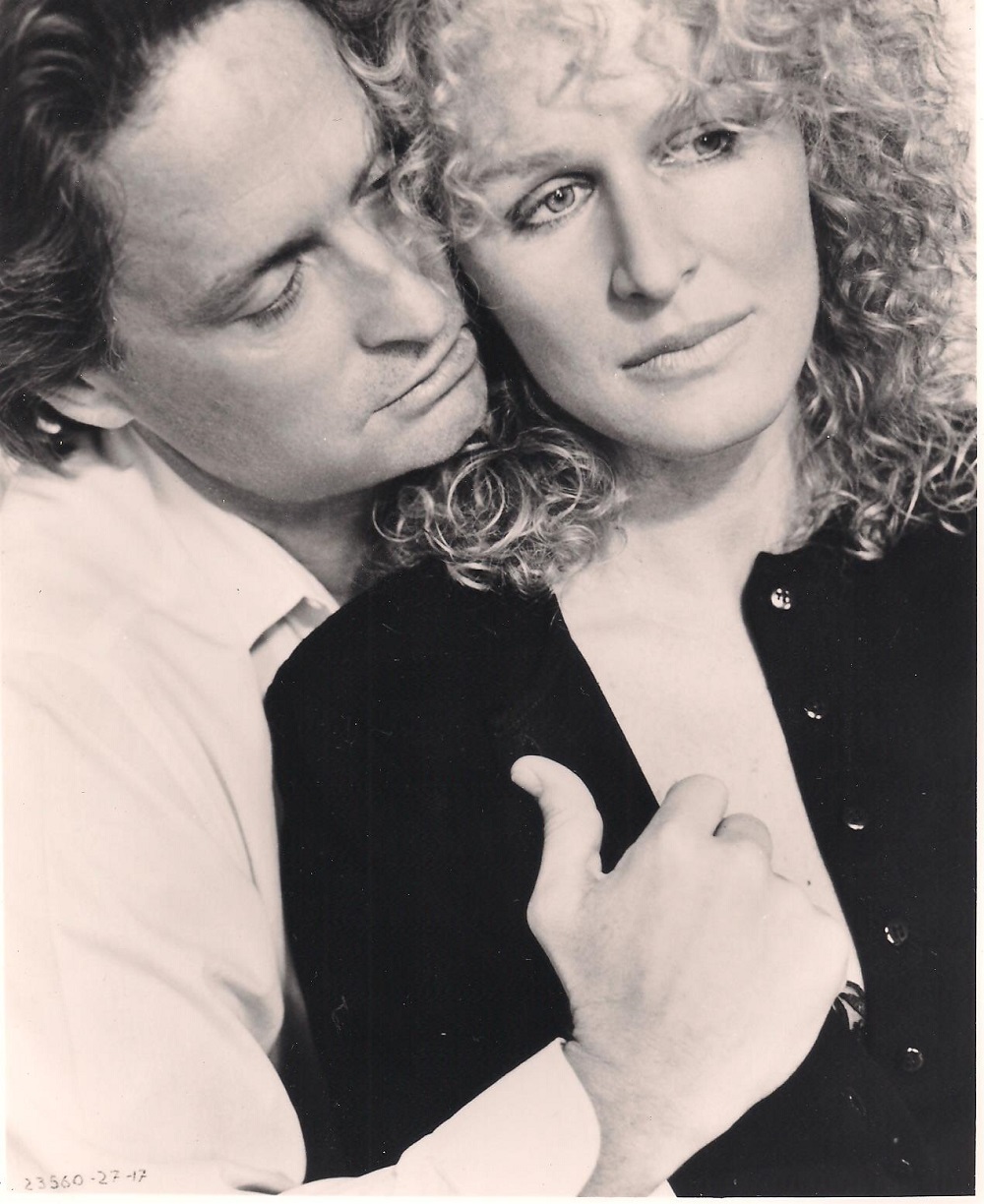
Exhibit B would be ‘Fatal Attraction’. Of course, in times gone by the movies would’ve presented the passion that gets Michael Douglas into such trouble in both films in a more chaste way, but by the 80s and 90s, the wild thing had to be shown, not inferred with crashing waves, fireworks going off or, as Hitchcock did after Cary Grant hauls Eva Marie Saint up into his bunk in ‘North by Northwest’, a train going into a tunnel.


I’m starting a new series next year. The first is ‘The Dead Don’t Boogie’ and it introduces Dominic Queste. You’ll hear more of this anon but suffice to say they are lighter than the Davie McCall novels. (The book I mentioned earlier – the thing I’m writing just now, the one that started off with a (coughs) bang – is something else entirely.)

I’ve been planning the second Queste novel and the first line will be something like this:

“I find it very difficult to refuse an attractive woman anything.

“I find it even more difficult when she’s naked and in my bed.”

Rest assured there will be no graphic description of what they’ve been up to. By the time the reader happens by, the deed has been done, the earth has been moved and the lampshade has stopped swinging.


I have an idea at some point in the series to take Queste into a thriller plot with a BDSM aspect. I didn’t know what the BD stood for until I looked it up. It’s Bondage and Discipline, if you don’t know.

And in the course of looking it up, I discovered the sort of thing they do. I mean, you put that clamp where? And tie what to your ?

Each to their own but I do wonder if I’d rather have a nice cup of tea and a wee dunk of a digestive.

Which raises the issue of teabagging. One of those phrases I’d never heard of. I’m still not terribly sure what it is.

Fear not, though. The sexual side will be very much in the background, while I concentrate on the plot and the humour, which is important to this series. Even so, I may abandon the entire notion.

That embarrassment thing may win again.

Now – where’s the kettle?

And maybe a ginger nut.