I do a lot of reading, all writers do – or at least should. Reading all kinds of genres is the best learning resource I know. If you want to write, and you enjoy a writer’s work or even just a particular book, then study their work. Read once for pleasure and then again to learn. How do they construct their stories? How do they build character, setting, plot?

How the hell do they do it?

I’m often asked to read other people’s work to give me views. I’m always honoured, nay flattered, that people think I might have something worth saying. God knows my work isn’t perfect!

I also read a great deal of research material.

Both these things mean that my time to read for my own pleasure is limited – and yet I keep buying books. (I also buy lots of DVDs, Blu-Rays and CDs, but that’s a whole other sickness. Doctor, I don’t know what it is, but I got the fever).

Anyway, enough of the preamble. Recently I’ve been able to make a little inroad into the old TBR pile.

NOTE: These are not books I was asked to read in order to provide a quote. These are books I bought with my own folding green because I wanted to read them.
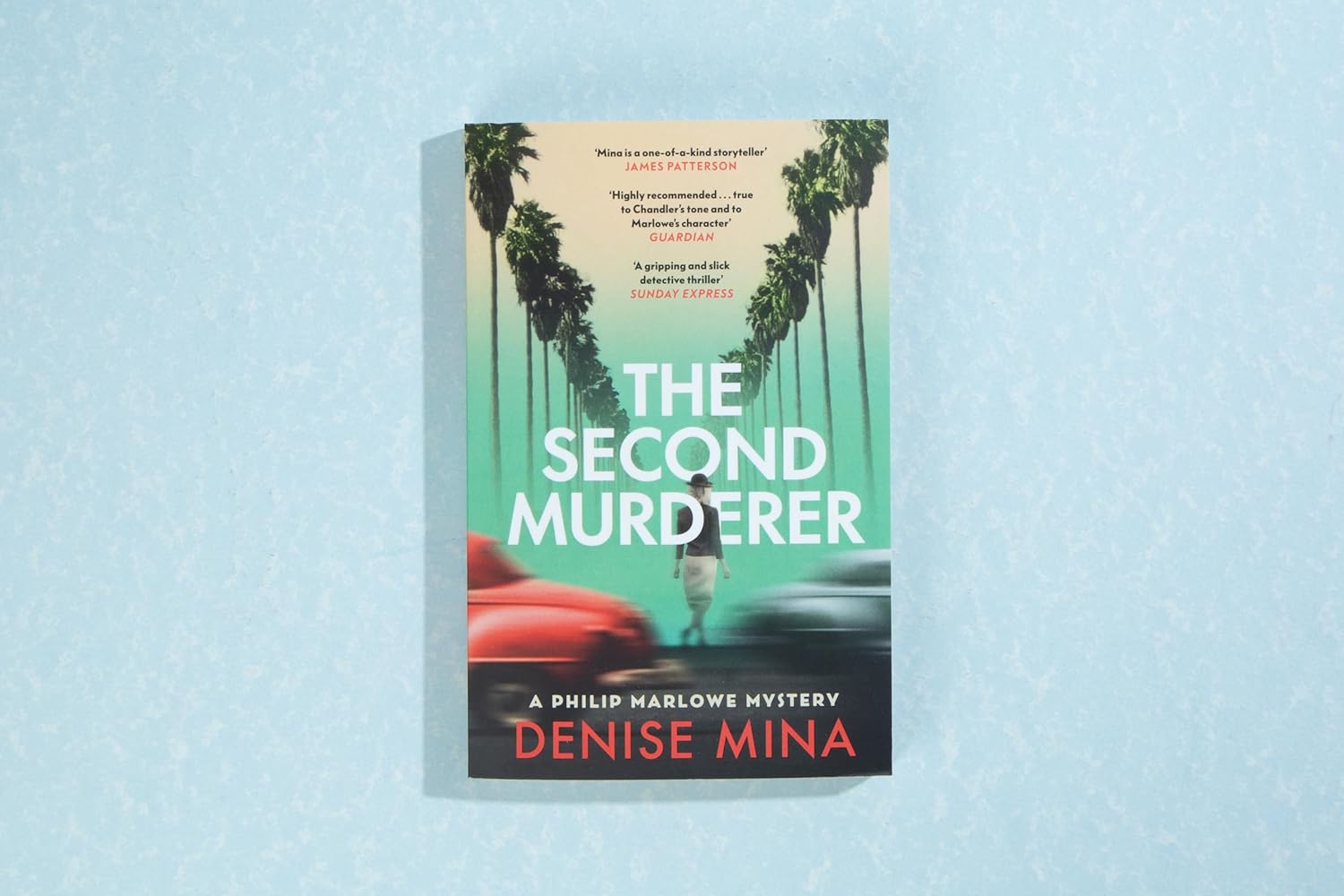
The Second Murderer by Denise Mina (Vintage) – I learned that Denise had been commissioned to write a new Philip Marlowe novel while I interviewed her at the Cove and Kilcreggan Book Festival in 2022. I had visions of Denise sitting in her office, the legend Denise Mina, Author, etched on the frosted glass doorway casting a shadow on the wall. A blonde publisher knocked on the door, told her she had a job for her. In my mind Denise fired up a Lucky Strike (I’m sure she doesn’t smoke – but hey, it’s my fantasy), sat back in her chair and asked what kind of job. A tough one, the publisher replied, but she could handle it. Write us a new Raymond Chandler, make it as near pitch perfect to his style as you can. Don’t modernise it too much. Don’t monkey with the character. Stay true to the setting. A deal was made over a bottle of rye and the blonde left, leaving behind the memory of perfume and money and all that goes with it.

I’m pleased to say that Denise really cracked this case. I believe this is as close as you can get to Chandler’s Marlowe without actually transporting yourself back to 1940s LA and drinking too much.

The plot is complex, as you would expect (even Chandler didn’t quite understand some of The Big Sleep). The setting is nicely realised. The dialogue sparkles. I loved it.
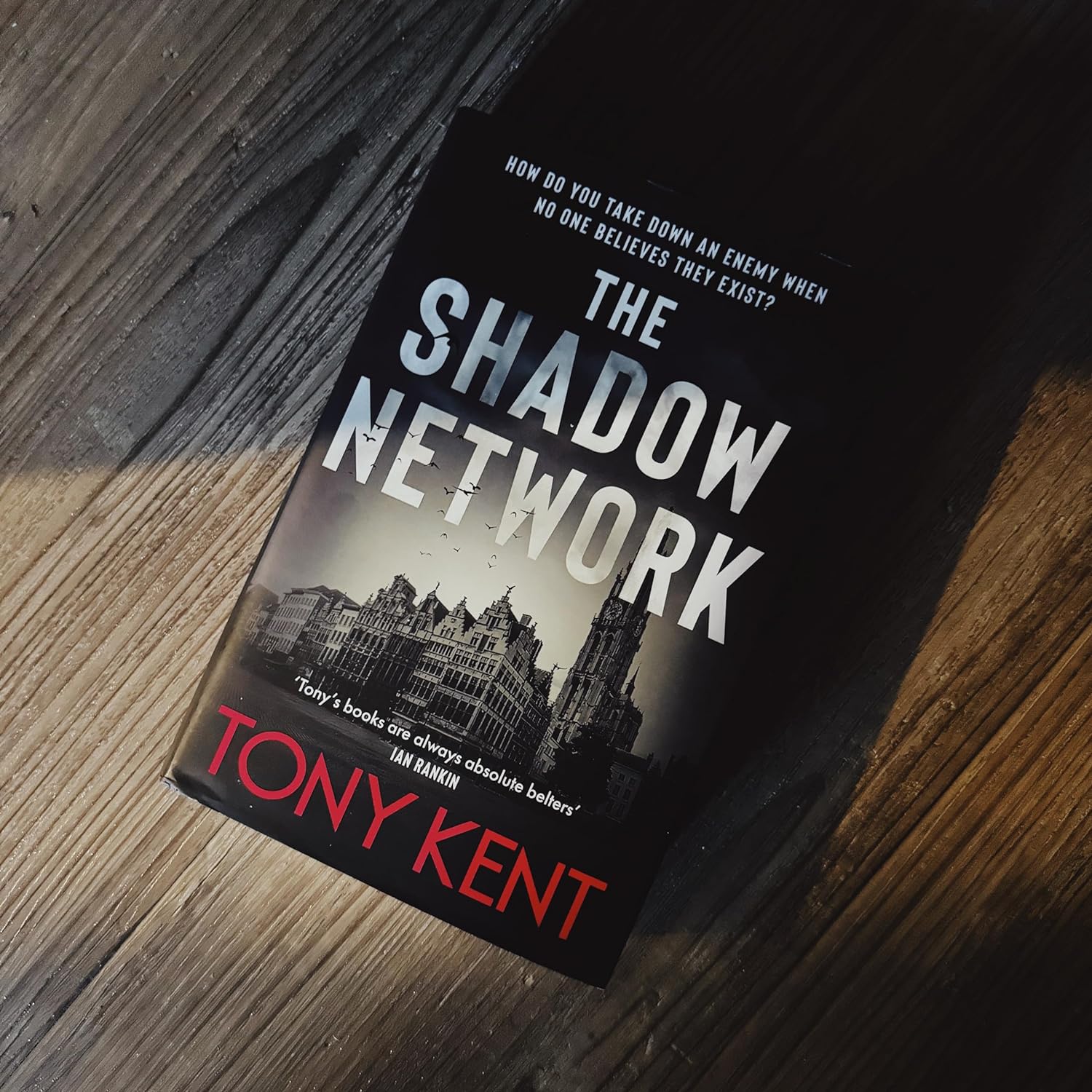
The Shadow Network by Tony Kent (Elliott & Thompson) – I love a good thriller, and if you can add a hefty dose of action and dash of paranoia into the mix then I am totally besotted. This fast-moving tale of international crime, skulduggery and general mayhem fits the bill nicely.

Tony keeps the action moving at a pace that would have a rollercoaster slamming on the brakes. I mean, this really moves, jumping from London to the Netherlands to the USA by way of a body count that would have an undertaker taking on new staff.

As usual, it has been compared to Jack Reacher but I think that’s unfair. I don’t go for comparisons anyway, as I think it’s unfair to the authors involved.

In two-fisted lawyer Michael Devlin and tough Agent Joe Dempsey, Tony has a double-act comparable to Bodie and Doyle (damn, I just did a comparison!). The author himself is a lawyer and a former boxer, so I do wonder how much Devlin is a projection of himself. If he is, I’m not planning to get on his wrong side next time I see him.
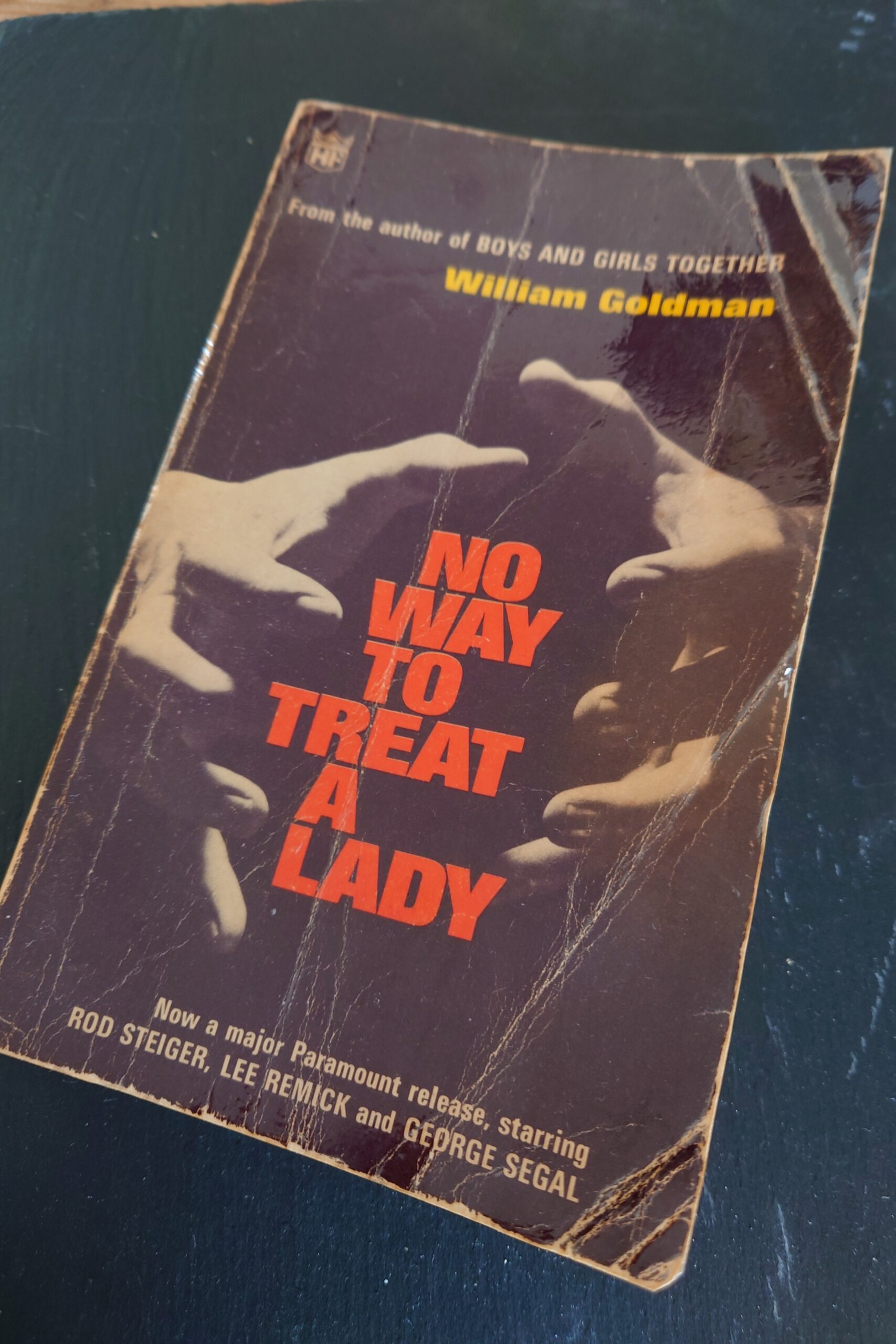
No Way To Treat a Lady by William Goldman (Coronet) – This read was from the vintage shelf. I’m a huge fan of William Goldman, both his published works and his screenplays, and have been gathering up titles missing my own collection.

This thriller was published in 1964, under the pseudonym Harry Longbaugh – the real name of the Sundance Kid (Goldman wrote the screenplay for Butch Cassidy and the Sundance Kid).

The book was filmed in 1968 with Rod Steiger giving a bravura performance as the serial killer who adopts a variety of disguises in order to trick his victims. George Segal was the weary cop on his trail, falling for Lee Remick but harried by his over-bearing mother, played by Eileen Heckart.

The film is played very much as a thriller with laughs (Goldman didn’t adapt it himself, it was John Gay) and those elements are here within these pages. But there is also a darkness, an edge, that is missing from the film.

Stylistically, the writing is all over the place, and in some places so off-beat that I suspect no publisher today would touch it (You can’t have chapters in italics, with no capital letters, all dialogue but no quotation marks. You can’t have chapters which is just a telephone conversation between two characters and nothing else. You can’t have an ending that is…well…just plain weird), but in the hands of a storyteller like Goldman it all comes together. It is dialogue heavy, with the writer already showing the skills he would employ in his screenwriting. It is also disturbing. And strange. And kind of wonderful.
OVER on that Facebook place, I was challenged by pal Richard Bruce to come up with seven books that influenced me.

My regular reader – she’s a nice woman – will know that I’ve been influenced very much by Ed McBain’s 87th Precinct novels and the western ‘SHANE’. She also knows that one of my favourite books is TO KILL A MOCKINGBIRD and in the past I have praised Dennis Lehane’s MYSTIC RIVER.

I decided to find other titles for this list – books that I enjoyed, have read more than once, and that I still own.

Image (21)

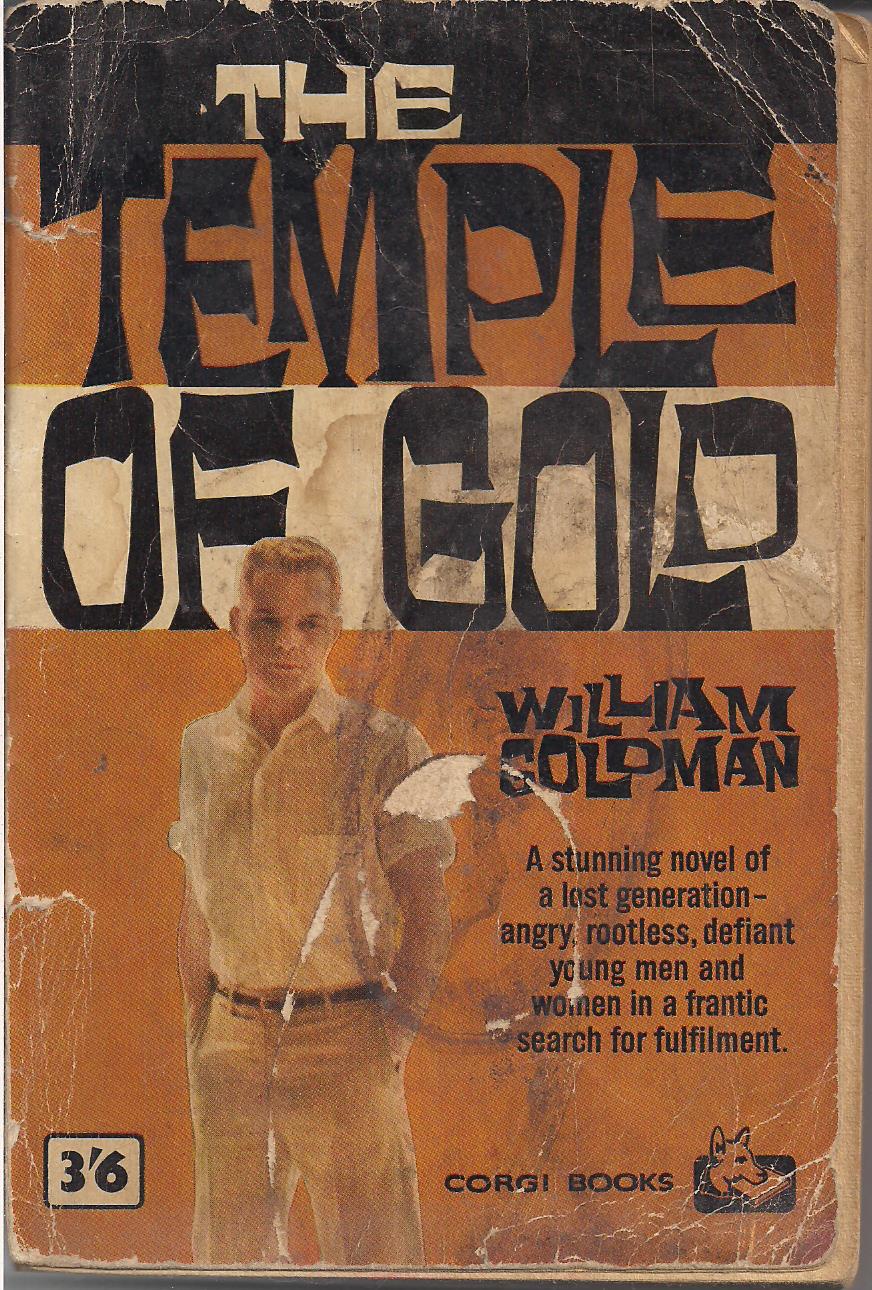
First up was William Goldman’s debut novel THE TEMPLE OF GOLD.

Written in the late 50s, this is a funny and tragic coming of age story.

Goldman’s narrative style is so wonderful, his dialogue so easy to read – he’s an Oscar winning screenwriter, remember – that whenever I return to it, and I’ve done so many times, I’m filled with admiration and, yes, envy.

Again, my regular reader will know that when I’m pressed to name my favourite film, my mind instantly turns to ‘Butch Cassidy and the Sundance Kid’, which Goldman wrote.

And just recently I was talking to crime writer and Carry on Sleuthing alum Michael J. Malone about Goldman’s other works and I heartily recommend ‘Marathon Man’, ‘Control’ and ‘Brothers’ as incredible thrillers.

Image (20)

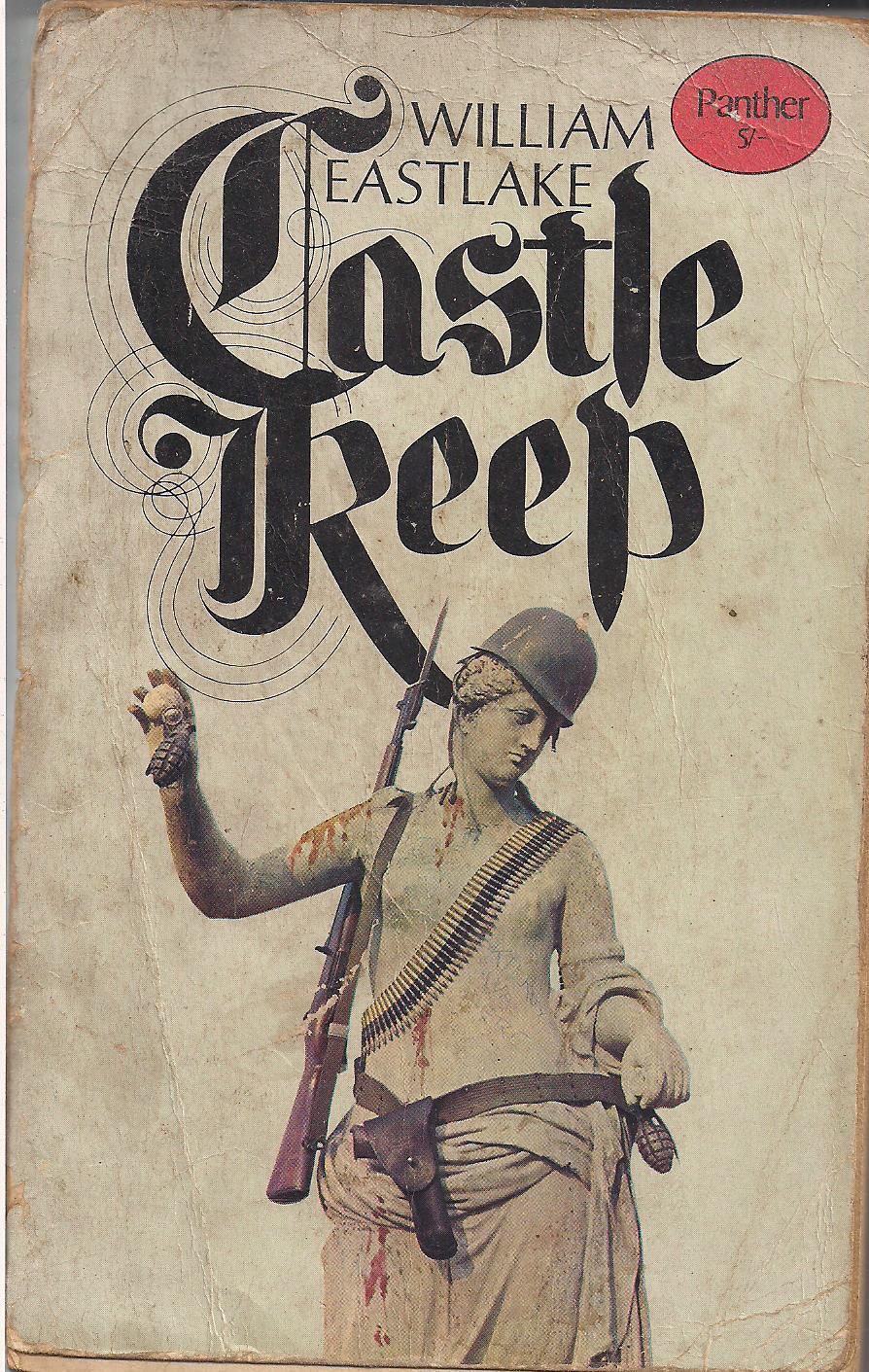
CASTLE KEEP by William Eastlake was a book I discovered in my teens. In fact, I believe this and TEMPLE OF GOLD were in the same bundle given to me by my nana (Yeah, go ahead, yukk it up, I called my gran my nana. Get over it).
It’s an anti-war novel about a disparate group of US soldiers occupying a chateau in the Ardennes on the eve of the Battle of the Bulge. Eastlake himself was in the US Army and fought at the Bulge, so there is a sense of truth underlining every crazy episode in the novel. It’s told from numerous viewpoints, each new chapter a different character talking in first person. What?! You can’t do that! But he did and it works. Sure, it’s rambling and unstructured but the characters are so well drawn, so varied, the dialogue so weird, wonderful and witty, the incidents wacky and, ultimately, tragic. It’s funny. It’s profane. It’s moving.

I would imagine very few of you have read the book, but you may have seen the 1969 film, directed by Sidney J. Pollack, starring Burt Lancaster and Peter Falk. It’s an unusual war film, couldn’t be anything but considering the source, but it failed to capture the anarchy of the novel.
Image (22)


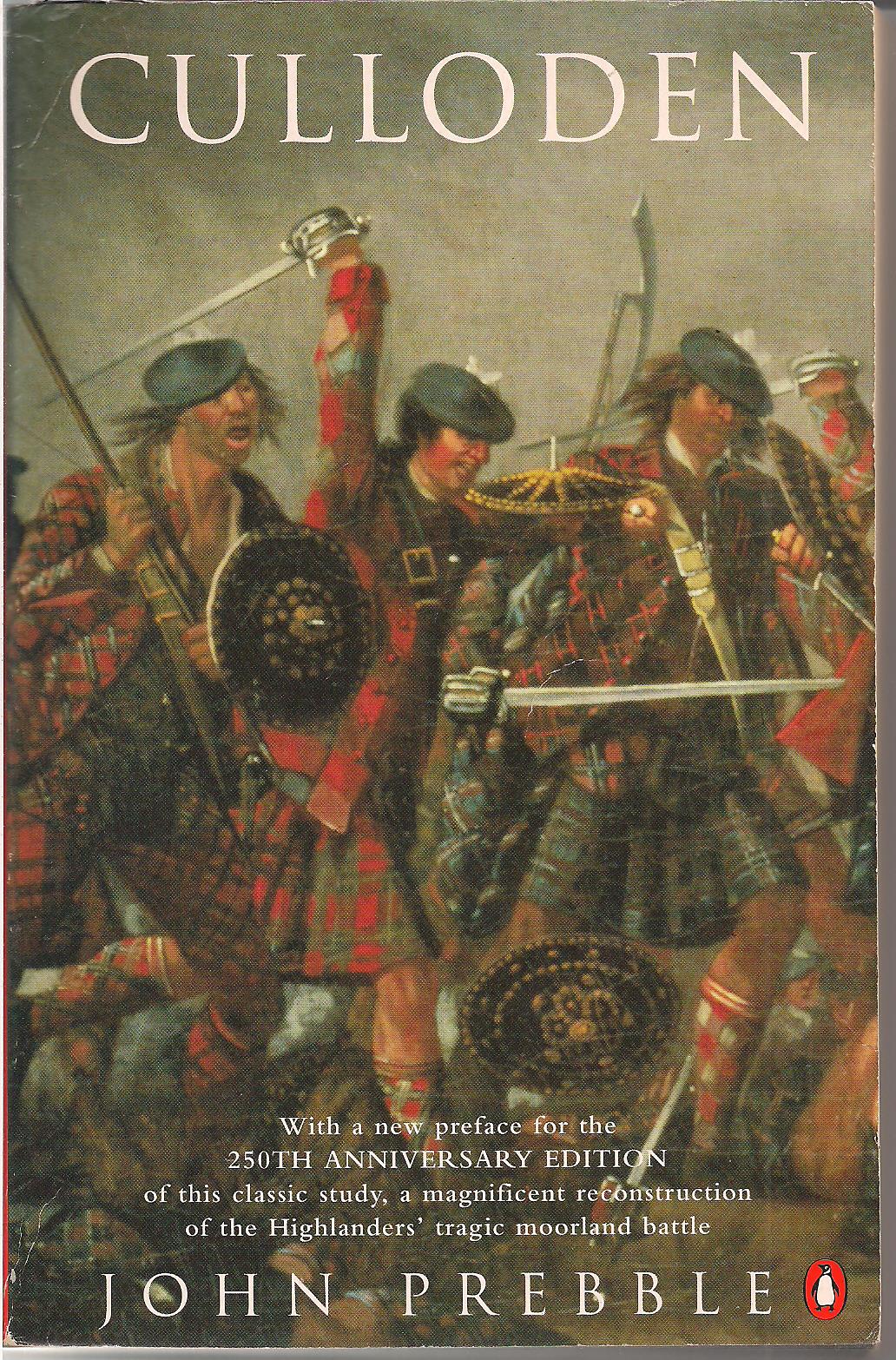
There was more war and tragedy in John Prebble’s CULLODEN.
Frankly, I could have picked any one of his books. His LION IN THE NORTH is a fabulous whirlwind ride through Scottish history. His book on travelling round Scotland has never been bettered. His account of the Highland Clearances is white hot with rage. Then there are his accounts of the highland regiment mutinies, the Darien Disaster and the bloody events of Glencoe. All absolutely terrific.
But I chose this one. It is wonderfully written, immaculately researched. It is fascinating and moving. It’s one of the best historical accounts ever published, as far as I’m concerned.

Packed with detail and told with the mind of an historian but the heart of a storyteller, it’s a dense read but a rewarding one. The battle was not simply a case of the Scots against the English. It was also brother to brother, father to son. The aftermath was brutal and bloody and it echoes through the centuries.

The battlefield is one of the most potently atmospheric sites I’ve visited and can only be profaned by the new housing schemes already agreed and the proposed holiday camp. We must protect it.
Image (23)

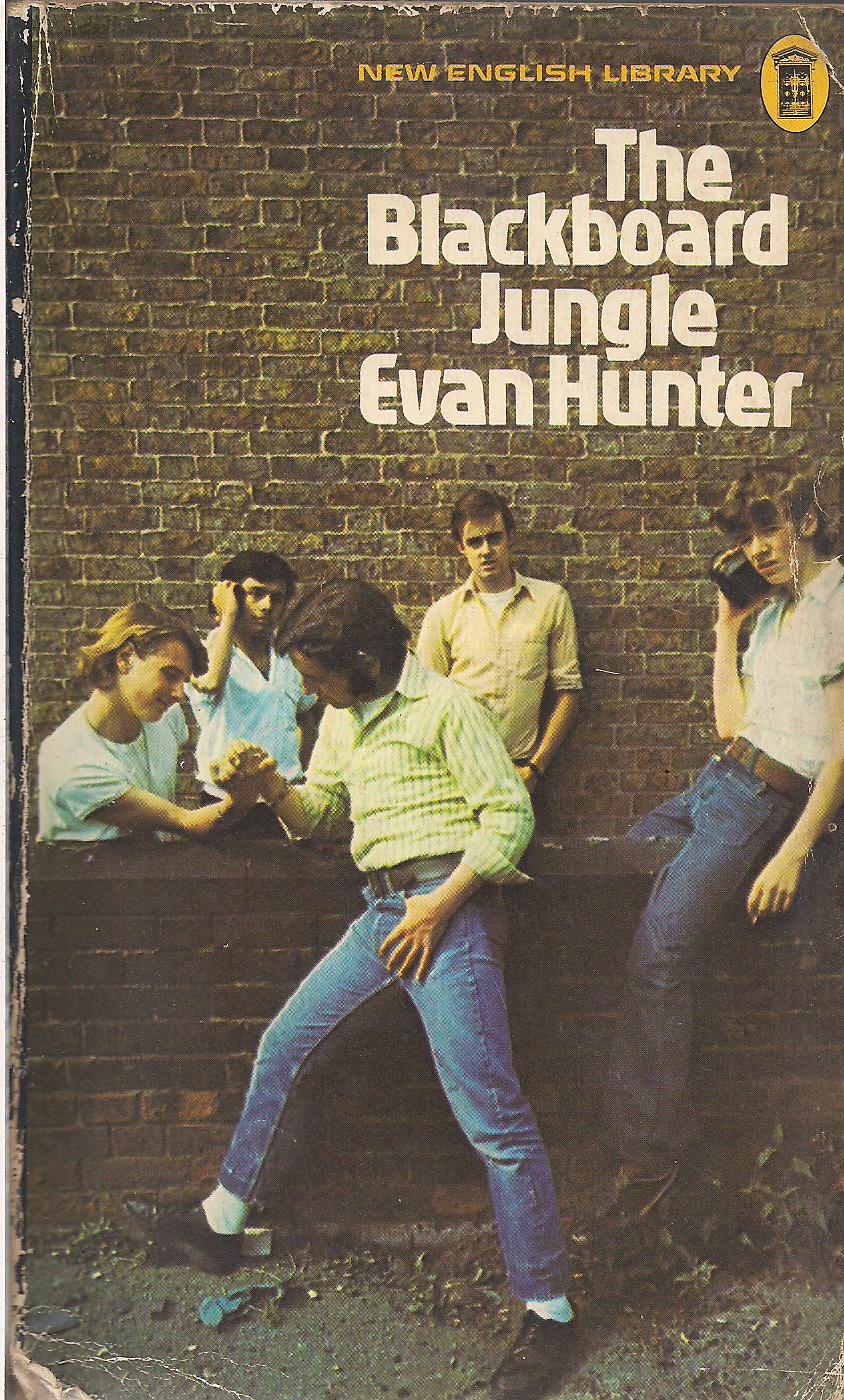
THE BLACKBOARD JUNGLE by Evan Hunter was, like most of these books, one I read in my teens. I was already a fan of Ed McBain and didn’t know that the authors were one and the same. And neither of them was his real name. It was, in fact, Salvatore Albert Lombino.

This book and the subsequent film with Glenn Ford, Sidney Poitier and Vic Morrow were controversial in their day. It kicked off the mini-genre of troubled school movies. The very title entered into the modern day lexicon. Is it slightly dated? Yes, but that’s not a bad thing. The language, considered shocking then, is tame now. But it still packs a punch and established Hunter/McBain, or any of his many pseudonyms, as a force to be reckoned with.

Image (24)

RED FILE FOR CALLAN by James Mitchell brought me back to the chilly, homegrown espionage landscape of the 60s and 70s.

I was a huge fan of the TV series, which ran from 1967 to 1972 and made Edward Woodward a household name. And, frankly, fantastic actor though he was, he was never better than this haunted, complex killer for HMG.
And who can forget the melancholy theme, a guitar melody with a bare light bulb swinging in front of a brick wall?
The book was based on James Mitchell’s own TV play ‘A Magnum For Schneider’, which introduced us to David Callan. It was so successful a series followed. It also later formed the basis for the 1974 big screen spin-off. I have three further titles in the series – Russian Roulette, which Russell Hunter once told me he wished would be filmed because it had a belter of a role for Lonely (the character he played), Smear Job and Death and Bright Water. And Callan’s influence on me? If you’ve read the Davie McCall novels, you’ll see them. Both characters are flawed, loners who are part of worlds they don’t really want to be, but their skills find them trapped.
Image (25)


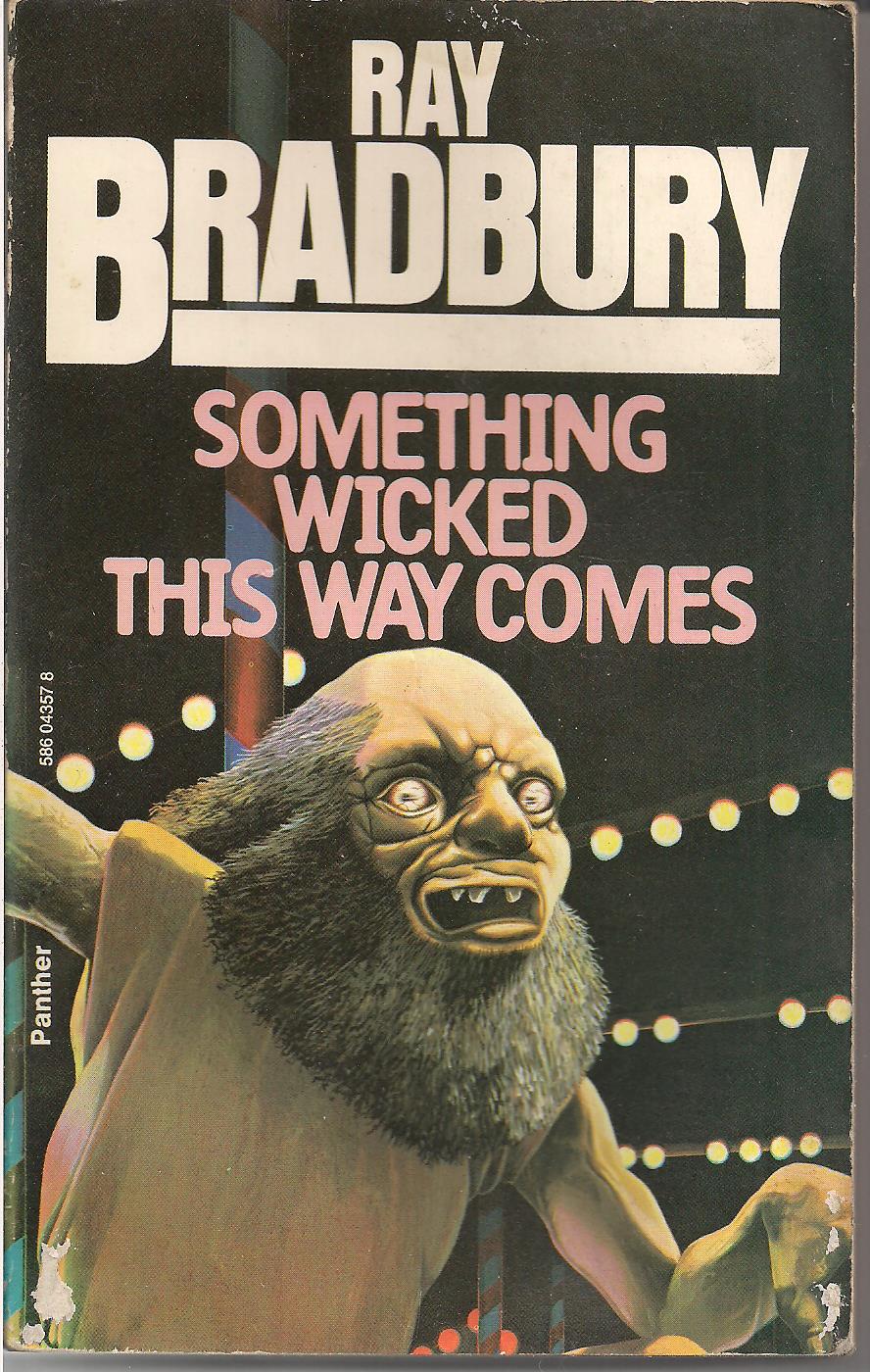
I found Ray Bradbury’s SOMETHING WICKED THIS WAY COMES in the library at secondary school. I liked it so much I bought my own copy. At the time I was reading a lot of horror and a few bits of science fiction. I mean, a LOT of horror. Dracula, Robert Bloch, those Pan compendiums, the Alfred Hitchcock collections, plus all sorts of things I wouldn’t go near today. This book, though, is more than horror, or fantasy. It’s a right of passage. It’s about family. It’s a look at small town life. It’s a yearning for lost youth. And it’s both poetic and creepy in equal measure. I love it.

It was also filmed, back in the 80s. Produced by Kirk Douglas’s other son Peter (the man himself was an executive producer), it was a very decent stab at bringing Bradbury to life but lacked the magic of the printed page, despite Bradbury himself providing the screenplay, although British writer John Mortimer was called in for rewrites.

It boasted a fine score by James Horner, who replaced French composer Georges Delerue. I have the rejected score in my collection but not the Horner one, which is a shame.

Image (26)

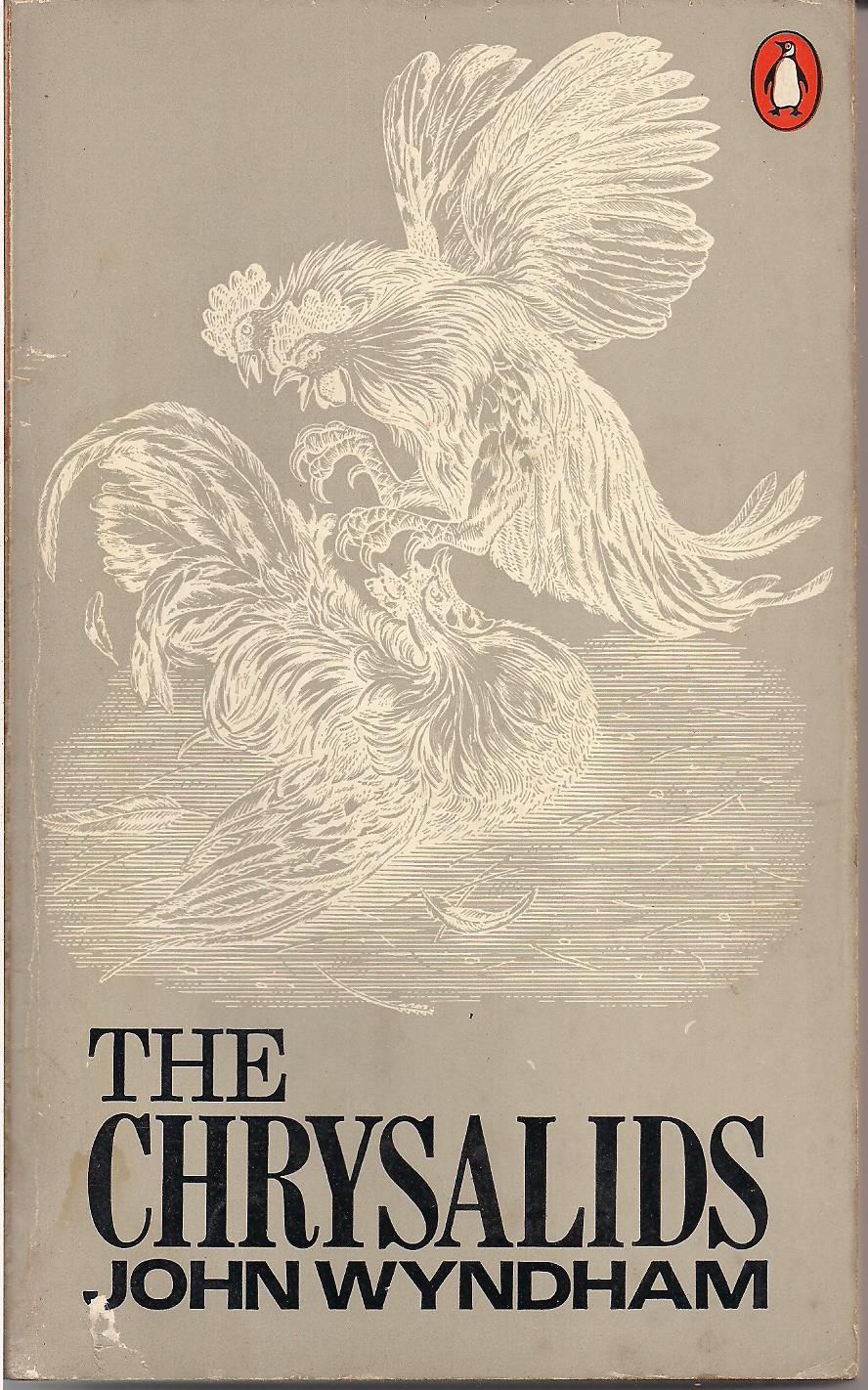
My final pick was a difficult choice. The more I thought, the more titles I came up with. Next week I could probably come up with seven new ones. Anyway, I have plumped for this from John Wyndham (real name John Wyndham Lucas Parkes Beynon. Need a helluva big cover for that) I’ve read a number of his books and I could have gone for any one – Day of the Triffids, Kraken Wakes, Midwich Cuckoos, Chocky, the Trouble With Lichen. But I chose THE CHRYSALIDS. I really can’t explain why. Perhaps in the current political climate it resonated. Nowadays this tale of a post nuclear world peopled with religious zealots eager to root out deviations and abominations would be called YA. Perhaps not. Triffids has been filmed a few times for screen and TV. Midwich became Village of the Damned in 1960 and spawned a sequel, Children of the Damned in 1964. ‘Village’ was remade in 1994 by John Carpenter, but not very satisfactorily. Chocky was turned into a children’s drama. It’s time someone turned their attention to the Chrysalids. It would make a great film. All I can say is that Wyndham remains one of the UK’s foremost science fiction writers.


So there we are. Seven books over seven days. And I’ve already thought of seven more…


  • What’s your favourite movie?

    It’s one of those questions we can all be asked from time to time, especially if – like me – you are friendly with people who love films.

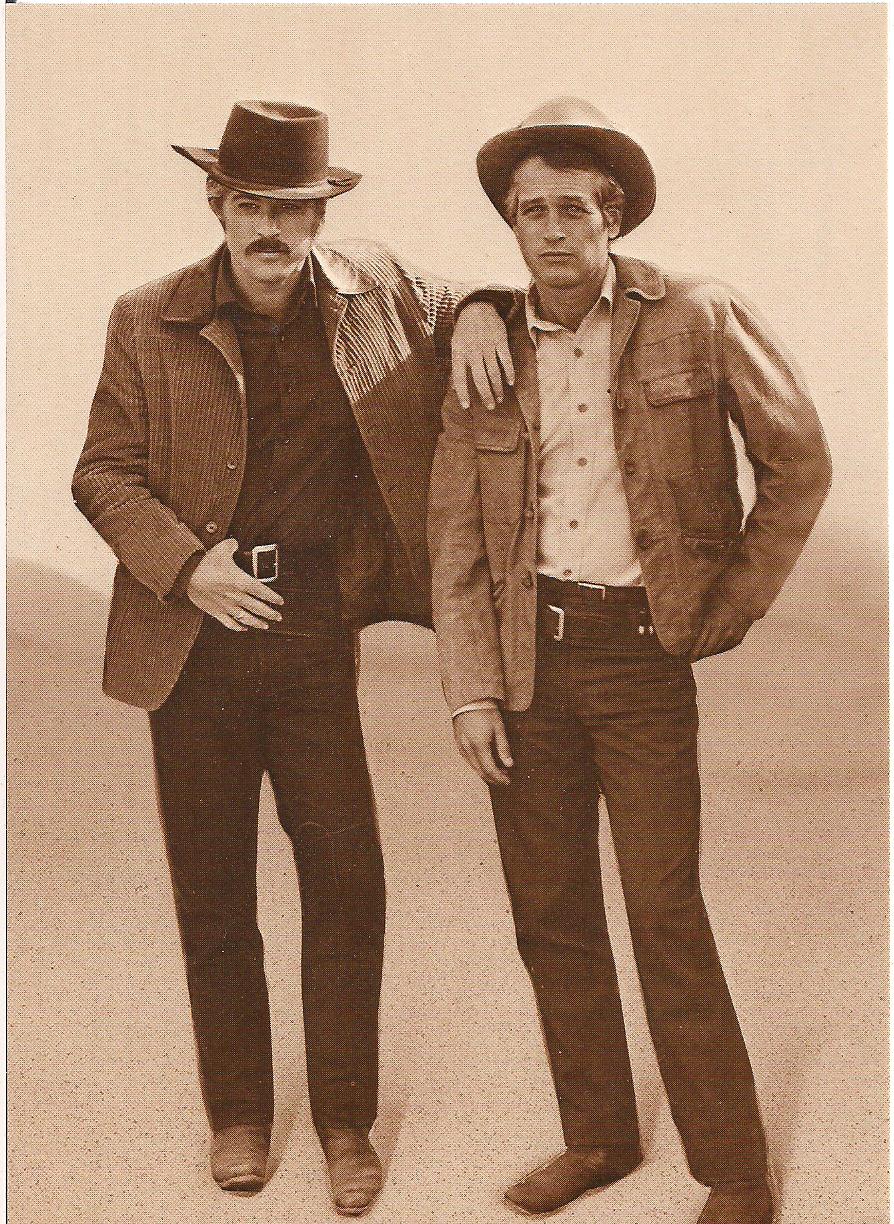
    My response is generally ‘Butch Cassidy and the Sundance Kid.’ I saw it first when it came out. I was a teenager and it introduced me to the work of screenwriter and author William Goldman. I’ve been a fan ever since.

  • Image (9)
  • Certainly, my affection for the film has dimmed slightly now I know there was a cruel horse stunt involved. It’s during the final shoot-out and the Flying W rig was used to bring the animal down as if it had been shot. It entails pulling the front legs from under it with wires. I can’t watch that now without wincing and I wish they hadn’t done it.However, it made me a fan of Newman and Redford. And every time I see it I fall in love with Katherine Ross all over again. And it introduced me to the cinematography of Conrad Hall.

    And it has Strother Martin in a supporting role.

    You may not know his name but you should know his face. He was never a huge star but he was always good.

    He was the horse trader who verbally sparred with Mattie Ross (Kim Darby) in the original – and best – version of ‘True Grit.’ He was the train driver in ‘Shenandoah’ who pleads with James Stewart to spare his train. He was one of Lee Marvin’s sidekicks n ‘The Man Who Shot Liberty Vallance.’ He was the prison camp governor who realised they had a failure to communicate in ‘Cool Hand Luke.’

    In ‘Butch Cassidy’ he’s Percy Garris, the colourful mine boss who hires the heroes as payroll guards while they’re trying to go straight. And he has a line I love – ‘Morons! I’ve got morons on my team!’ Doesn’t seem much when you read it but when he says it, it’s like Shakespeare to my ear.

  • I’m a huge film fan so there are many, MANY titles I love. But if you were to ask me right now what my top ten would be, this is what I’d say.

    If you ask me again tomorrow, it would be different.

    These are in no particular order of preference, despite what I’ve put first.

    1. Butch Cassidy and the Sundance Kid – Smart script, great acting, superb photography. Burt Bacharach’s shining moment in movies. Shame about that horse stunt.


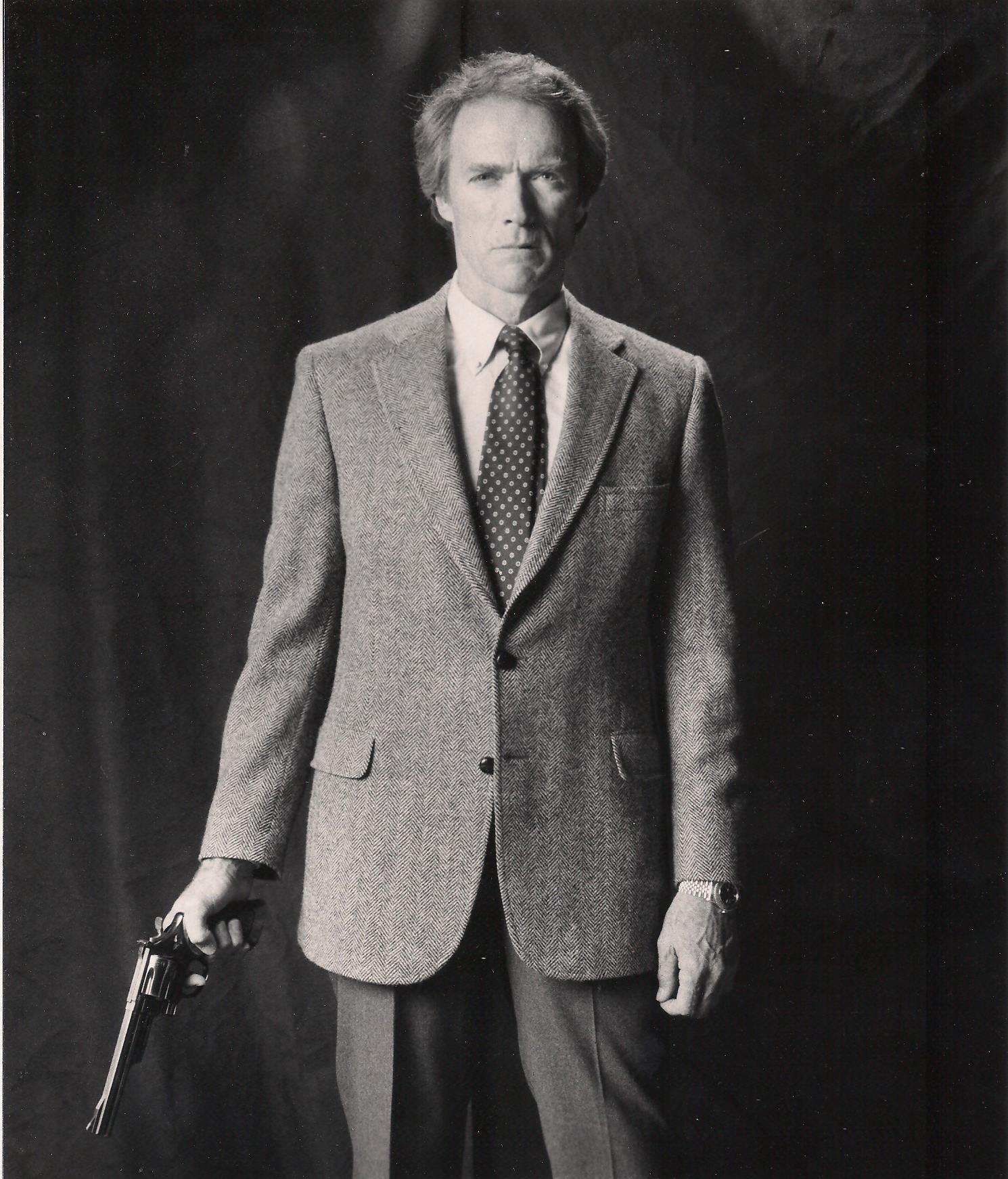
    1. Dirty Harry – I’ve mentioned before how much I like this movie. Clint has never been better. Director Don Siegel knew how to tell a story. Andrew Robinson was chilling as Scorpio. And Lalo Schifrin’s score was cool and highly effective.

    Image (8)

    1. To Kill a Mockingbird – Adapting a book for the screen is a real skill and Horton Foote’s screenplay for this was simply magical. It’s one of my favourite books but I never feel cheated if some part of it was missed out. And Elmer Bernstein’s music is wonderful. I read recently that it was John Williams played the piano. Don’t know if it’s true, but wouldn’t it be great if it was?


    1. The Magnificent Seven – Speaking of Elmer Bernstein. I mean, what a score! And that cast! Brynner, McQueen, Bronson, Vaughn, Coburn, bad guy Wallach, the other two who everyone forgets (I haven’t – it’s Dexter and Buchholz). The film’s never been bettered. I hear they are due to remake it. I’ll approach with caution.


    1. Angels With Dirty Faces – I like a black and white movie and I like James Cagney. These Warner Brothers gangster flicks had a look all of their own. And this one has the most talked about ending in the genre. Was Rocky Sullivan granting the wish of his old pal and pretending to be craven as he walked to the chair? Or did he really lose his bottle?


    1. The Godfather – Not really a surprise, is it? Again, another superb adaptation, losing all the Hollywood bollocks about Johnny Fontane and his pal, the Dean Martin soundalike, and concentrating on the Family. I also love Godfather two and even three.


    1. The Adventures of Robin Hood – Errol Flynn. Basil Rathbone. Olivia de Havilland (be still my beating heart). And a cracking score by Erich Wolfgang Korngold. I wonder how it would’ve turned out if James Cagney had played the title role? Oh – and the horse Maid Marion rides in Sherwood Forest was later bought by Roy Rogers and renamed Trigger. Just thought you’d like to know.


    1. Legends of the Fall – Not many laughs but my God, feel the emotion. Aided greatly by James Horner’s magnificent score, this is big Hollywood – a sweeping storyline with high drama, tragedy and Julia Ormond weeping.


    1. Rocky – I love an underdog story and I love a sporting underdog story. Stallone is under-rated in many ways. He’s a better actor than people give him credit for and his script for this is masterful. I like most of the Rocky movies – 3 and 4 are my least favourites – and I thought Rocky Balboa was a fitting end to the series. Even though Apollo Creed is due out.

    Image (39)

    1. Shane  – What can I say? Great source material in Jack Schaefer’s book, an excellent adaptation by AB Guthrie, scenery I could look at all day, music by Victor Herbert that just soars and pounds in equal measure, and director George Stevens at the top of his game. If there is one book/film which has influenced me more than any other, it’s this. In many ways, the character of Davie McCall is nothing more than Shane comes to Glasgow.


    So there we are. As I said, ask me tomorrow and it’ll be different.

    Tomorrow, hell. Ask me in half an hour….I’ve already thought of more…


I blogged about Alistair MacLean recently. You might’ve seen it. If not, why not? Don’t make me come round there…
Anyhoo.
There’s a scene in ‘Where Eagles Dare’ when Richard Burton completely bamboozles all and sundry with a mind-bending speech in which he claims to be a double agent, who may be a triple agent, who may be none of the above.
It’s a marvellous feat of writing from MacLean and when delivered in Burton’s mellifluous tones becomes instantly riveting.
It’s one example of what we call a reversal, also known as a twist. That it’s a double bluff reversal makes it all the more interesting.
I love reversals.
I love it when a writer or film maker has me thinking one thing one minute and then completely side swipes me.
It’s a magic trick, really – sleight-of-hand. The writer seems to be taking you down one alley, then veers off suddenly in another direction, upending everything you thought or believed up until then.

Misdirection Marathon
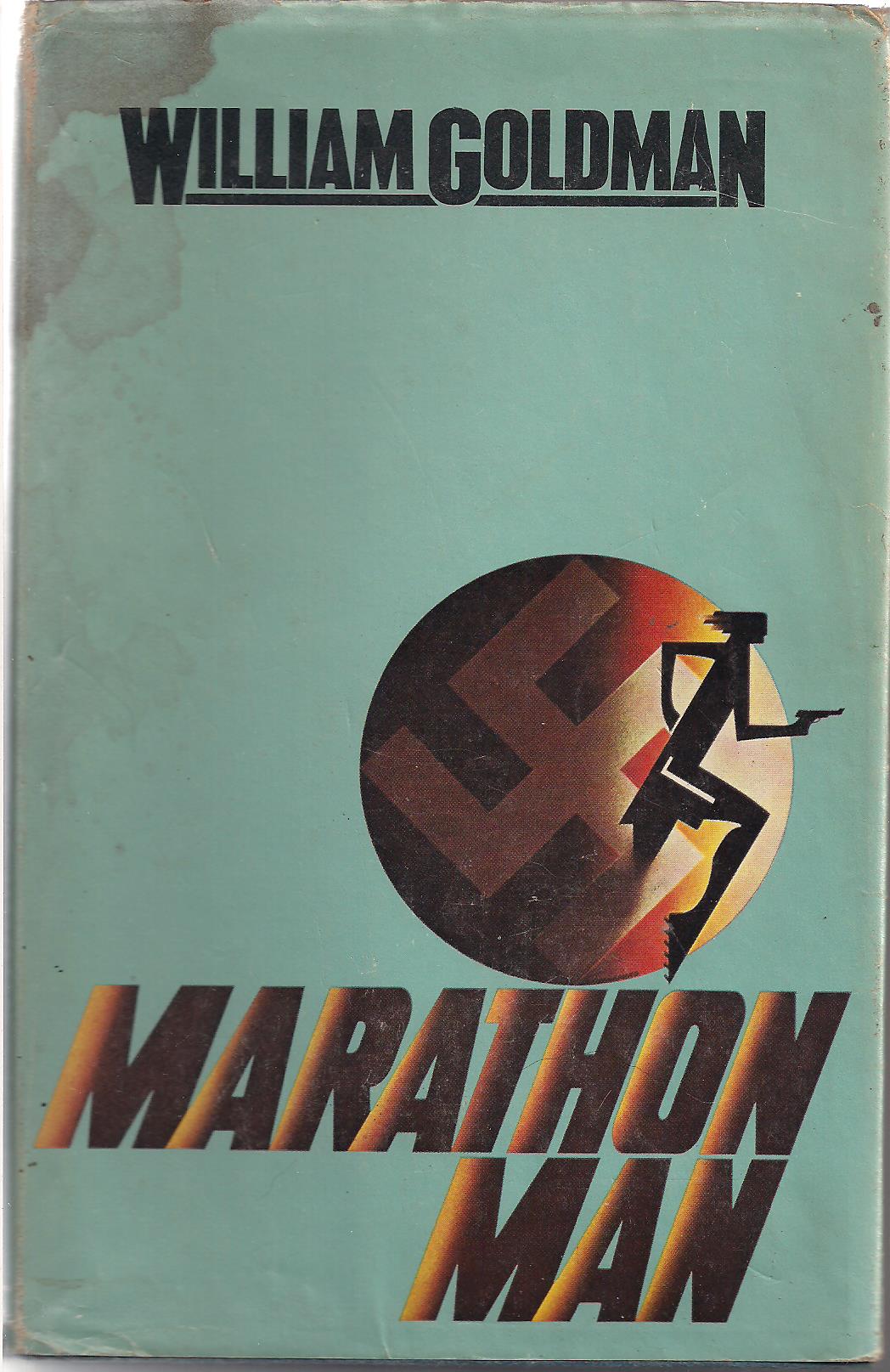
Image (17)For me, the champeen reversal engineer is American author William Goldman. I recall reading ‘Marathon Man’ for the first time, back in the 1970s and being completely stunned when I learned that – spoiler alert! – Babe’s brother was actually the agent known as Scylla and that a character named Janey who I thought was a woman was really a dude!
I mean, seriously- WTF?
This morning I posted a link to an interview with author Harlan Coben who read the book in his teens and has admitted it was a life-changing experience. I know what he means. It proved to me back then that thrillers could be dark AND funny, while there is real skill in leading your reader down a garden path or two.
These reversals could only be pulled off on the page. The movie version did not even attempt to recreate them.I don’t know how they could.

Master magician
Goldman’s tricky.
In ‘Control’ he has a series of chapters that you think are set in the present day but it turns out occured 100 years before.
In ‘Edged Weapons’ (filmed as ‘Heat’, amid a great deal of heartache for all concerned I understand, and now remade as ‘Wild Card’ with Jason Statham) he has a character who works in Las Vegas but who hates gamblers and gambling – yet in a stunning reveal he turns out to be an obsessive punter himself.

And in ‘Magic’, we’re not aware that Fats is a dummy until the big reveal. Again, couldn’t be done on screen (but the movie is still one of my favourites)

All these books are told by a man who knows how to structure a tale and whose prose is so perfect it ought to be outlawed to protect the rest of us.
If you want to read a superb coming-of-age tale, then seek out his ‘Temples of Gold’. It is nothing short of wonderful. I don’t know how many times I’ve read it but I love it every time I do. Even with no reversals.
At some point in the future I’ll return to the subject of William Goldman, because I have more praise to heap upon his shoulders.