
To explain what I’ll be doing every now and again regarding the extracts from DEVIL’S GALLOP, here is the original introduction to the book.
THE woman in the tourist information centre sounded puzzled.
“You’re looking for what?”
“Sawney Beane’s cave,” I repeated into the telephone, suddenly feeling very foolish. I mean, these people are more used to dealing with inquiries about Rabbie Burns, not the bogey man of yesteryear. “He and his family was supposed to live somewhere on the south Ayrshire coast, in a cave.”
“How long ago was this?”
“Oh, centuries ago. They were quite an extended family who operated as a band of robbers and their cave was like Aladdin’s cave, if you know what I mean. And they ate people.”
“Ate people?” I heard her voice change then. Up until that point in the conversation she had been attentive and ready to be helpful, but now my query had wandered into the realm of Hannibal Lecter and a nice chianti.
“Well, so the legend goes,” I added quickly, trying to keep my voice light, lest she think I’m the kind of person who would make a bid at auction for Jeffrey Dahmer’s fridge.
“And you want to find this cave?”
“Well, yes. I’m writing a book, you see, on famous Scottish murderers and I want to do a chapter on Sawney Beane. So I thought I’d like to visit his cave, just to get a feel for it, you know?”
“A feel for eating people, you mean?” I thought I could hear a smile in her voice, but I wasn’t sure. It’s a reaction I’ve grown used to over the years whenever I express my interest in the darker side of history. Most people either take an involuntary step backwards, thoughts of rushing home to lock up their daughters uppermost in their mind, or smile indulgently, while thinking of rushing home to lock up their daughters.
I’m exaggerating, of course – something you’ll find I do quite bit as you read on. I was a journalist. It’s what I did. In fact, I’ve told myself a million times not to exaggerate but it never works.
The fact is, there are many people out there interested in the grisly side of history, but the problem is the tourist trade, certainly in Britain, singularly fails to cater for their interests. That is not to say these people spend their free time biting the heads off live chickens while watching snuff movies. Personally, I find it difficult to even pull the giblets out of a frozen fowl, and I grew nauseous watching ‘The Evil Dead’.
The tourist information lady could not help me, although someone in her office had heard of the villainous Beane clan and believed the cave was reputed to be somewhere near Ballantrae.
That was ten years ago (NOTE – A helluva lot more than that now!) The Sawney Beane chapter never made it into Blood on the Thistle, my book on famous Scottish murders. However, my trip from Glasgow to Ballantrae that day – and in many subsequent forays down the west coast – yielded up more grisly nuggets than Scotland’s own family of cannibalistic human underground dwellers. Meanwhile, trips all over Scotland provided further material on this small country’s bloody past in fact and legend.
Someone once said that Scotland is becoming one vast theme park and I see nothing particularly wrong with that. As long as the tourist trade creates employment and generates income, then there is no reason why we should not capitalise on our past. The problem is, we don’t do it enough. We have a rich and fascinating history that is there to be merchandised and – dare I say it? Yes, I dare – EXPLOITED. There is more to Scotland than tartan and shortbread, more than Burns and bagpipes. The movies Braveheart and Rob Roy showed there is an international interest in our past. As long as it’s bloody.
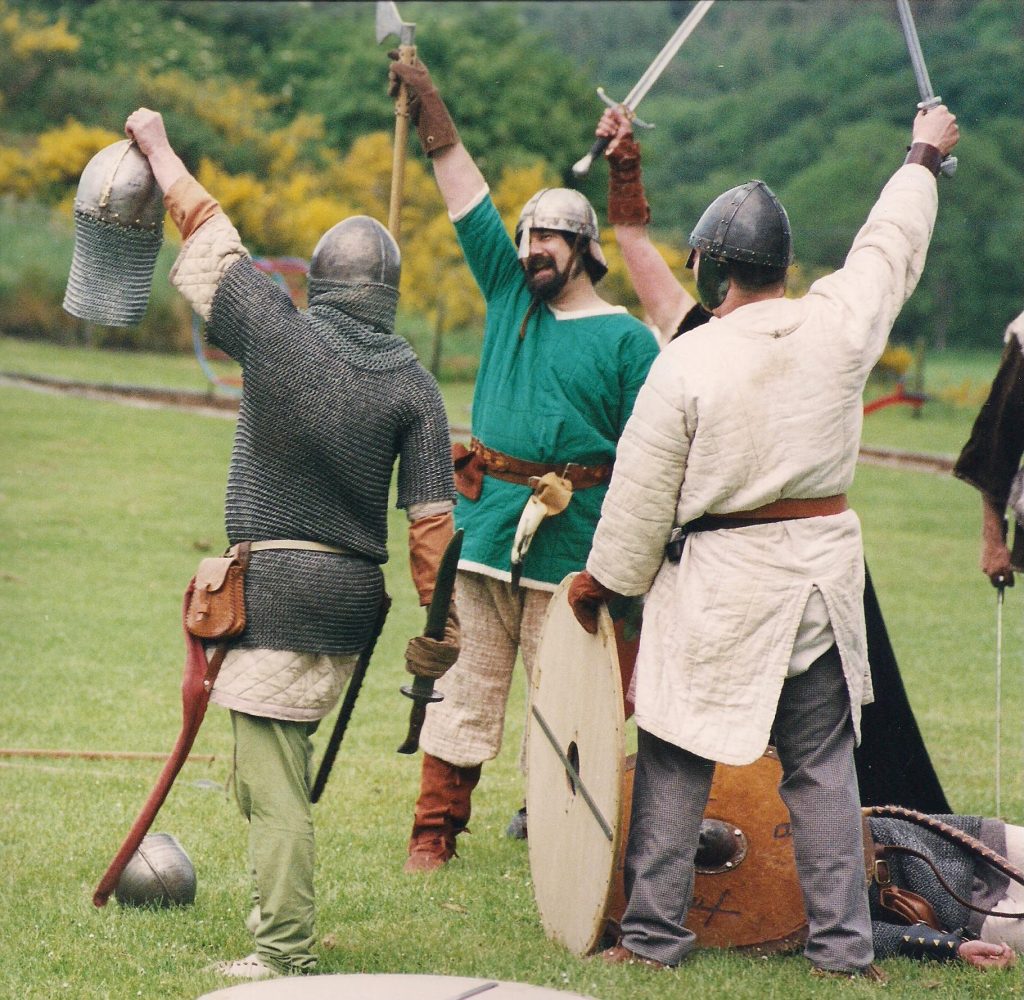
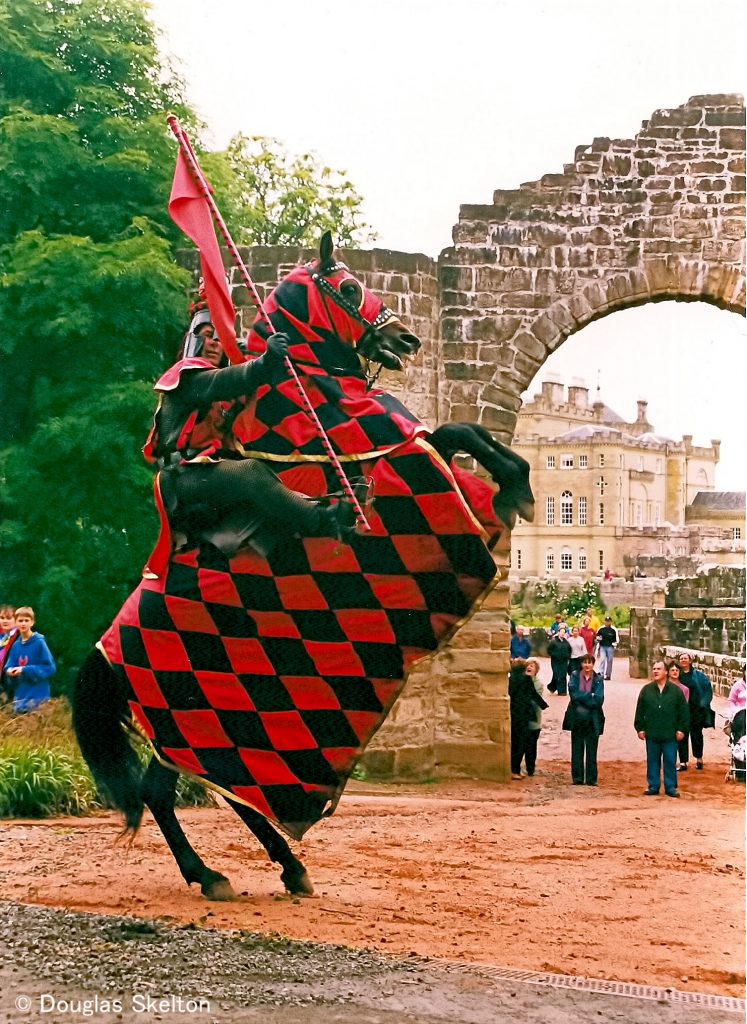
Glencoe and Cullodden continue to draw visitors. One of the west coast’s most popular tourist attractions is Inverary Jail, with its tales of crime and punishment. When people visit our castles the first thing many want to see are the dungeons – and their first question is often whether or not the place is haunted. Meanwhile, lines of visitors gawp at instruments of torture and execution in museums. Not long ago I was part of an appreciative crowd in Culzean Castle gardens, watching members of an historical society knocking lumps out of each other in hand-to-hand combat. I heard many different languages spoken that day, but all of them loved the spectacle. We enjoy a bit of violence – as long as no-one actually gets hurt, of course.
But guide books to castles and other sites often spend more time on the architecture and provenance of historic artefacts. It’s all very interesting but it’s not what myself and many others have come to see. It’s not very PC to admit it, but when I tour Holyrood Palace I don’t want to know about a seventeenth century sideboard, I want to see the spot where Mary Stuart’s Italian chum Rizzio was murdered. When I go on a tour of Glasgow, I don’t care which buildings Alexander ‘Greek’ Thomson designed, I want to see where the public gallows were once situated.
Oh hell, maybe I should be biting the heads off live chickens.
Of course, there are tours in Edinburgh and Glasgow specialising in ghosts and gristle and what jolly fun they are too. The London Dungeon was the most fun I’ve had with my clothes on for a long time and the Edinburgh one is said to be just as enjoyable. However, if they ever extend their repertoire to include the sites of more recent murders, then I would be among the first to complain. I have no desire to go the Hollywood route, where guides show you the hotel in which John Belushi overdosed and other such scandals. No, let us stick to past horrors, which have become less distasteful with the passing of centuries.
So in the following chapters you will find tours a traveller could take if he or she was of a mind to delve into darkness of the past. Each one begins in Glasgow because it’s my home town and every journey has to start somewhere.
You will find facts and fiction nestling side by side here. There will be blood and tears and laughs, because that’s the way I want to approach it.
NOTE – no chapters on the website, of course, and rather than tours I will select extracts from the book and update them (in other words, try to improve the writing!).
