
Old books never die, they just come out as digital copies.
That’s something that came through to me this week when I was in Edinburgh to talk about one of my non-fiction titles, DARK HEART.
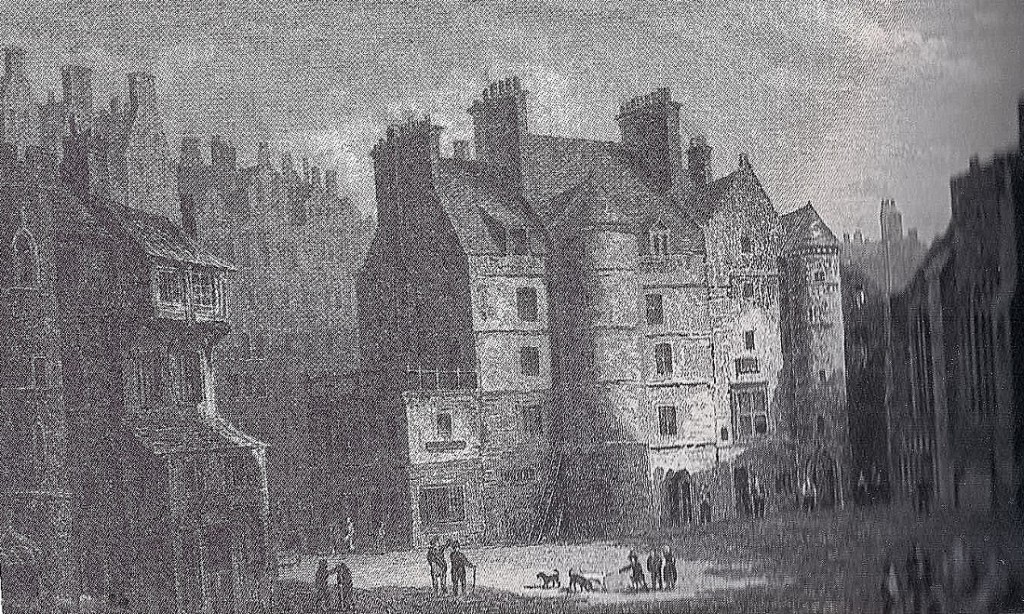
It’s the story of the Edinburgh Tolbooth, what Sir Walter Scott called the Heart of Midlothian, and if that title was good enough for Sir Wally, it’s good enough for me.
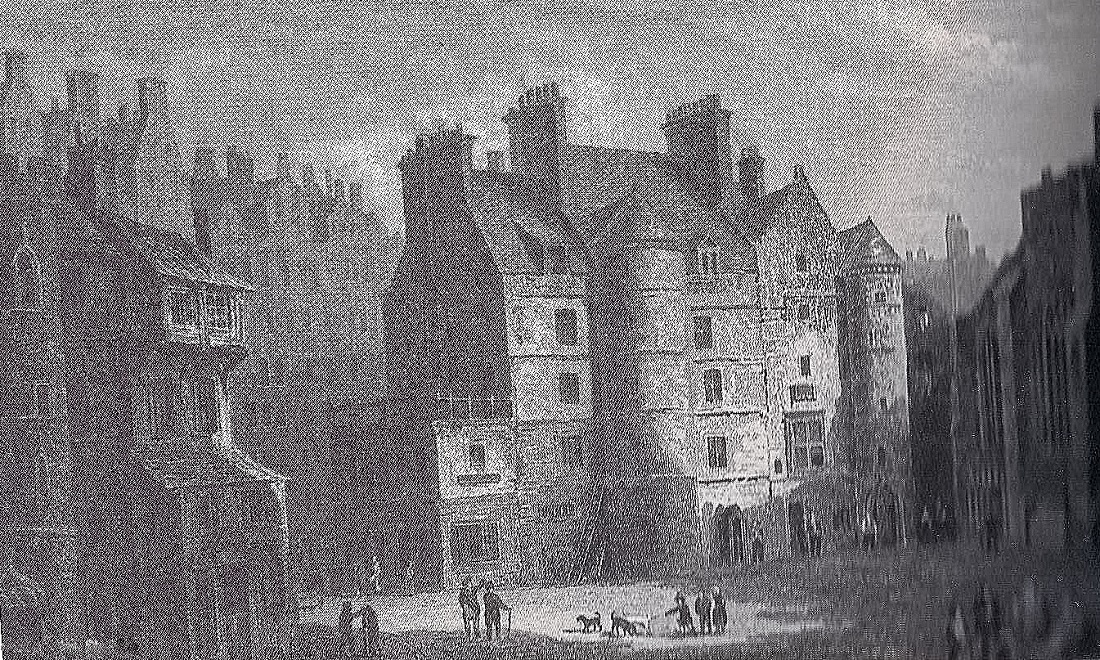
Visitors to Edinburgh may have noticed the heart-shaped stones in the cobbles of the High Street beside St Giles. They may also have witnessed people expectorating soundly on it and wondered why. The stones mark the site of the Tolbooth which was during its lifetime a bellhouse, council offices, the site of the parliament, court building, a place for kings to hide when their nobles turned too unruly and, finally a grave for men alive. For this was the old town jail, a squalid, uncomfortable, filthy hole designed to punish the guilty and make the good people of the town happy they had stayed on the straight and narrow.
It was also the site of public executions in the days before reality TV – and that could be why those locals in the know hawk up a good one and decorate the heart stones.
I wrote the book seven years ago so was surprised to receive a message last year asking me to to give a talk on it as part of the excellent History in the Pub series in The Counting House. Thanks, by the way to Ash Pryce for asking me along.
I enjoyed myself, even though I received a thorough drenching on the way. Coincidentally, the only other time I spoke about the book – again in Edinburgh, in what is now Blackwells bookshop – I was also soaked through on my way there. If I’m asked again to talk on it and you’re going, take a solid brolly.
For more on the History in the Pub talks, click: History in the Pub
Dark Heart: Thomas Muir
One of the stories I tell in the book is of Thomas Muir, the radical Glasgow lawyer, who was imprisoned in the Tolbooth prior to being convicted in what was more-or-less a kangaroo court and then transported to Australia. He was charged with sedition but he argued he was only calling for parliamentary reform. The powers-that-be, however, saw any call for reform as a threat to their position – and were terrified that the revolutionary fervour that had swept France just four years before would also brush across Britain. Lord Braxfield, the Lord Justice Clerk, told the court, ‘The landed interest alone has the right to be represented. As for the rabble, who have nothing but personal property, what hold has the nation of them?’
When the judge was told that Jesus Christ as a reformer he replied,
‘Muckle good he made o’ that, he was hingit for it.’
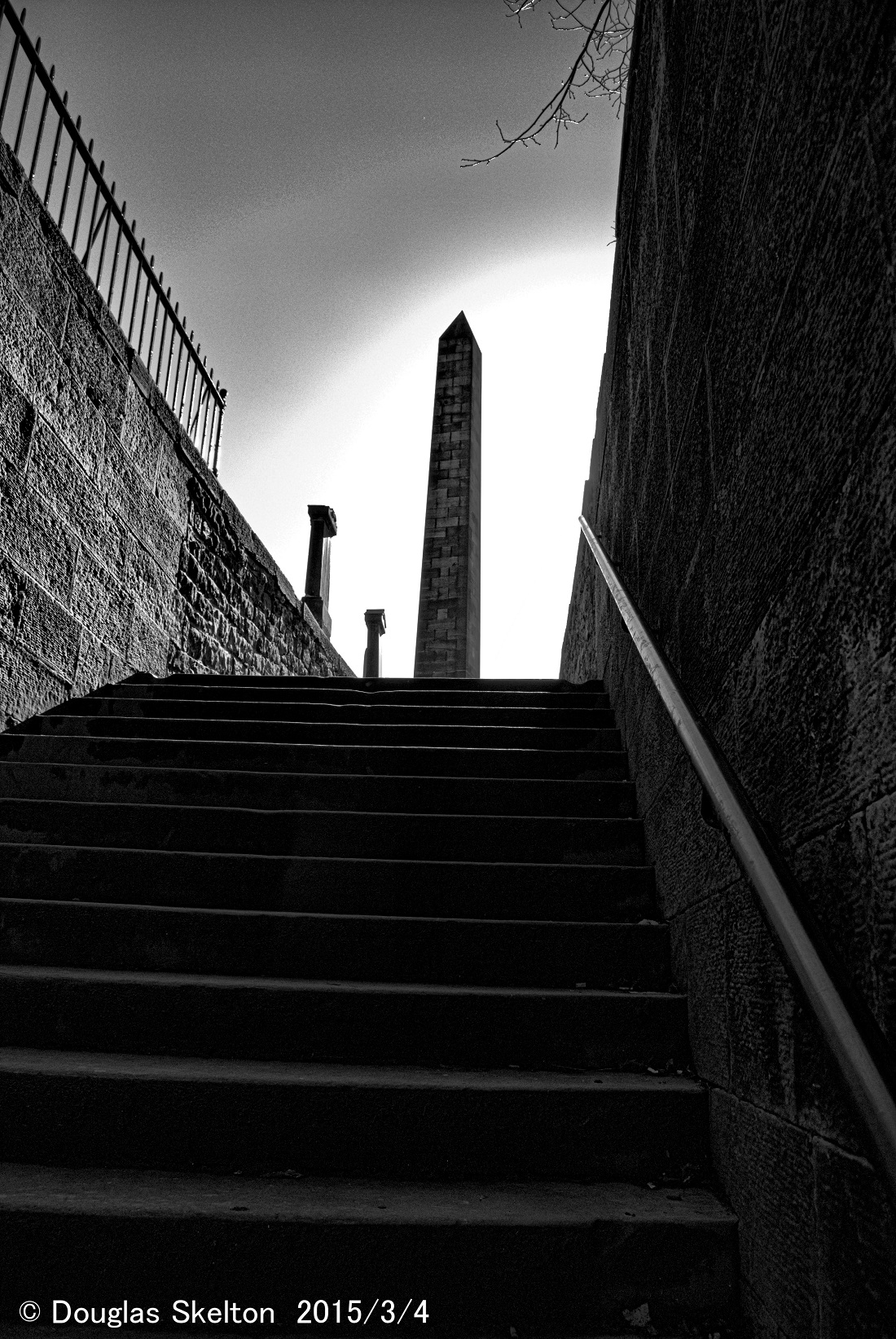
Muir and others are memorialised on a towering monument in Edinburgh’s Calton graveyard and this year marks the 250th anniversary of his birth. In these days of venal politicians, the rise of the far right, of expenses scandals, of self interest, greed and an apparent lack of any kind of compassion for the poorer in society from some, we should remember him and the other people who suffered in an attempt to bring us a fairer society.
You can find out more about him – and this year’s celebrations – here: Thomas Muir
Illustrations:
 The Edinburgh Tolbooth in the High Street
 The Martyrs Monument in Calton Graveyard

Looking forward to next Davie McCall. First two were great.