Robert Bloch.
Not a name that many people know. Some of you, certainly, but not many.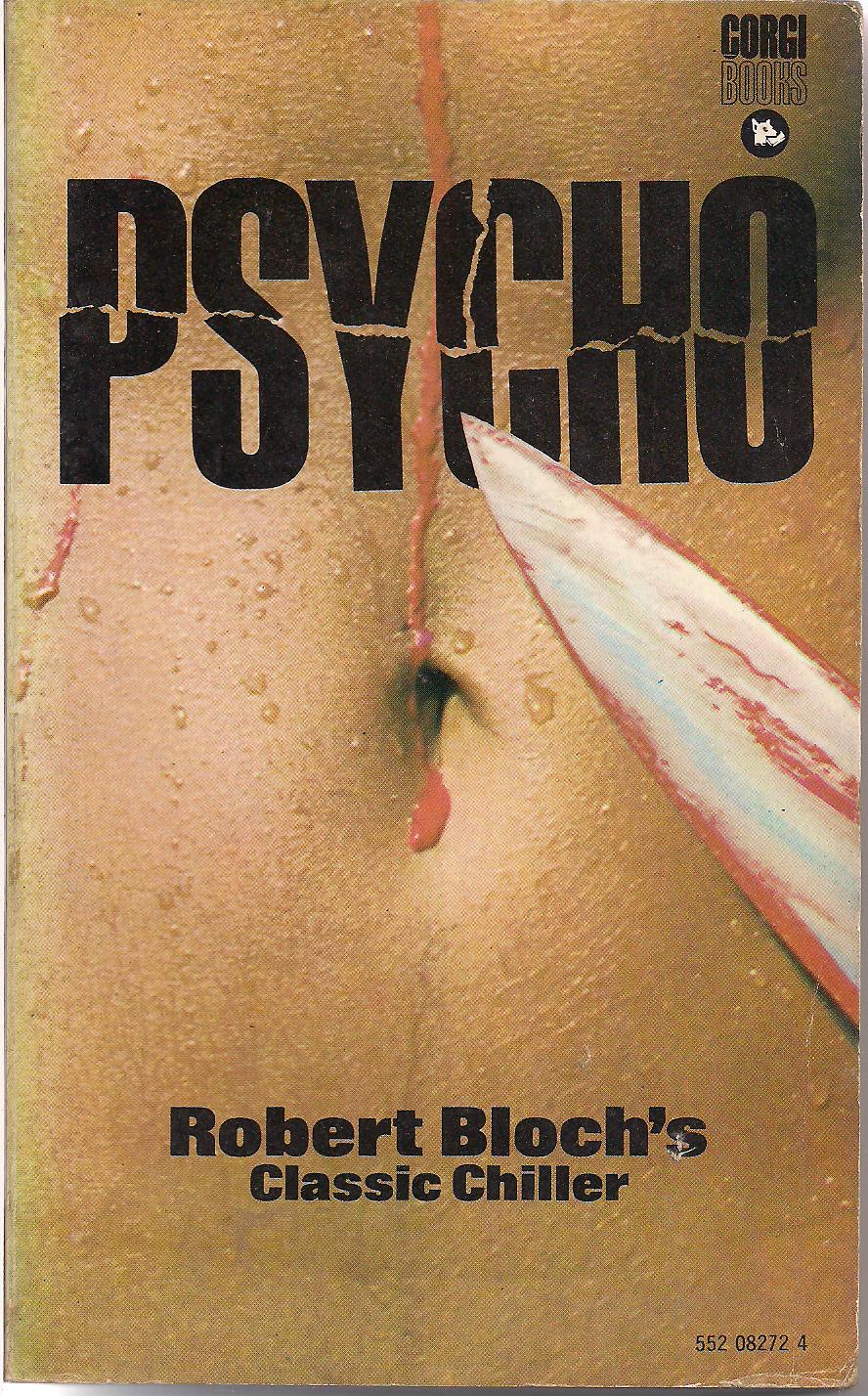
I’ll say one word to you, a title. You’ll know it.
PSYCHO.
Alfred Hitchcock comes to mind, right? Showers. Chocolate sauce circling a drain. And an orchestra screeching a series of strident notes.
Yeah, you’ve heard of that alright. But what’s that got to do with that Bloch fellow, who was born this month 98 years ago?
He created it. He didn’t write the screenplay – that was Joseph Stefano, who used the money and subsequent fame to help create the TV series ‘The Outer Limits.’ Hitchcock certainly brought his own touch to it. And Bernard Herrmann did wonders with the music, despite Hitchcock’s best efforts to thwart those screeching strings.
But Bloch wrote the original book, inspired by the true story of killer Ed Gein and, they say, a publisher of his acquaintance.
I’m not going to debate whether the book is superior to the film. It’s not, but it’s still a superb example of shock fiction. It also has created all the elements that Hitchcock turned into a cultural phenomenon – Norman Bates, the motel, the house and, of course, Mother. The book also has a mordant wit that Hitchcock must have enjoyed. That final line, about Mother not hurting a fly? Straight out of Bloch’s typewriter.
Something the book does which the film does not is fill in some of Norman’s backstory. I’ve no idea what direction the TV series ‘Bates Motel’ takes but if you want to know a bit more about what life was like for young Norman straight from his creator, check out the book.
Incidentally, ‘Psycho’ was released to screens 55 years ago this summer. Take a moment to process that. 55 years. Where the hell have they gone?
Bloch wrote considerably more than that one novel (for which he only received just over six grand for the movie rights after his publisher and agent took their cut. To be fair, no-one knew what it would become – and it was a low budget movie). He penned thirty novels, in fact, and hundreds of short stories, which were published in pulp magazines in the 30s, 50s and 50s. Ah, the pulp mags – if only they were here now!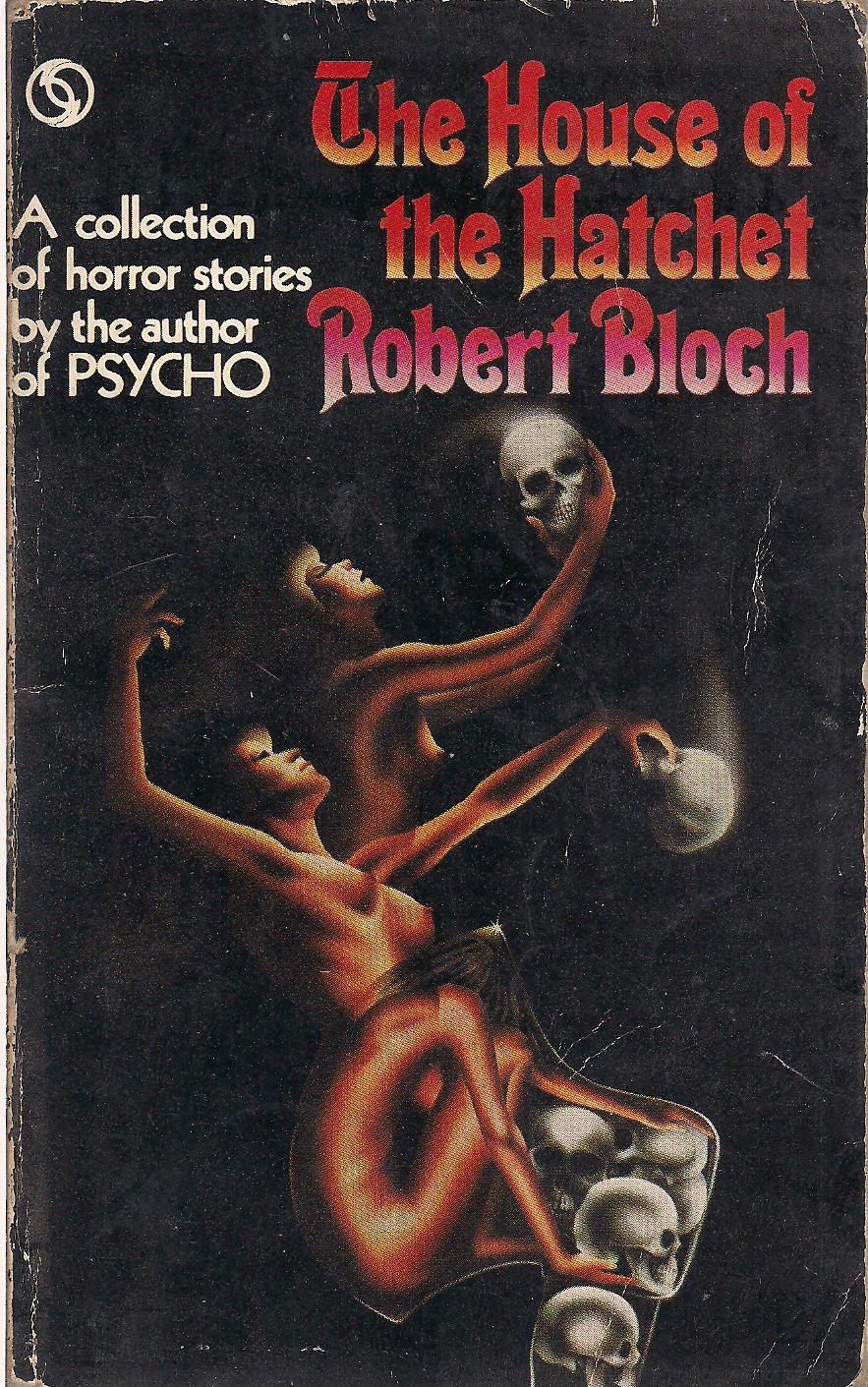
Then there were TV scripts – including three for the original Star Trek series. And movie scripts. One, for shlock producer/director William Castle, is a favourite of mine. ‘The Night Walker’ starred Barbara Stanwyck and Robert Taylor and was a rip-off of ‘Gaslight’ with an infectious score by Vic Mizzy. I’ve not seen it for years, I’m sure it’s not as good as I remember, but hey – I think that about sex, too.
In the late 60s, early 70s, he was writing for the British-based Hammer wannabe studio Amicus, scripting their portmanteau horrors ‘Torture Garden’, ‘The House That Dripped Blood’ and ‘Asylum’ as well as ‘The Deadly Bees’ (guess what that was about?) and ‘The Psychopath.’ Can’t think what that would be about.
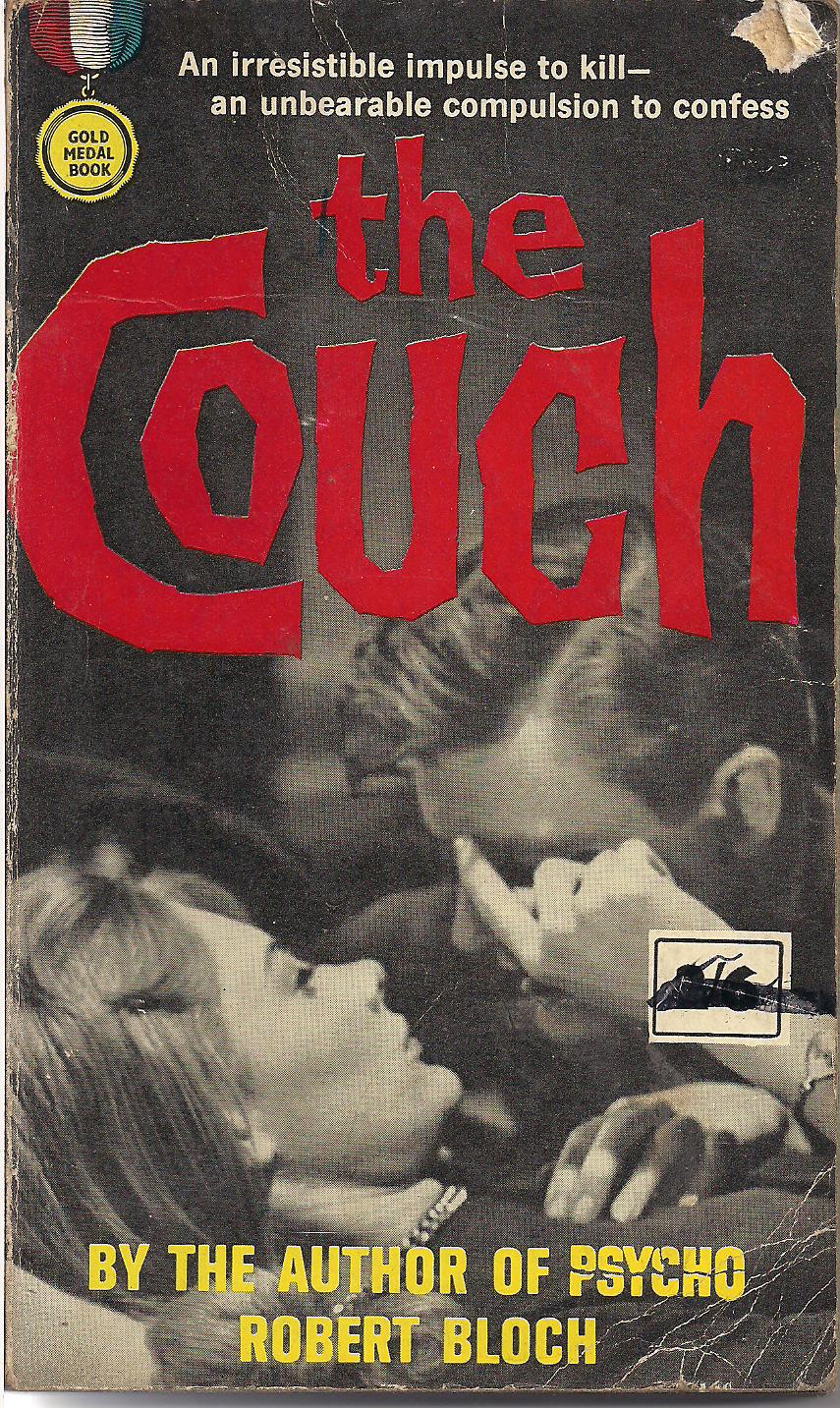
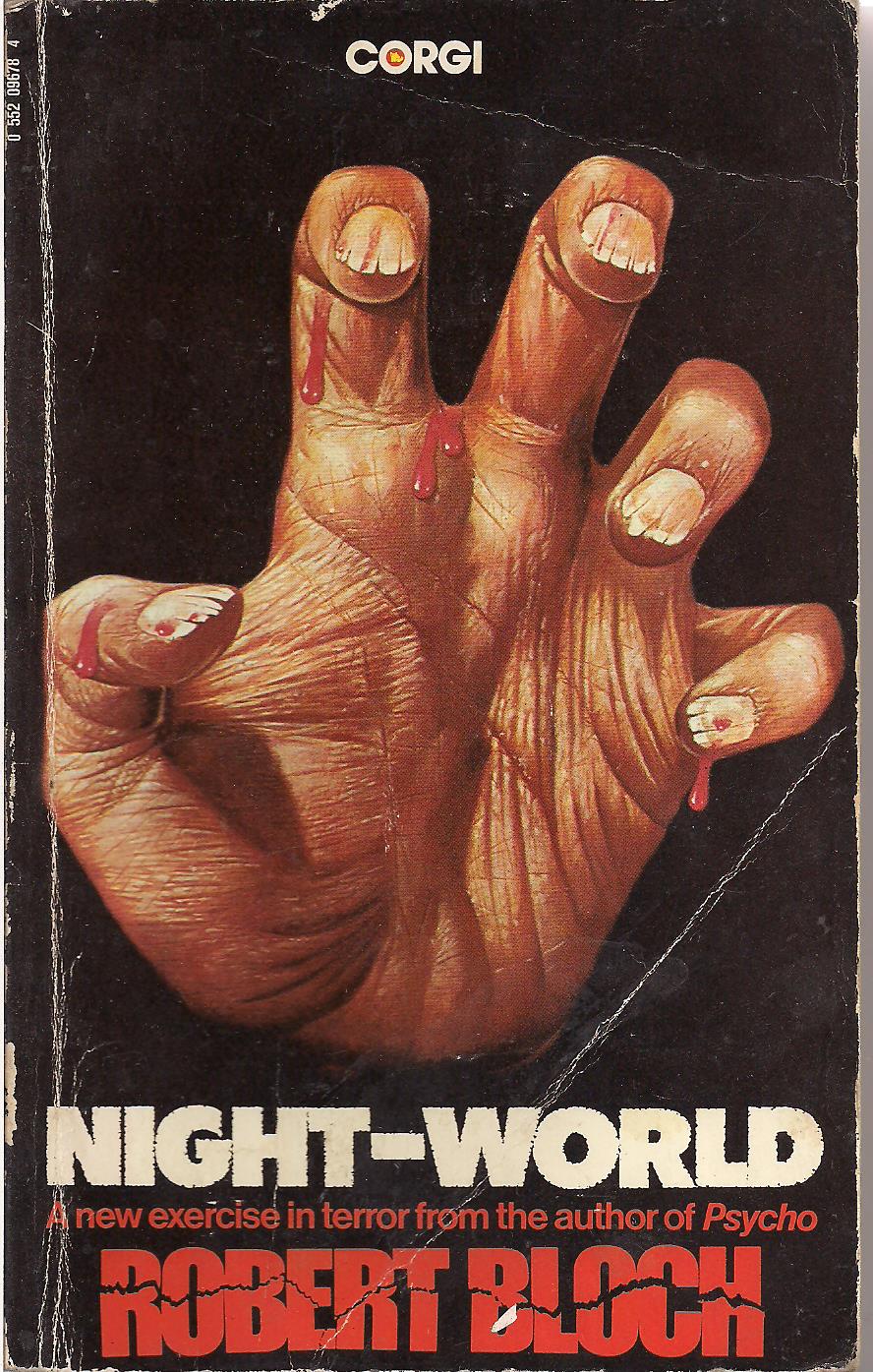
As I’ve said before, I went through a horror period in my teens. There are those who say I’m still in it but I’m talking about my taste in reading and films. Bloch was one of my hot favourites and if an anthology had one of his stories in it, I snapped it up. I still have the paperbacks of some of his own collections and a few of his novels, although my copy of his first, ‘The Scarf’, has vanished, which annoys me greatly.
His most famous short story is ‘Yours Truly, Jack the Ripper’, which has been dramatized on radio and TV and had its central idea and ultimate twist stolen by many writers since, including me when I was a lad. It began a fascination with the real-life murders that lasted throughout his professional career. One of his Star Trek scripts, ‘Wolf in the Fold’, dealt with the case while in the 70s he wrote a full-length novel ‘The Night of the Ripper.’ ‘The Scarf’ also carries passages on the Victorian murders and the earlier Springheel Jack. Bloch was never tempted to pen a non-fiction account, or, as we call it in the trade, ‘Do a Cornwell.’
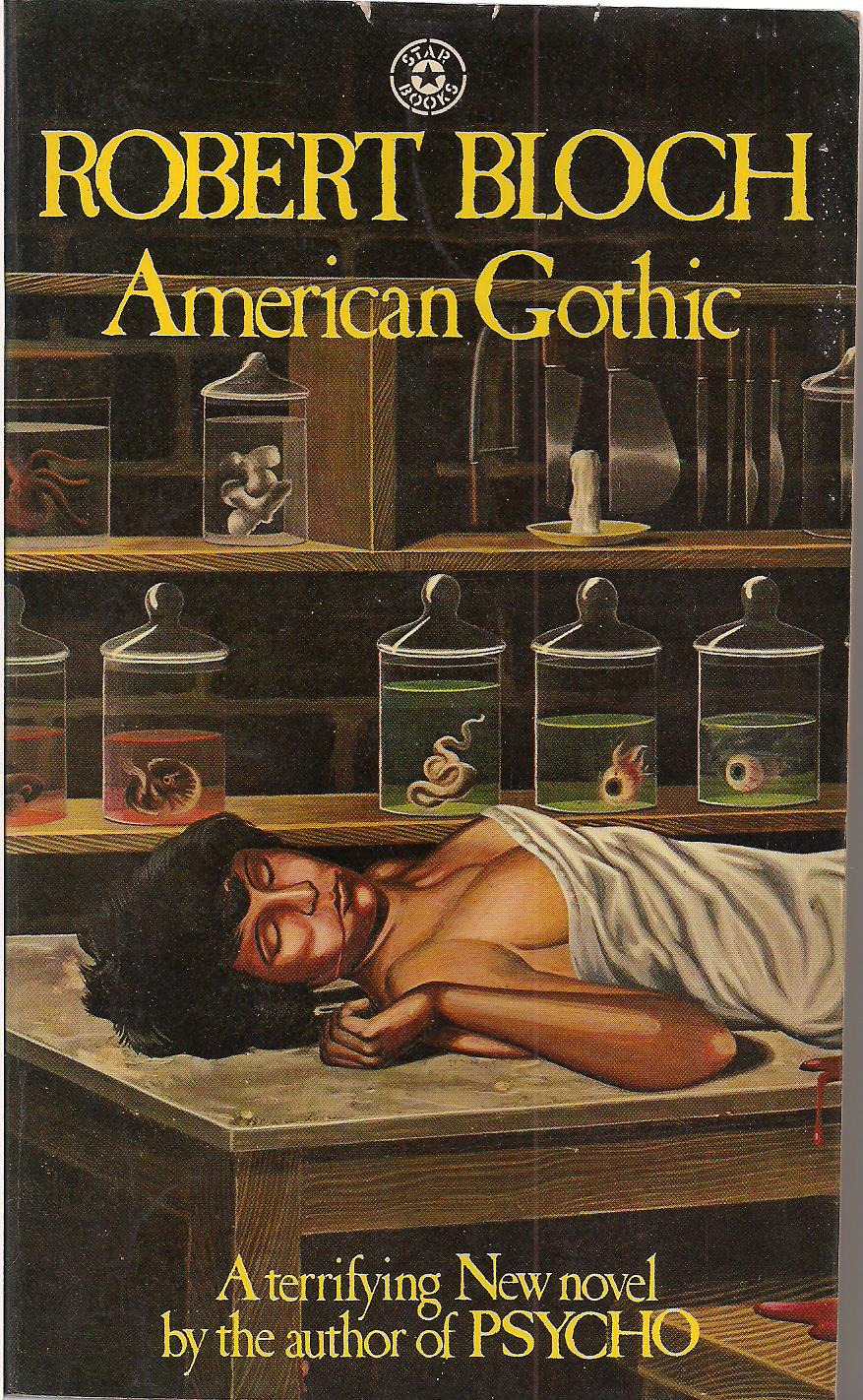 In 1974 he wrote ‘American Gothic’, another horror novel based on a real-life case, this time the Chicago serial killer HH Holmes, who had his very own murder palace in the city to which he lured unfortunates and then despatched them. He confessed to 27 murders but may have killed more. Many more. The case provided some particularly gruesome grist to Bloch’s mill and he made the most of it, although he added fictional elements and renamed the killer G Gordon Gregg.
He was a devotee of the work of HP Lovecraft and his early stories aped the creator of Cthullu, the Necronomicon and all sorts of horrors from the void. But he had a wit and easy style that Lovecraft lacked, as well as the ability to switch with ease from horror, to science fiction, to crime, to thriller. And back again. And all the while he never took himself too seriously.
I remain a huge fan, even if just for that last virtue.